
Eye
-
 Blinking keeps our eyes moist – but we actually blink way more often than we need to if that was the only reason. Scientists have now found that the involuntary action plays a bigger role than we thought, helping us process visual information.
 -
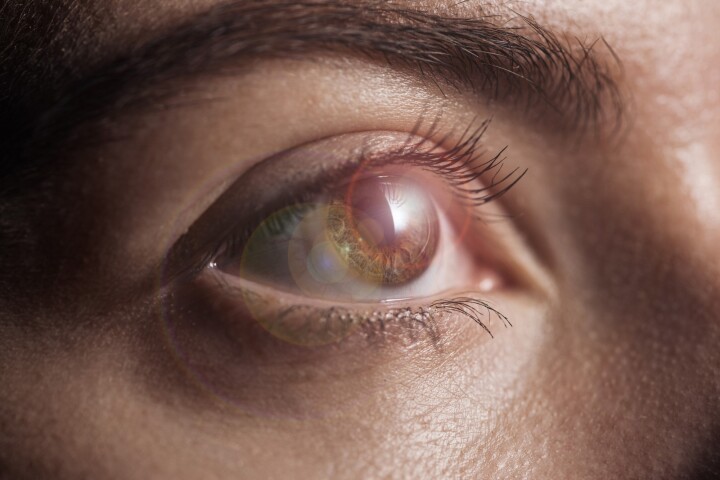 Implanting tiny solar panels into people's eyeballs may sound like science fiction, but that's exactly what a team of Australian scientists are working on. The next-gen tech could vastly improve quality of life for people with incurable eye diseases.
 -
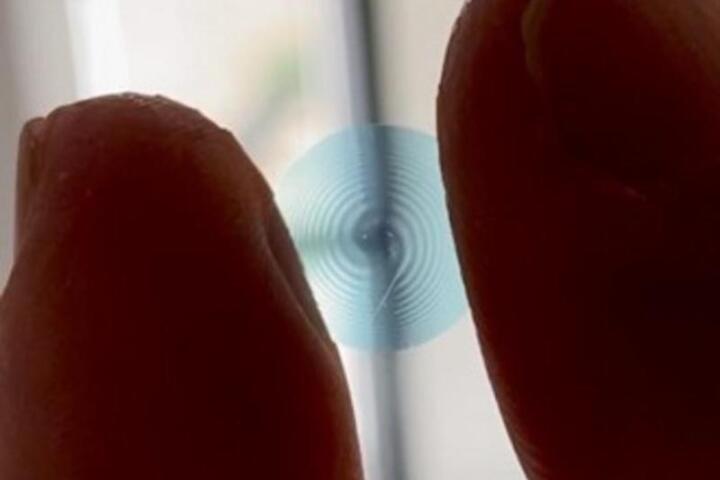 Scientists have developed a new type of lens that creates multiple focal points, which could make for glasses or contacts that provide a clearer view over a range of distances. The secret? Making the lens a spiral shape.
 -
 Researchers have identified a novel inhibitor drug that, when given to mice, prevented both eye and kidney complications commonly seen in diabetics. Further research is being done to advance the drug to clinical trials.
 -
 Back in 2018, scientists at Duke University discovered that each time our eyes move, our ears make an imperceptible squeaking noise. Now, the researchers have developed a method of telling where a person is looking by analyzing those sounds.
 -
 A huge multidisciplinary team at NYU Langone Health has successfully undertaken the world’s first whole-eye and partial-face transplant. The landmark surgery opens new possibilities for future advancements in vision therapies.
 -
 Some folk find regular monitors harsh on the eyes, and look to e-ink and RLCD screens to reduce eye strain and fatigue. Another option is the Eazeye monitor is designed to use ambient backlight, via a reflector panel behind a transmissive screen.
 -
 Swedish scientists have demonstrated a new potential way to manage diabetes, one of the most pressing health problems of our time. It turns out the eye might be a useful place to implant insulin-producing cells to control blood sugar levels.
 -
 Researchers have identified cell-specific proteins in eye fluid and used AI to determine which proteins accelerated aging in particular diseases. The technique may lead to precision treatments and more informed clinical trials.
 -
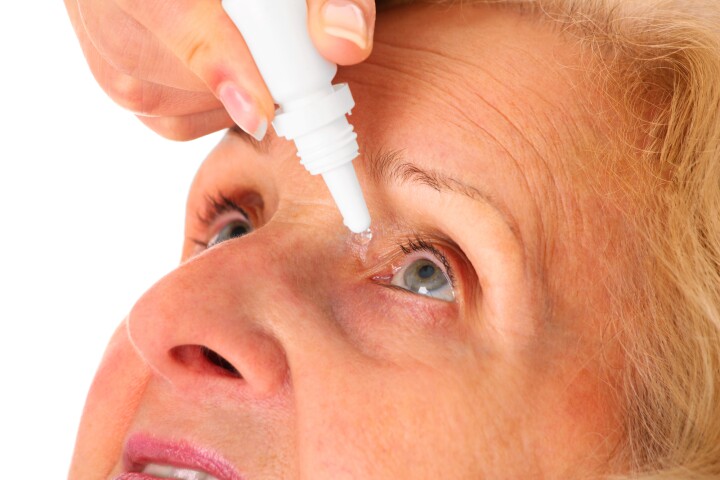 If you don't like getting needles in the arm, imagine getting them in your eyes. That's what people with wet age-related macular degeneration have to do, but thanks to new research, those injections may soon be replaced by painless eyedrops.
 -
 A new study has found a link between cigarette and e-cigarette use by adolescents and young adults and the frequency and severity of eye problems they reported. The effects were worse for those that used both cigarettes and e-cigarettes.
 -
 For the first time, scientists have identified a marker in the retina that may lead to Parkinson’s disease, and it can be detected early, which could be life-changing for those at risk of developing this or other degenerative conditions.
Load More