
Environmentally-friendly
-
 A new type of storm-resistant fish farm could make aquaculture operations more eco-friendly. The submersible structure is designed to stay in the deep waters of the open ocean, where it should have less environmental impact than shore-adjacent pens.
 -
 Limescale buildup in thermal power plants due to the use of hot water can substantially affect efficiency, prompting researchers to develop a novel soft hydrogel-based surface coating that repels limescale crystals and prevents them from adhering.
 -
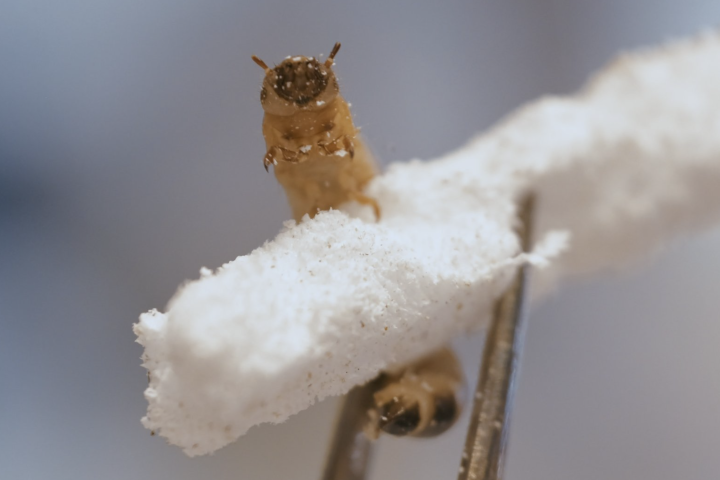 Scientists have created a lab-grown microbiome like the one found in a tiny plastics-munching worm, and it has the potential to efficiently and sustainably biodegrade the world's most common and troublesome plastics – all without the need for the worms.
 -
 Getting glue to stick in dry conditions is relatively easy, but having it maintain a bond underwater is much more difficult. That said, a new bio-based glue not only works underwater, it actually gets stronger when immersed.
 -
 Conventional breeding of trees takes time, but CRISPR gene editing should help speed things up. Now, scientists at North Carolina State University have used CRISPR to adjust the genomes of poplar trees to make them easier to turn into paper products.
 -
 Despite its many advantages, glass has one major Achilles' heel – it’s brittle. Now, engineers at Penn State have developed LionGlass, a new form that's not only 10 times more damage resistant, but requires significantly less energy to manufacture.
 -
 Traffic is among the biggest sources of air pollution, but what if the very roads they drive on could help clear the air? Engineers in Korea have now demonstrated that photocatalytic concrete can help reduce pollution in tunnels.
 -
 Knocking down a wall to create an open-plan space can be expensive. Researchers have created sustainable, moveable wooden partition walls that can be positioned right where you want them, making ‘knocking through’ a thing of the past.
 -
 Concrete is one of the largest single sources of human-induced carbon dioxide emissions. Engineers at Washington State University have now developed a new method for making concrete that absorbs more carbon than it emits.
 -
 Even though glass is praised for being fully recyclable, the EPA states that only about a third of discarded glass items actually get recycled. With that problem in mind, scientists have developed a new type of glass which is biodegradable.
 -
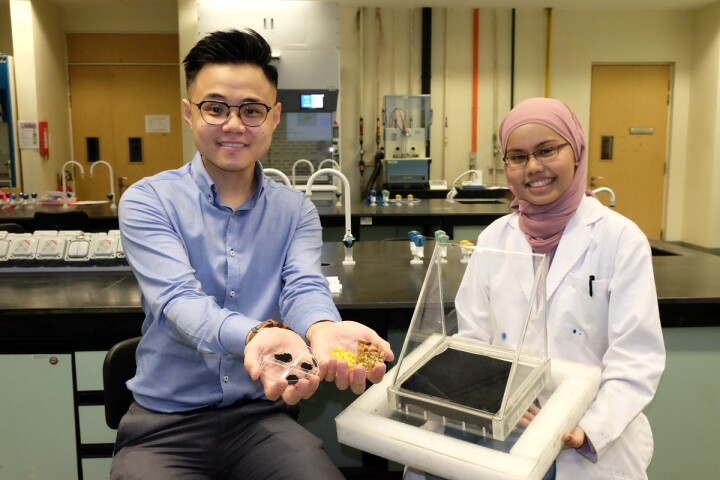 Solar stills provide a clever and simple means of purifying dirty or salty water, but they work at a rather slow rate. A new material has been shown to boost their performance, and it's made from fruit waste which would otherwise be discarded.
 -
 Plastics are made to last, which is great while they’re being used but not so great after they’re discarded. Chemists have now developed a new kind of plastic that has all the durability of regular plastic, but biodegrades within months or even days.
Load More