
Environmental
-
 The Floating Glass Museum is the stunning result of a collaboration between an international team of architects and designers who, with the support of AI, have merged tradition and innovation to envision a traveling symbol of environmental awareness.
 -
 Herbicides were once touted as ‘miracle’ chemicals, but their days may be numbered as researchers work on targeted SynComs, microbial sharp-shooters that can take out weed infestations, enrich soil and, importantly, are safe for us and the environment.
 -
 Independent analyses by NASA, NOAA, WMO, Copernicus and the UK Met Office have all confirmed that 2023 was officially the hottest year on record. A slew of other records were also broken amidst a string of severe weather events across the globe.
 -
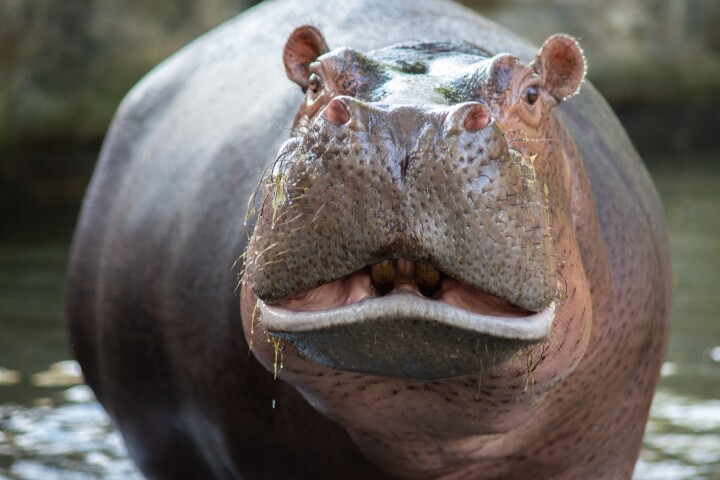 Drug lord Pablo Escobar may be long gone, however he’s still wreaking havoc on his native Colombia thanks to his escaped hippos. Scientists have now discovered there are twice as many as previously thought, and they don't know what to do about it.
 -
 Scientists have discovered that the feces of coral-biting fish is brimming with beneficial symbionts. If scientists could get stressed-out coral to take them on board, essentially a 'poop transplant,' it may help reverse some forms of coral bleaching.
 -
 Environmental modification has a flow-on effect on natural ecosystems, including the insects that carry disease. For the first time, researchers have shown how environmental change affects the transmission of insect-borne diseases.
 -
 Discarded electronics can be a gold mine – literally. Researchers have developed an efficient new way to use graphene to recover gold from electronic waste, without needing any other chemicals or energy.
 -
 In a new study, chemists claim to have found an Achilles’ heel to the ultra-stable molecules of toxic PFAS "forever chemicals." Using a relatively simple chemical reaction, the team could “decapitate” some kinds of PFAS into benign end products.
 -
 Microplastics are a major environmental problem, but a new study could help cut out a decent chunk of them. Silk could be a biodegradable replacement for microbeads and particles that are often added to cosmetics, paints and other products.
 -
 Exposure to phthalates, a chemical used to manufacture thousands of everyday products, has been linked to an increased risk of childhood cancer. The findings add to research suggesting this chemical may have various deleterious health effects in humans.
 -
 Striking new research estimates lead exposure, primarily from car exhaust in the 1960s and 1970s, has negatively affected the IQ of more than half the population of the US, and resulted in the loss of up to six IQ points in some people.
 -
 Nitrous oxide is a potent greenhouse gas – and now it looks like we may have underestimated how much is being released. A new study has identified the thawing Siberian permafrost as a huge, previously unknown source of nitrous oxide emissions.
Load More