
Environment
-
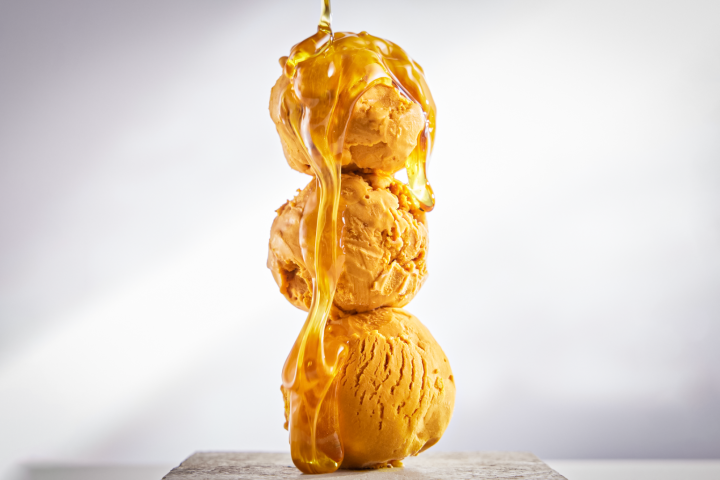 It's super-sustainable, easily made and nutrient-dense. And it puts all other food production to shame. Now, the first air-protein factory is open. It's the food of the future, and soon a $100 million industry – but will you be putting it on your plate?
 -
 Sales of vinyl records have been on the rise for a few years now, but the plastic used to create them is bad news for the enviro-conscious listener. A UK startup is hoping to change that by pressing for plant-based alternatives.
 -
 Korean scientists have taken muscle and fat stem cells from cows and transplanted them into grains of rice. The end result is a new, high-protein food that should be cheap, environmentally friendly, and useful for famines, military or space travel.
 -
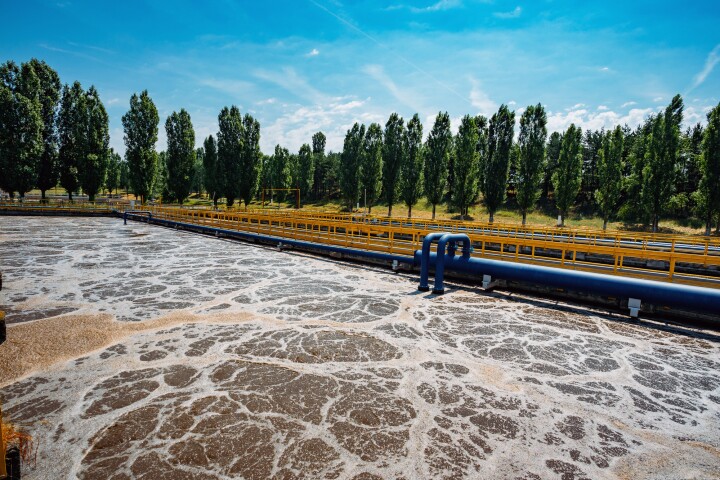 Researchers have developed a simplified, sustainable method of converting sewage sludge from wastewater treatment into high-value activated carbon that can be used in a wide range of industrial and residential applications.
 -
 Swiss researchers are working on an environmental monitoring robot named Avocado that's been inspired by abseiling spiders. The fruit-shaped bot uses a winch and rotors to lower itself through the canopy and gather data on life in the treetops.
 -
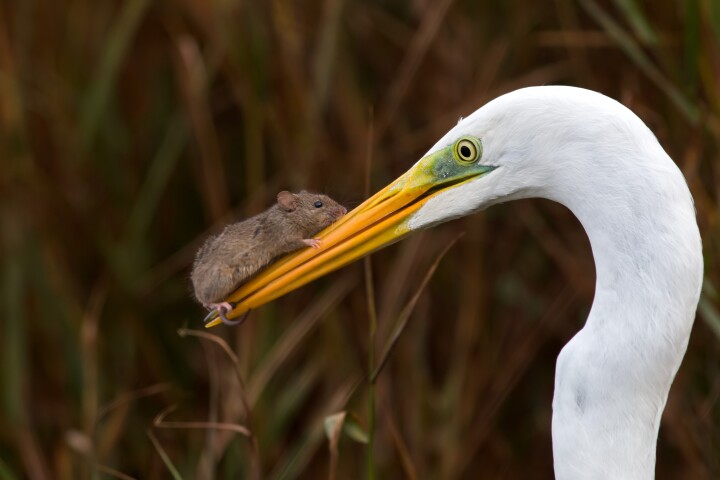 A new photography competition has released its first batch of winners and finalists. A portrait of a playful sea lion has won the inaugural Nature Photography Contest, which showcases animals, plants, landscapes and human impact on the environment.
 -
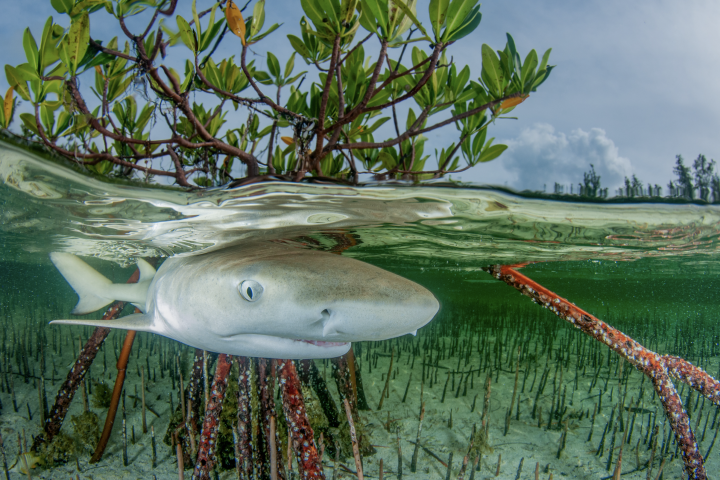 Every year, countless stunning images are submitted to photography competitions around the world. From cosmic structures to microscopic marvels and everything in between, here is a snapshot of the most awe-inspiring photographs of 2023.
 -
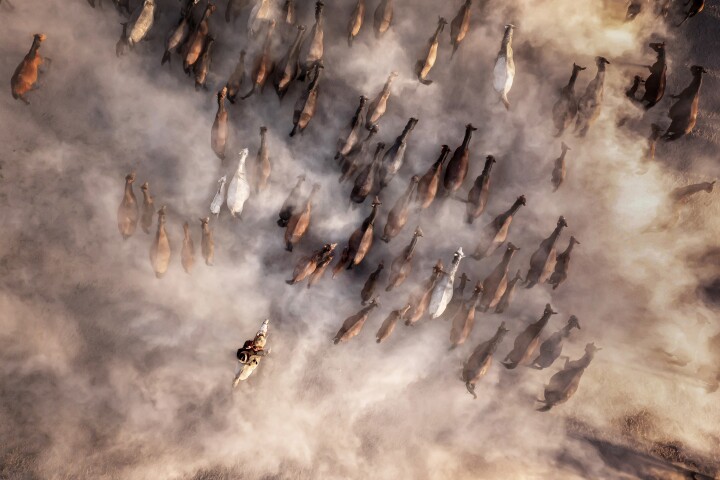 Photo contests offer a window to the world around us, and in this case, it's one full of grand beauty but also, increasingly of extremes. These images capture both the fight for survival and our resilience as we face life on a rapidly changing planet.
 -
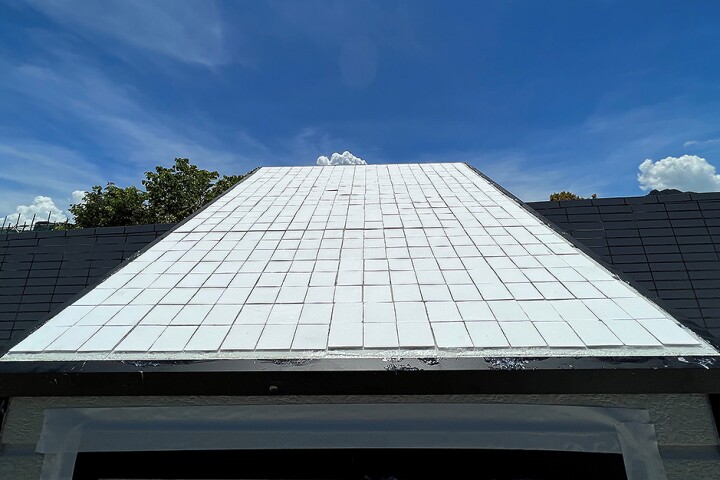 Scientists have demonstrated a new ultra-white ceramic material that drastically cools buildings, with record-high sunlight and heat reflectivity. The beetle-inspired material gets its ability from its nanostructure and should be easy to mass produce.
 -
 Mentioning Airbus doesn't usually bring the image of sea vessels to mind, but the aerospace giant has announced that it plans to replace its charter fleet that carries components across the ocean with greener, more efficient ships starting in 2026.
 -
 Mangroves may not be the first thing that comes to mind when you think of a forest, but they're both incredible, unique ecosystems and serve as a structural and water-cleaning coastguard. These photos capture the wondrous, otherworldly ecosystems.
 -
 New research has linked long-term exposure to fine particle air pollution, whether at home or work, to an increased risk of breast cancer. It adds to mounting evidence about the dangers of air pollution and highlight the need to reduce it.
Load More