
Engineering
-
 February 11 marks International Day of Women and Girls in Science. The day celebrates both the work of women across vast scientific disciplines, but also recognizes ongoing gender-based challenges. Here, we pay tribute to 11 stars of STEM today.
 -
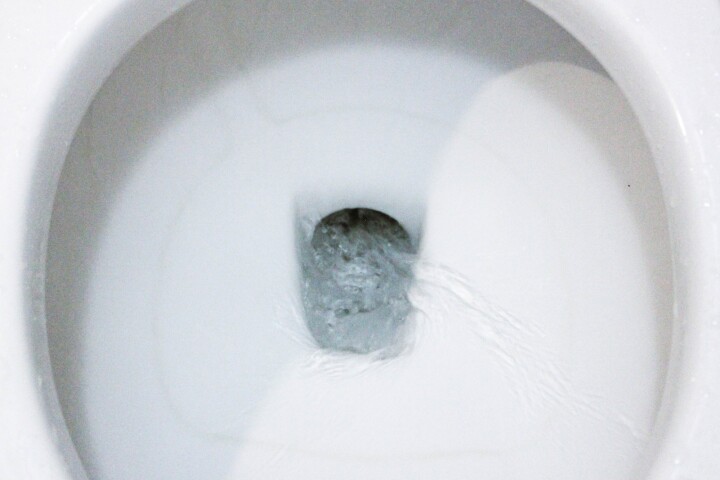 Researchers engineered a probiotic bacteria to release a marker that can be detected in the urine after it comes into contact with bowel cancer, even when it's in the early stages. The novel test may mean avoiding messy poo-based screening tests.
 -
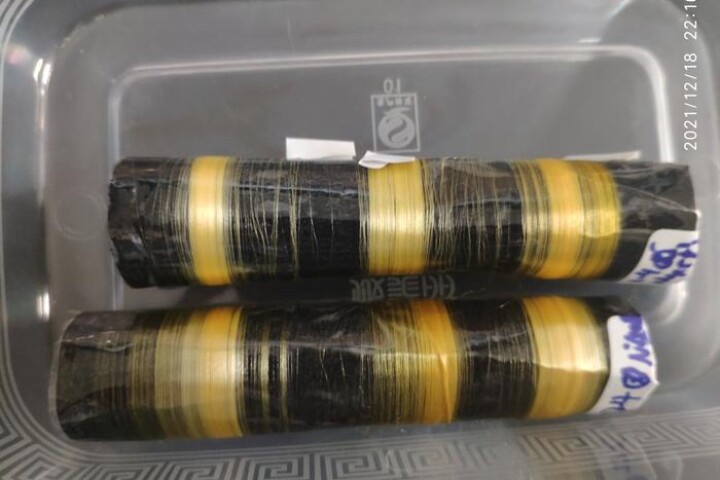 For the first time, scientists have successfully produced full-length spider silk fibers using genetically modified silkworms. This silk has the potential to provide a scalable, sustainable and better-quality alternative to current synthetic fibers.
 -
 With a slogan like “The Future is Ecclectic,” we’d expect some interesting things from INNengine, a startup based in Spain. The company is showcasing a “one-stroke” engine that works as an opposed piston with a wavy twist.
 -
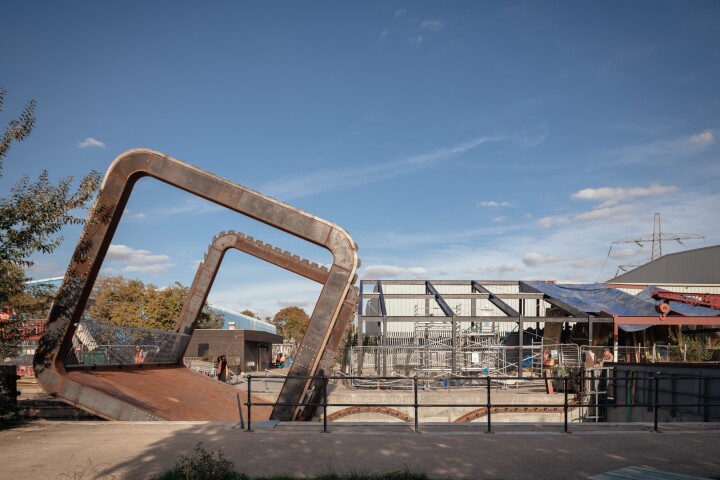 Admittedly, this footbridge isn't the easiest, nor the most practical way to get people from one side of a river to another – but it might be one of the most creative. The unique crossing rolls 180 degrees to make space for boats to pass under it.
 -
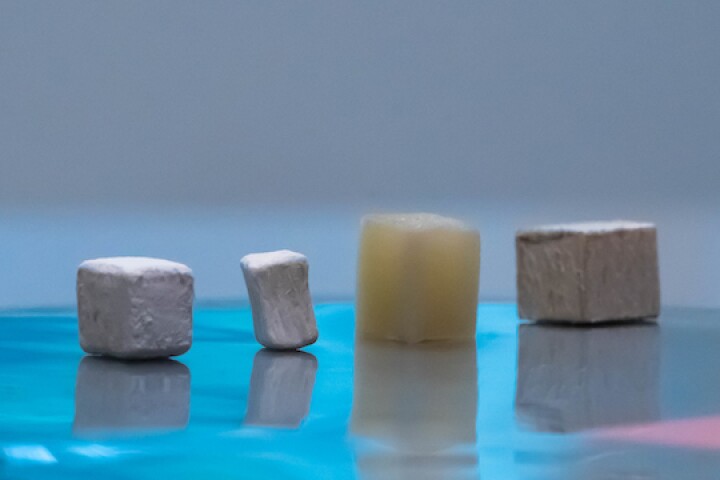 With the world focused on addressing climate change, scientists have had to get creative when it comes to developing sustainable building materials that tackle CO2 emissions. A team has now engineered wood that is stronger and traps carbon dioxide.
 -
 Blue Abyss Ltd. is building the world's largest and deepest indoor pool in Cornwall. Holding as much water as 17 Olympic-sized swimming pools, it will be used for advanced undersea robotics and as the world's first commercial astronaut training facility.
 -
 Surfaces in contact with salty water usually end up with a corrosive layer of salt caked on. Now, engineers at MIT have made these minerals so easy to remove that they often just fall off on their own – by forming “crystal critters.”
 -
 Scientists have discovered a fascinating new example of impressive teamwork among army ants, in which the insects join their bodies together to form scaffolds that stop nest mates from tumbling down steep terrain.
 -
 In anticipation of future space projects involving giant structures in orbit and on the Moon, DARPA has announced the start of its Novel Orbital and Moon Manufacturing, Materials and Mass-efficient Design (NOM4D) program.
 -
 What connects the America's Cup, a dinner in Egypt and a house with no knocker? The answer is a man called Robert, born 216 years ago today, and his ill-fated sail boat: a schooner by the name of Titania.
 -
 The Australian National Maritime Museum has installed the country's largest lightweight solar roof on its Heritage Centre. By using flexible, glass-free solar panels from SunMan Energy, buildings traditionally unsuitable for solar panels can now take part in the renewable energy revolution.
Load More