
Energy Efficient
-
 A new industrial-scale “sand battery” has been announced for Finland, packing 1 MW of power and a capacity of up to 100 MWh of thermal energy for use during those cold polar winters. The new battery will be 10 times bigger than a prior pilot plant.
 -
 Canada's Diamond Schmidt and Dutch firm MVRDV are leading a project that riffs on nature to create an energy-efficient university building that will be arranged around a light-filled atrium likened to a fissure in a boulder.
 -
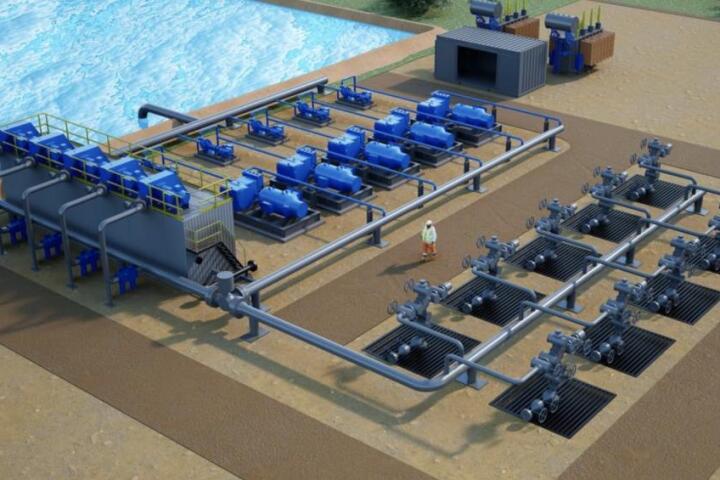 Sage Geosystems has pioneered a new form of cheap energy storage that uses the Earth as a giant bellows, pumping water into underground fractures, then letting it squirt back up at 70% efficiency – or 200% efficiency if you also harvest heat energy.
 -
 Nobody wants to live in a drafty house, yet checking for substantial air leaks within a home can be a complex process. Scientists have now devised what could be a much easier method of doing so, utilizing a technique that dates back to 1864.
 -
 A student team from TU Delft presented the latest Eco-Runner in May, a hydrogen-powered city car concept designed to be more than a hundred times more fuel-efficient than modern fossil-fuel vehicles. Now the car has set a Guinness distance record.
 -
 Solar cells are good for the environment, but they have downsides. They’re expensive to make, and there are limited ways to recycle them. But researchers have developed a new manufacturing technique that may address both of these issues.
 -
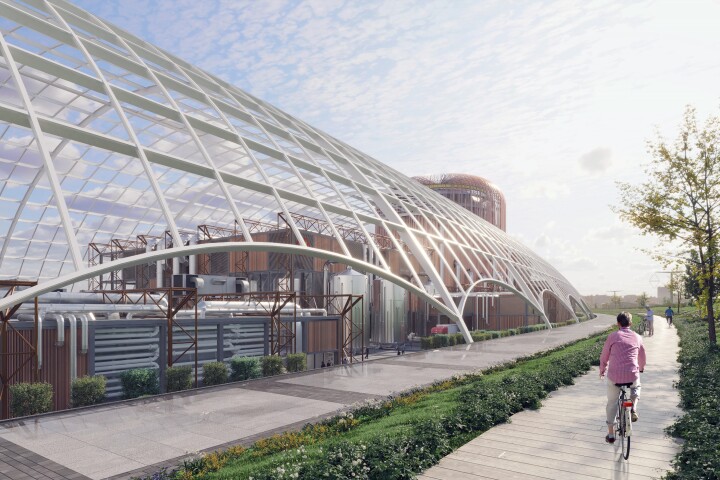 Tokamak Energy has released the first images of what its commercial fusion power plant, which it says would safely generate enough electricity to power 50,000 homes in the 2030s, would look like.
 -
 We've been following an automotive startup's journey to get its three-wheeled solar-electric vehicle on the road for more than 15 years, and now the latest teardrop-shaped Aptera prototype has made its public debut in San Diego.
 -
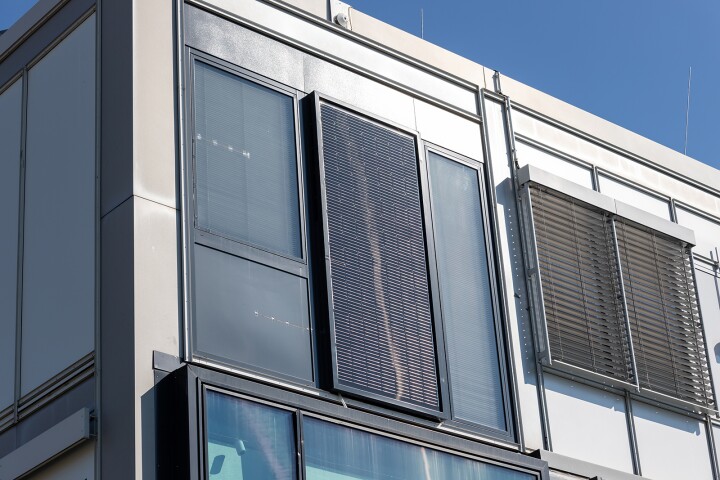 Heating and cooling buildings is a major consumer of energy, especially older ones that weren’t built with modern energy efficiencies in mind. Now Fraunhofer engineers have developed a modular solar-powered facade that can heat or cool rooms.
 -
 As we increasingly move toward renewable energy sources like wind turbines, we're going to require the best means possible of relaying electricity from them to our cities. A new cable-insulating material may allow us to do so much more efficiently.
 -
 With three square meters of solar panel on the roof, and a body so ludicrously efficient that it can squeeze up to four times as much range out of a kilowatt-hour as other EVs, the new Aptera becomes the first EV you can drive daily and never charge.
 -
 Aqualia and SEAT are teaming up to develop a sustainable fuel from wastewater. The project, known as Life Metha-morphosis, is aimed at creating a biofuel from treated organic waste, which can then be used to power CNG cars, whose CO2 emissions would be cut by up to 80 percent.
Load More