
Electricity
-
 China's Betavolt New Energy Technology has unveiled a new modular nuclear battery that uses a combination of a nickel-63 (⁶³Ni) radioactive isotope and a 4th-generation diamond semiconductor and can power a device for 50 years.
 -
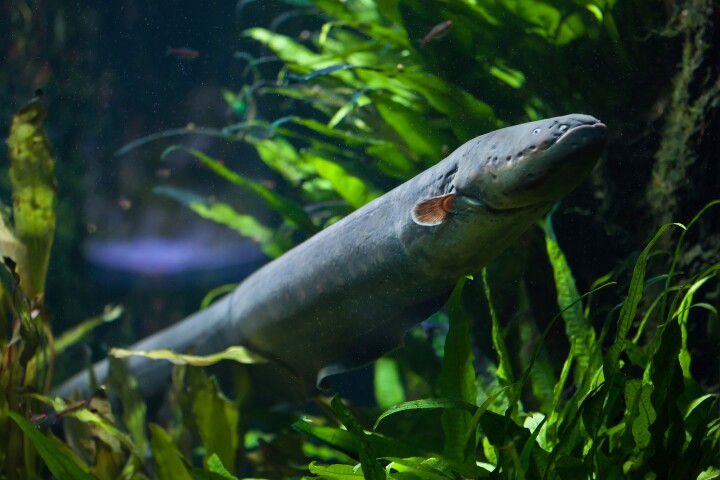 A study has found that an electric eel’s discharge is strong enough to transfer genetic material from the environment into the cells of nearby animals. The finding suggests that electric eels could affect genetic modification in nature.
 -
 Research has found that non-invasively applying a mild electrical current to the brain twice a day for six weeks improved cognitive functioning and plasticity, the ability of the brain to ‘rewire’ itself, in patients with Alzheimer’s disease.
 -
 Researchers have alloyed arsenic with phosphorus to create single-atom-thick ribbons that are highly conductive, making them ideal candidates for use in next-generation batteries, solar cells and quantum computers.
 -
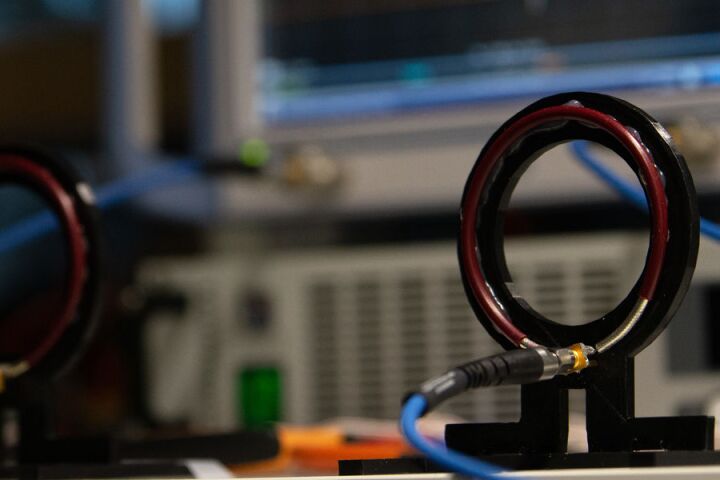 Adoption of wireless charging has been fairly slow, but it could pick up if it worked over longer distances. Now Aalto University engineers have developed a new system that can allow more efficient wireless power transmission over longer distances.
 -
 Perovskite is quickly gaining on silicon in the solar cell field, but it has one major drawback – durability. Now, a new treatment has been shown to keep perovskite solar cells working at 99% of their efficiency after 1,000 hours of use.
 -
 As anyone who's ever seen a bolt of lightning knows, the air around us can be filled with an astonishing amount of energy. A new study shows a way to harvest this power using a perforated nanofilm that can be made from a vast variety of materials.
 -
 Sleeping on a cliff face is one way to soak up the great outdoors, but most of us like a little comfort at the campsite. That's why portable power stations are such a great piece of kit. We've been putting Bluetti's latest offering to the test.
 -
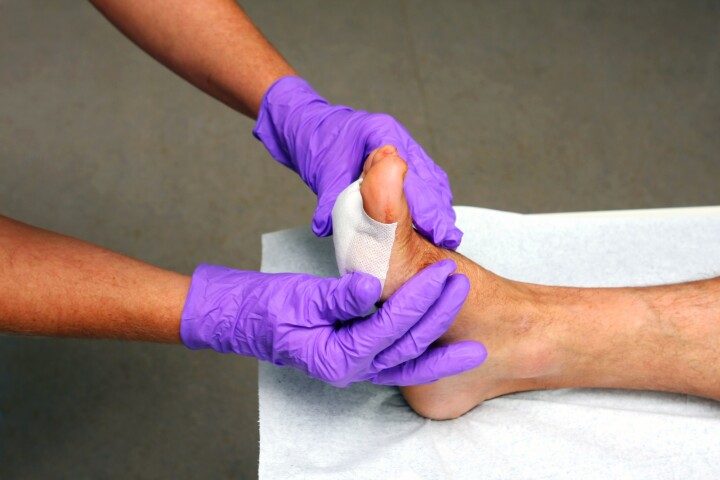 In diabetics, wounds tend to progress quickly and heal slowly. Researchers have used electricity to heal diabetic wounds three times faster, which offers great potential for treating those with diseases that lead to reduced wound healing.
 -
 UK researchers have created the first smart fabric that can change shape and color in response to two different stimuli: heat and electricity. The development opens up new possibilities in various fields, including virtual reality and robotics.
 -
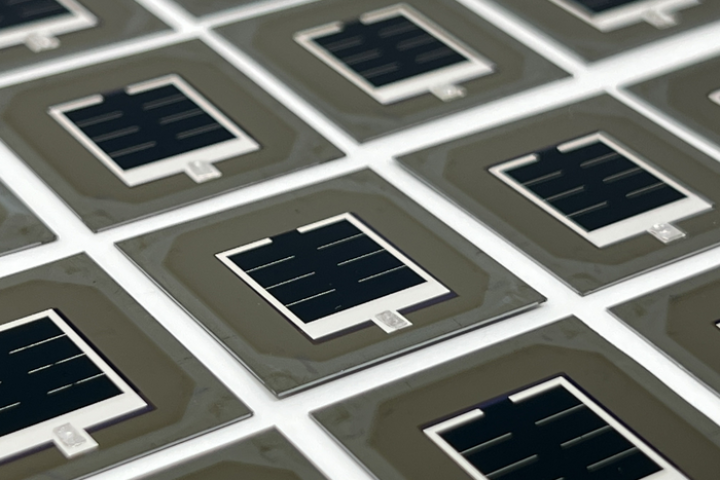 The dynamic duo of silicon and perovskite continue their rampage through the solar cell industry. Researchers at KAUST have developed a new silicon/perovskite tandem solar cell with a record-breaking efficiency.
 -
 Studying how bacteria interacts with the environment, a microbiology team discovered a powerhouse of an enzyme that consumes hydrogen and turns it into electricity. Researcher Rhys Grinter told New Atlas what the findings could mean for clean energy.
Load More