
Efficiency
-
 Solar cell efficiency may get a bump from bumps. New research suggests that building tiny domes into the surface of organic solar cells could boost their efficiency by up to two-thirds, while capturing light from a wider angle.
 -
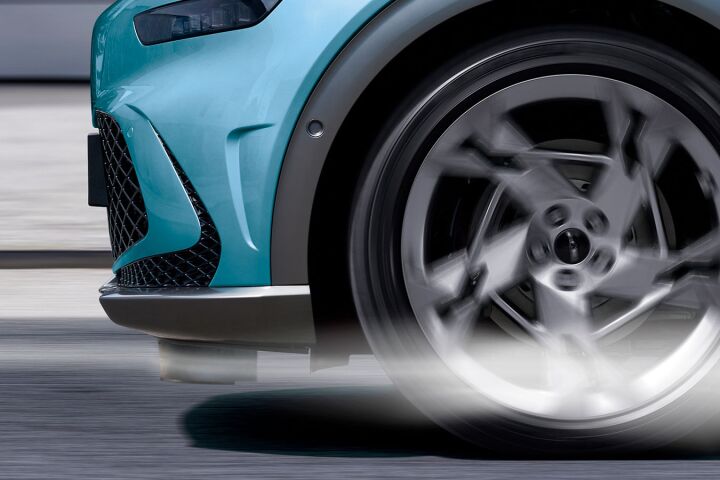 Hyundai has developed a new active aerodynamics system for electric vehicles, in the form of "active air skirts" ahead of the front wheels that can increase downforce and stability, while reducing drag and improving highway range.
 -
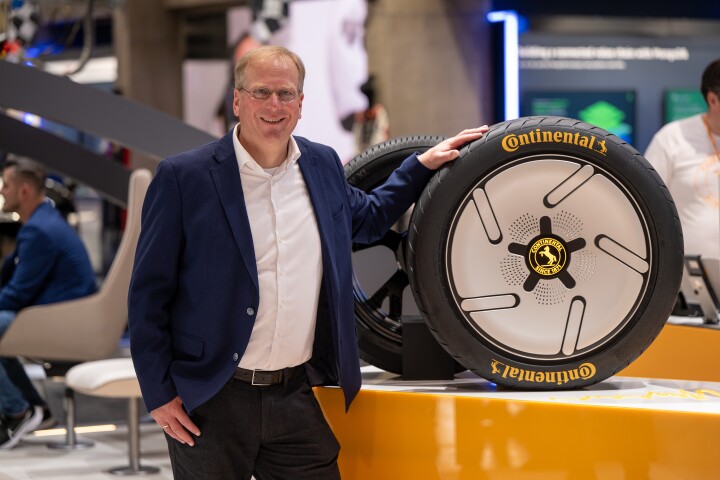 Continental has unveiled a new concept tire at the IAA Mobility show in Hanover, Germany. Called the Conti CityPlus, it takes an unusual approach to "tire efficiency," focusing on urban use rather than highway driving.
 -
 The Orbit Drive promises an ebike transmission, built into the motor housing, that lasts for thousands of miles without maintenance, boosts efficiency and range, allows regenerative braking, and comes out lighter than most ebike drive systems.
 -
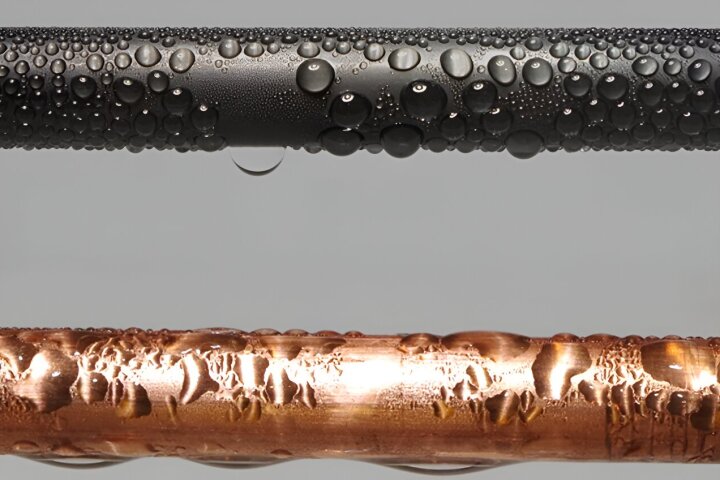 Weaning the world off fossil fuels will take time, so finding ways to make energy generation more efficient is still important. A new coating for steam condenser pipes could, if rolled out widely, add more than a Russia’s worth of extra power per year.
 -
 Perovskite is quickly gaining on silicon in the solar cell field, but it has one major drawback – durability. Now, a new treatment has been shown to keep perovskite solar cells working at 99% of their efficiency after 1,000 hours of use.
 -
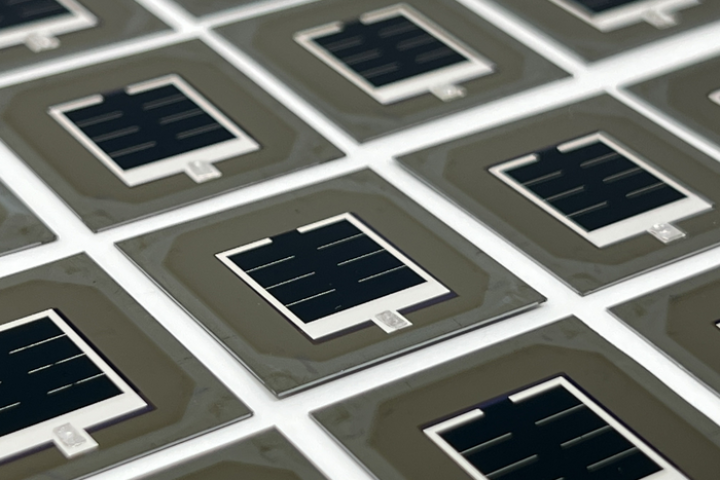 The dynamic duo of silicon and perovskite continue their rampage through the solar cell industry. Researchers at KAUST have developed a new silicon/perovskite tandem solar cell with a record-breaking efficiency.
 -
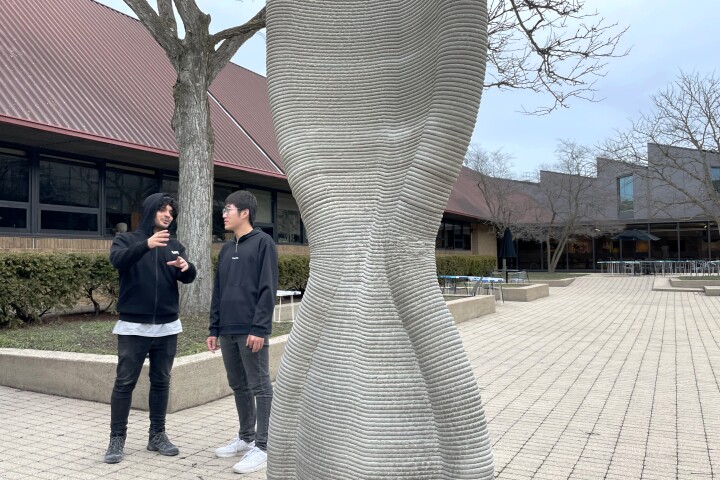 3D concrete printing (3DCP) technology is already known to offer a more efficient approach to constructing buildings. A new type of 3DCP is said to be better, resulting in walls that are a claimed 72% lighter than their conventional counterparts.
 -
 Perovskite and silicon are proving to be a formidable duo in the world of solar cells, and now they’ve hit a new record efficiency. A team at Helmholtz Zentrum Berlin (HZB) have developed solar cells with an efficiency of over 32%.
 -
 It's easy to think of shipping containers as simple metal boxes, that can't be improved. The Unit One container, however, is claimed to be lighter, stronger and more energy-efficient than others, plus it uses multiple sensors to monitor its cargo.
 -
 This wonderfully odd idea appears to have genuine potential to radically improve the power, speed, efficiency, payload capacity, range, endurance and ground footprint of a wide range of VTOL aircraft and drones. We've never seen anything quite like it.
 -
 Solar cells still have plenty of room for improvement. Researchers at New York University Tandon have now developed thin film that boosts solar cell efficiency by converting wasted wavelengths of light into ones that can produce energy.
Load More