
Disease
-
 California-based biopharmaceutical company Rubedo Life Sciences has announced that thanks to US$40 million in financial backing, it can commence human trials of its drug RLS-1469, designed to target the senescent cells that cause age-related disease.
 -
 The four spikes on a new nanocrystal developed in Spain spin up under light and move through liquid, blasting any bacteria unfortunate to be in their path. The development could spell trouble for bacteria that resists traditional drug treatments.
 -
 As common as asthma is, exactly how it starts remains murky. Scientists have now identified a new root cause, and importantly a new angle for treating the disease that can prevent the main symptoms.
 -
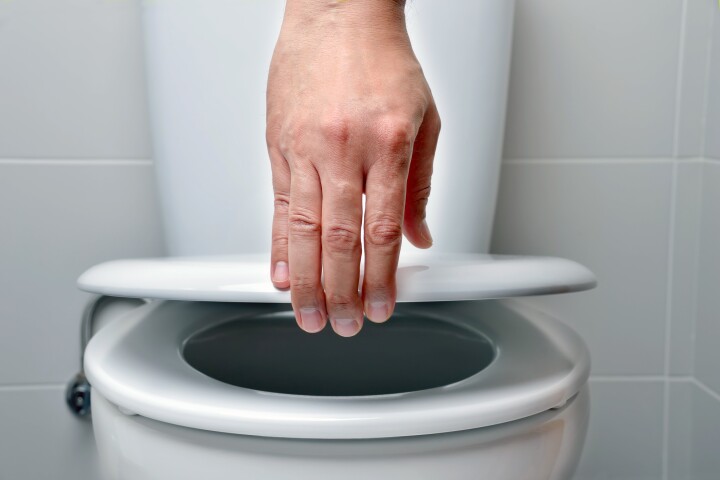 When it comes to toilet etiquette, do you put the lid down before you flush, or leave it up? A new study has shown just what happens when you leave it up – and the results might have you questioning just what you do behind closed doors.
 -
 14% of American adults are affected by chronic kidney disease – and anyone in that category should be very careful about how much watermelon they eat. A new series of case studies examines how a favorite fruit can cause life-threatening issues.
 -
 If you're trying to disperse 300,000 disease-fighting mosquitos per day, using a drone may well be your best bet for doing so. The technology has already been tested in Brazil, where it showed very promising results.
 -
 A new study may explain the variable severity of SARS-CoV-2 from person to person. Using AI-driven machine-learning researchers discovered the virus is broken down into fragments, and this debris resembles peptides that overstimulate the immune system.
 -
 Current evidence suggests many organisms will struggle to keep pace with a changing climate. However, unlucky for us, some pathogens may thrive – including, as this new study suggests, the bugs that cause the common diarrhea illness campylobacteriosis.
 -
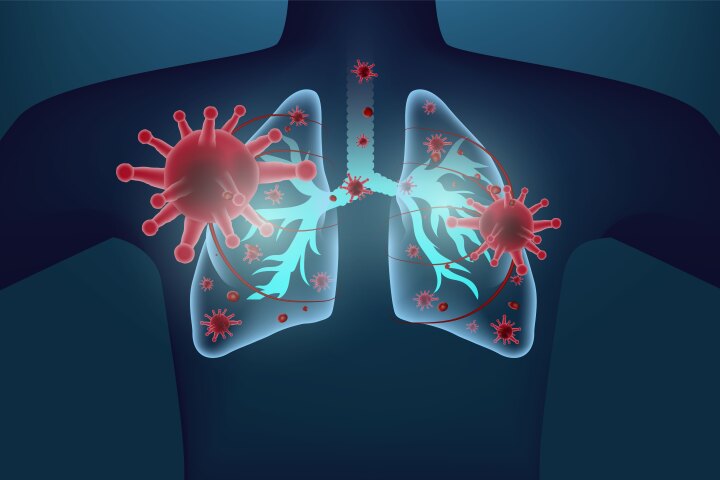 A new study has found the BA.2.86 variant of SARS-CoV-2 has a greater propensity for infecting certain lung cells than any prior Omicron variant. The research suggests BA.2.86 could potentially lead to COVID severity similar to the Delta variant.
 -
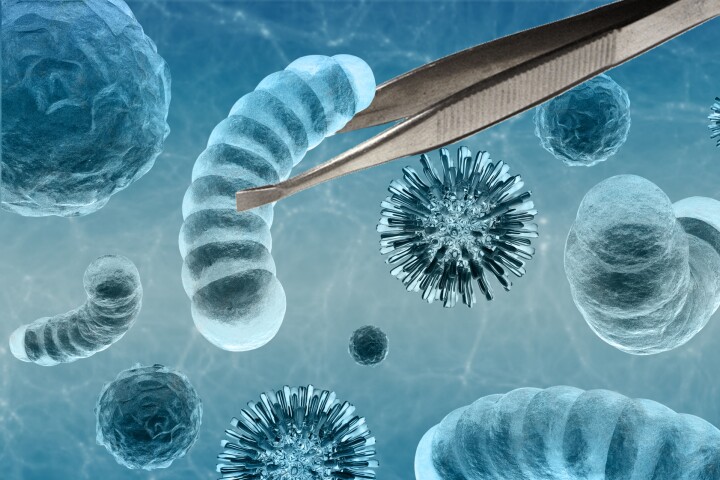 Researchers have developed a ‘smart tweezer’ that can pluck a specific bacterial strain from a microbiome of trillions and sequence its genome better than current methods allow. The tool could lead to breakthroughs in disease diagnosis and treatment.
 -
 Peptide therapeutics – like insulin – are typically restricted to administration by invasive injection. Now, researchers have reached a "major milestone", creating an oral peptide that could revolutionize how disease treatment is delivered.
 -
 In the largest study of its kind, researchers have found that sharing a childhood home with a kitty can more than double the risk of later developing schizophrenia-like disorders. However, in what may surprise some, it's not entirely the cat's fault.
Load More