
Detection
-
 The first 5G-enabled ebike has rolled into Mobile World Congress in Barcelona this week, courtesy of Long Island-based mobile device company Orbic. The fat-tire pedal-assist ride also comes with a bunch of cameras and AI crash detection.
 -
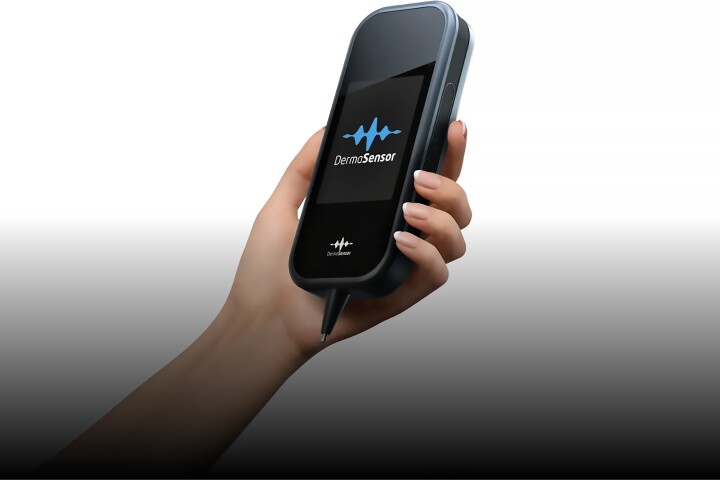 The FDA has granted clearance to the first AI-powered medical device to assist physicians in detecting all 3 common skin cancers. Providing a more accurate way of identifying skin cancer will enable patients to access necessary treatment more quickly.
 -
 When doctors want to see if someone has a certain illness, they may check the patient's blood or urine for the DNA of a specific virus or bacteria, or for a mutated version of the person's own DNA. A new device should make doing so much easier.
 -
 In order to smuggle illegal drugs into prisons, people are now soaking materials like paper and fabric in such drugs, letting the materials dry, then passing them along to inmates. A new portable device, however, sees through that ruse.
 -
 A new study found that a single radiologist screening mammograms picked up more incidents of breast cancer when supported by AI. The researchers say an AI-supported approach would be a safe alternative to having two radiologists read the scans.
 -
 If the bacteria with which someone is infected are antibiotic-resistant, physicians need to know so as soon as possible. A simple new system could help, by detecting such resistance in just two hours as opposed to the usual 24.
 -
 While metal detectors are useful for detecting land mines, they can be fooled by buried metallic debris … plus some mines don't contain any metal. A new system is claimed to work better, by reading the molecular signature of explosives used in mines.
 -
 While it's very important to track malaria infections in at-risk populations, drawing and analyzing blood samples can be problematic. A new device is designed to help, as it uses light to detect the disease within a matter of seconds.
 -
 A fascinating new study suggests trained ants could be an effective way to detect cancer in humans. The researchers demonstrated a certain species of ant can be quickly trained to detect cancerous cells with an accuracy equal to that seen in dogs.
 -
 A new type of radar can measure objects down to centimeters. The new technique uses a photonic system to generate much higher bandwidth signals, enabling radar that can detect smaller objects, and even monitor patient vital signs in hospitals.
 -
 If farmers know what sort of pest insects are present in their crops – and in what numbers – they can avoid excessive use of pesticides. The FarmSense system was created to provide that information, via a network of Smart Traps.
 -
 When someone is really intoxicated, they may not be very cooperative when told to blow into a breathalyzer. There could soon be a more passive but just as accurate alternative, though, in the form of an earmuff that measures blood alcohol levels.
Load More