
Crops
-
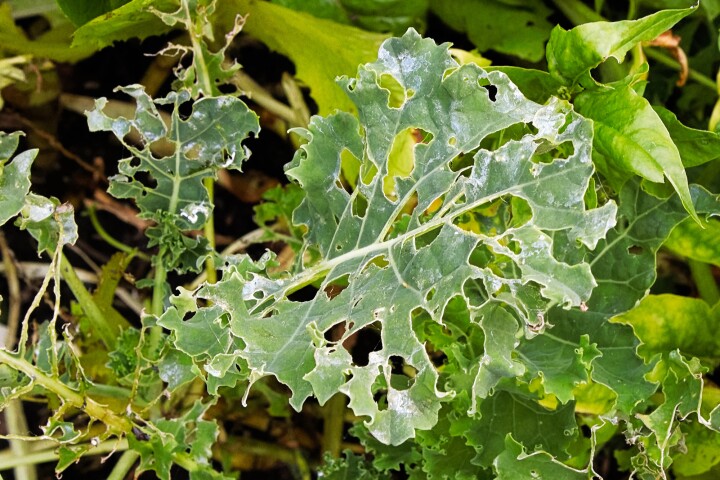 Specially tagged "sentinel plants" could soon provide an early warning of crop problems such as insect damage or bacterial infection. These plants would utilize two "glowing" sensors that react to stress-related compounds in the leaves.
 -
 A worm-filled gel has been shown to protect crops from pests, without the use of environmentally-unfriendly pesticides. Its not-so-secret ingredient is scores of tiny nematodes, which ordinarily can't survive outside of their underground habitat.
 -
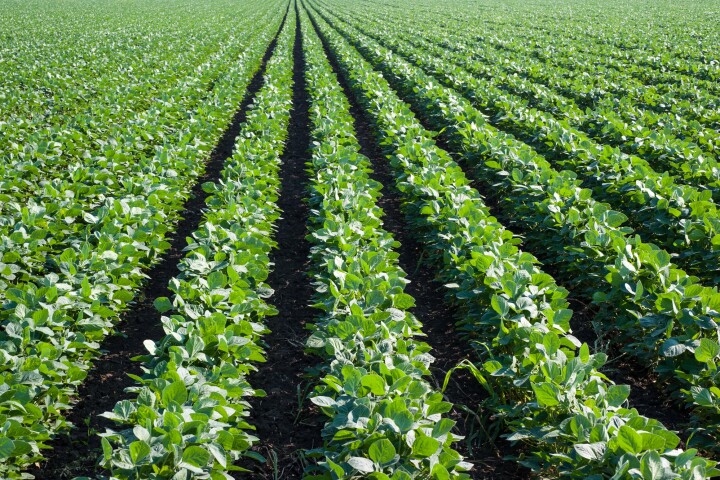 The application of crushed rock to farmers' fields may not only reduce greenhouse gases, it could also boost crop yields by up to 16%. These are the findings of a new study conducted by scientists from the University of Sheffield.
 -
 A new technique may make it easier to selectively breed crop plants for better, deeper roots. The non-destructive process involves quickly checking a plant's leaves to see how far down its roots go into the soil.
 -
 Thanks to a recent discovery regarding marine algae, scientists have developed crop plants that absorb a fuller spectrum of sunlight, resulting in better growth. The finding could also lead to increased production of biofuels.
 -
 When it comes to protecting crops via insect-blocking netting, you may think that the size of the holes in that netting is the most important factor. According to new research, however, the color of red netting makes an even bigger difference.
 -
 Herbicides were once touted as ‘miracle’ chemicals, but their days may be numbered as researchers work on targeted SynComs, microbial sharp-shooters that can take out weed infestations, enrich soil and, importantly, are safe for us and the environment.
 -
 Much as we may like sun-dried tomatoes, they're typically pretreated with sulfur dioxide or salt before the drying process, which may be carried out in an oven. By contrast, a new type of cherry tomato has been bred to dry right on the vine.
 -
 With an eye toward creating food for people with certain health conditions, scientists in Italy grew radish, pea, arugula, and Swiss chard plants, precisely controlling certain nutrients. And they did it without any soil.
 -
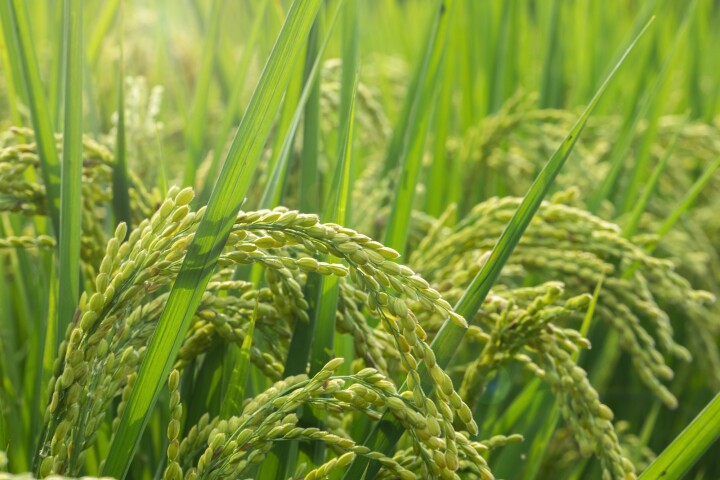 The "microbiome" is the population of microbes found in every organism. Scientists have now genetically altered that population in rice plants, making them more resistant to harmful bacteria. The technology could reduce the need for pesticides.
 -
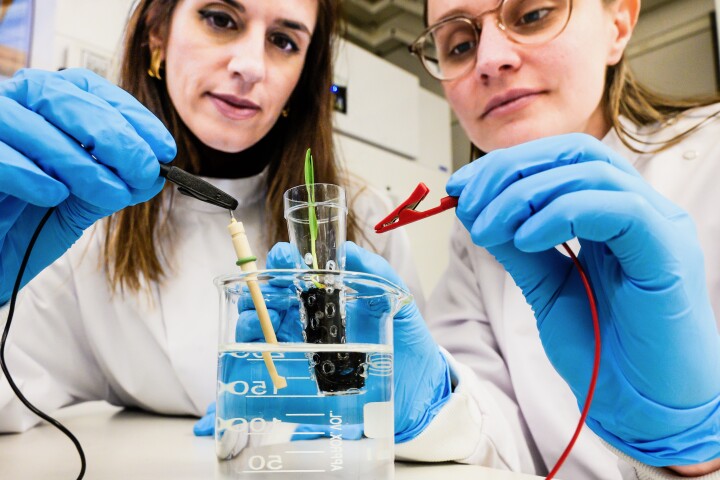 While hydroponic farms do allow a lot of plants to be grown in a small space, they would be a better alternative to traditional farms if those plants grew faster. That may soon be the case, thanks to the development of electrically conductive eSoil.
 -
 Just like any other organisms, crop-destroying soil microbes die if they get too hot. With that fact in mind, scientists have developed a new system in which soil-heating microwaves are used to kill such pests. It could one day replace pesticides.
Load More