
Crime
-
 Even if a criminal wears gloves, their cast-off DNA may still be present in a room's air. A study suggests that if such material gets sucked up by an air conditioner, it could let investigators know if a suspect has or hasn't been in a certain room.
 -
 An experimental new forensic spray allows latent fingerprints to be made visible in just 10 seconds, plus it doesn't require the use of any messy powders. What it does incorporate, however, is a glowing protein that's obtained from jellyfish.
 -
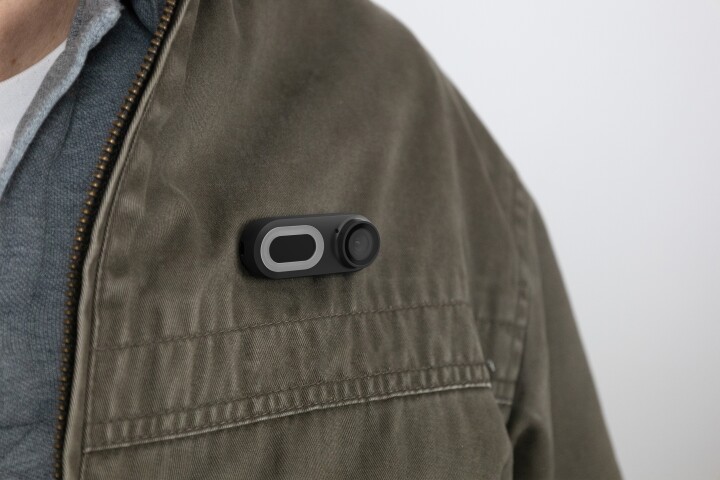 Sometimes, violent people rein in their aggressive behavior if they know they're being recorded on video. Whipping out your phone and filming them, however, may make things even worse. That's where the PhoneCam is intended to come in.
 -
 One of the more sinister functions of deepfake AI systems is the ability to replicate a person's voice, based on even just a short recording. A new software tool known as AntiFake, however, could help keep that from happening.
 -
 Although most of our clothes fold and crease with our bodies as we move, our shoes maintain the same shape and appearance pretty much all the time. With that fact in mind, scientists are now developing a method of catching criminals via shoe ID.
 -
 Lending new meaning to the phrase ‘cat burglar’, a single feline hair left at a crime scene can be traced back to an individual animal through a new method that can highlight a unique, rare genetic ‘fingerprint’. You could say it turns the cat into a rat.
 -
 With US car thefts up 25.1% since 2019, it's clear that high-tech key fob immobilizers aren't cutting the mustard. But this might: UMich researchers have created a charmingly low-tech anti-theft device that turns the whole car into a security keypad.
 -
 Even if someone's fingerprints are found on an incriminating document, that person may claim that they handled the blank paper before the criminal printed anything on it. A new technique, however, can now be used to check if that really was the case.
 -
 It's a sad fact that mass shootings have become a common occurrence in the US. Defense tech company Axon has announced what it says will be a new means of resolving such incidents quickly and relatively safely, using a drone equipped with a Taser.
 -
 When you pull your car up on a quiet street at night, do you park under a street light thinking it will dissuade a thief from breaking into your car? New research challenges that assumption, finding rates of vehicle theft drop when street lights are off.
 -
 If you hear gunshots in an urban setting, it's important to get the police to their source as quickly as possible. A new system is being developed to help, by combining autonomous drones with an existing shot-locating technology.
 -
 We've all seen episodes of CSI where the dirt on a suspect's shoes is only found in one location. While that scenario is a bit far-fetched, new research shows that soil analysis may be used to eliminate large geographical areas from police searches.
Load More