
Columbia University
-
 Even brief periods of anger caused by triggering memories can negatively impact our blood vessels' ability to relax. That's the finding of a new study that could have implications on how we look at heart attack and stroke risk.
 -
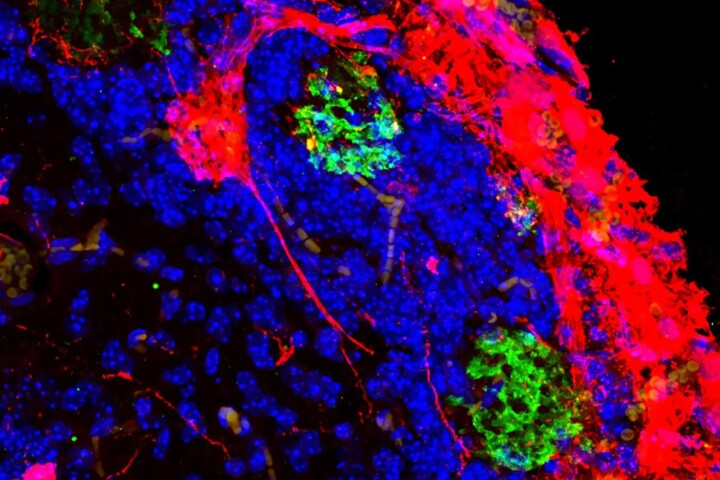 Adding rat stem cells to a mouse embryo resulted in a ‘hybrid brain’ in which the rat cells stepped in to restore function when the mouse’s sense of smell was removed. The new research represents a step forward in regenerative medicine.
 -
 A robot that senses when a human is about to smile and simultaneously responds with one of its own could represent a big step towards developing robots with enhanced communication skills more conducive to building human trust, a new study suggests.
 -
 In an effort to mitigate human-caused climate warming, scientists are focused on ways to remove carbon dioxide from the atmosphere. One of the more novel ways to do this has just been announced by scientists employing a smart dual-method process.
 -
 Researchers have revealed how regular ketamine use produces divergent changes in parts of the brain that produce the ‘feel-good’ neurotransmitter, dopamine. The discovery could have significant implications for the treatment of mental illness.
 -
 Scientists have found that a “superatomic” material is the fastest and most efficient semiconductor ever. Taking advantage of a tortoise-and-hare mechanism, the new material can transport energy much faster than silicon.
 -
 A new study has found that healthy women risk future cardiovascular disease by reducing their sleep time by as little as one-and-a-half hours a night over the long term. The finding reinforces an important message: make sure you get enough sleep.
 -
 A new study has found that people who exclusively use marijuana have higher levels of potentially dangerous metals in their blood and urine than those who don’t, suggesting the drug may be an overlooked source of metal exposure.
 -
 We all know fruit and vegetables are good for our overall health. But in a first-of-its-kind multi-year study, researchers have shown that flavanols found in these foods are tied to brain function, and a deficiency may drive age-related memory loss.
 -
 By removing certain amino acids from the diets fed to rodents suffering from glioblastoma, researchers found that brain cancer cells began dying. What's more, mice put on the restrictive diets were also more receptive to chemotherapy treatment.
 -
 We might soon replace our stovetops, ovens, and microwaves with 3D printers after mechanical engineers from Columbia University successfully created a cooked slice of cheesecake made from a record-breaking seven ingredients.
 -
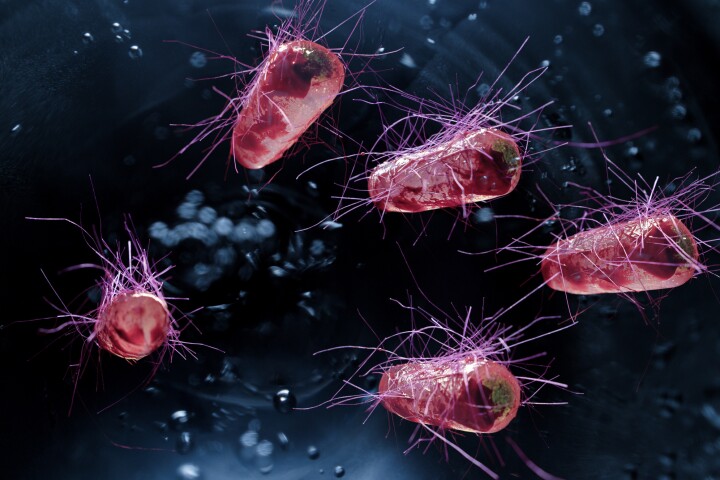 Cancer tumors are particularly adept at evading the body’s immune response, making treatment difficult. A new study has genetically engineered a common gut bacteria, enabling it to seek out and destroy cancer tumors from the inside.
Load More