
Carbon
-
 For many people who live in places that get "real" winters, barbecuing is an activity that gets put on hold once the snow flies. The Grill-X was designed with that fact in mind, as it reportedly brings a charcoal flavor to foods grilled indoors.
 -
 Researchers have developed a new, lightweight foam made from carbon nanotubes that, when used as a helmet liner, absorbed the kinetic energy caused by an impact almost 30 times better than liners currently used in US military helmets.
 -
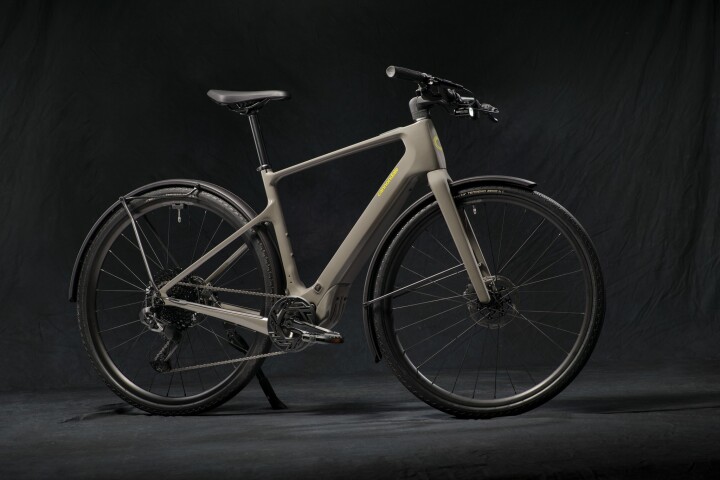 Cannondale has dissected the DNA of its Synapse road bike to create a tasty carbon-framed "commuter bike that would make a pro cyclist smile." The Tesoro Neo Carbon ebike is a Europe-only release, and rides out with Bosch power.
 -
 Our Sun is capable of terrifying outbursts – and now scientists have discovered evidence of its biggest tantrum on record. Tree rings dating back 14,000 years contain a radiocarbon spike twice as powerful as the previous biggest known solar storm.
 -
 The best places to search for life beyond Earth aren’t planets like Mars – they’re icy moons like Europa. The case for life on this watery world just got stronger, as the James Webb Space Telescope has detected a fresh carbon source there.
 -
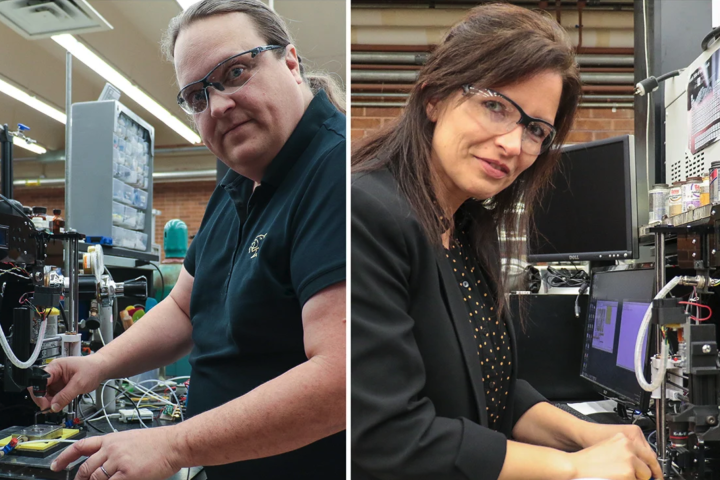 Methane has a greenhouse effect 80 times worse than carbon dioxide over a 20-year period, and emissions are skyrocketing even as we start reducing CO2. That makes UCF's new hydrocarbon-capturing, sunlight-powered catalyst a very compelling idea.
 -
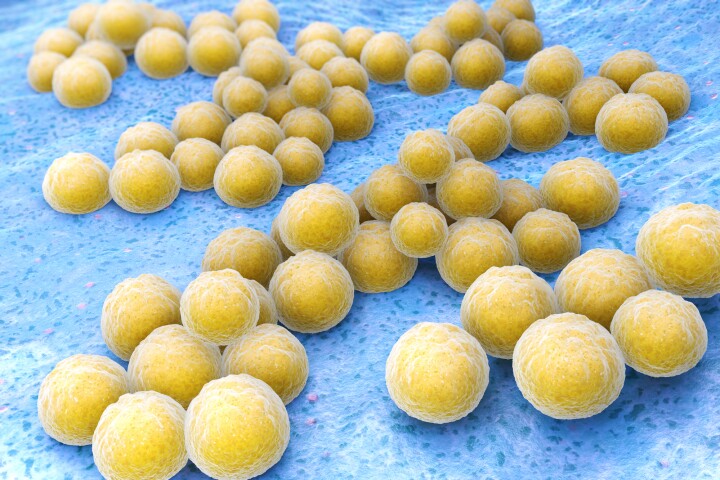 Although HEPA filters and UV lights are effective at neutralizing bacteria in hospitals, homes and other settings, they do have their drawbacks. A new light-activated material known as LumaFlo, however, is claimed to have them both beat.
 -
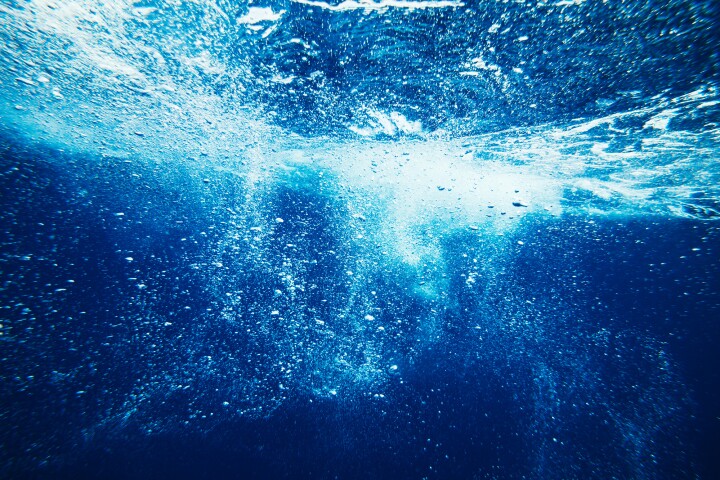 Much of the heat and carbon produced by humans is absorbed by the ocean. New research has shed light on the role that underwater waves play in moving that heat and carbon around our oceans, an important factor in predicting climate change.
 -
 Bacteria often get a bad rap, but in many cases they’re helpful little critters. Engineers have now developed a protective coating for buildings that’s loaded with bacteria, which absorb CO2 to produce a barrier against erosion by the elements.
 -
 The amount of single-use plastics the world disposed of during the pandemic continues to be a huge environmental headache. A clever new upcycling method, though, takes the trash and turns it into one increasingly lucrative piece of tech, carbon dots.
 -
 Carbon nanotubes have found use in everything from smart bandages to more efficient solar cells. Now, scientists at the University of Wisconsin-Madison have used them in a helmet lining foam that offers better impact protection than regular foams.
 -
 Life on Earth has persisted for billions of years through many extreme climate events. MIT scientists have analyzed 66 million years of climate data and found a stabilizing mechanism for global temperatures that plays out on large timescales.
Load More