
Cambridge University
-
 Scientists have uncovered the oldest fossilized forest, dating back 390 million years. The ancient forest was made up of the first trees to ever grow on Earth – bizarre “prototype” trees that had to rip their skeletons apart in order to grow.
 -
 Multiple sclerosis (MS) is a debilitating disease with few treatment options. But in a new clinical trial, scientists have tested a promising new therapy involving injections of stem cells, which seems to slow progression of the disease.
 -
 Scientists have created models of human embryos by programming stem cells. The models give a glimpse into a key stage of development that can reveal new insights into genetic disorders and preventing failure in early pregnancy.
 -
 Cambridge scientists have developed a new prototype for computer memory that could make for faster chips that could hold up to 100 times more data. The system is made up of barium bridges between films of a disordered material.
 -
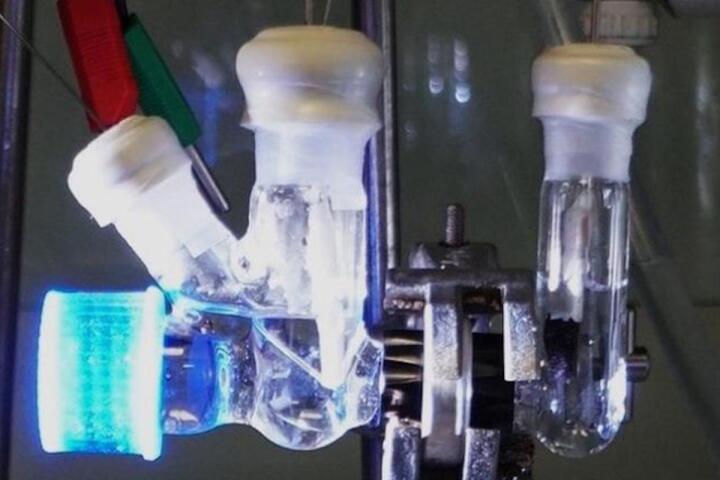 CO2 emissions and plastic waste are two major environmental problems, but a Cambridge device may help tackle both at once. The team demonstrated a new version of their solar reactor, which uses sunlight to convert CO2 and plastic into useful chemicals.
 -
 A robot cook has been trained to recreate dishes after watching videos of a human assembling meals from several ingredients, and even created one AI original. Some good news for chefs: it looks like you've got some time before AI takes your jobs too.
 -
 Scientists have discovered the fossil remains of what may be the largest penguins that ever lived. The bones, found on a beach in New Zealand, belonged to a giant bird that was more than three times the size of the biggest living penguins today.
 -
 Ice and water aren't very exciting to most of us, but they’re super strange from a scientific standpoint. Researchers have now discovered a brand new type of ice that’s described as being a true “snapshot” of water, and may be found on alien worlds.
 -
 In what sounds like sci-fi, transfusions of youthful blood can improve the health of older people. A new study has found that an existing arthritis drug can effectively rejuvenate blood stem cells, mimicking the benefits of young blood transfusions.
 -
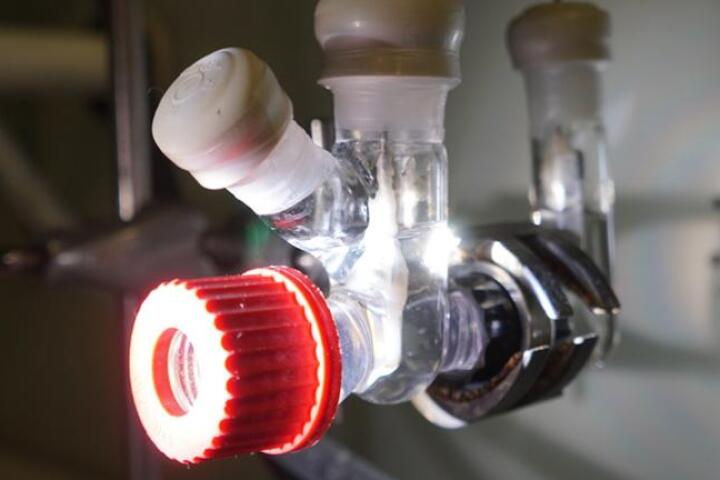 Greenhouse gases and plastic waste are two of the biggest environmental problems the world faces today. A new reactor from Cambridge tackles both at once, converting CO2 and used plastic bottles into useful materials, powered entirely by sunlight.
 -
 The record for world’s oldest surviving DNA has been shattered. An international team of scientists has discovered DNA dating back 2 million years, preserved in Ice Age sediment that captures an entire ecosystem of known – and unknown – lifeforms.
 -
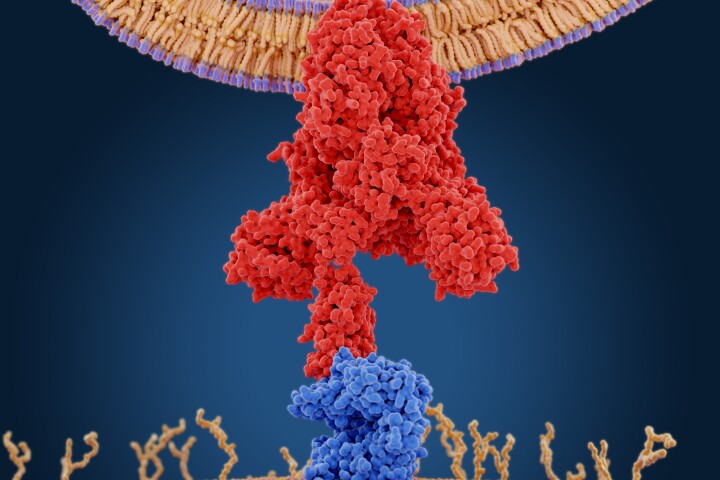 An impressive new study is pointing to a new kind of treatment to protect the vulnerable from COVID-19. The research revealed an old drug derived from bear bile and used for liver disease can block a crucial pathway used by SARS-CoV-2 to enter human cells.
Load More