
Building and Construction
-
 The Pingora tiny house features a compact interior with an "upside-down" layout that positions the bedroom downstairs and the living room upstairs. It also has a relatively affordable price tag of $89,200.
 -
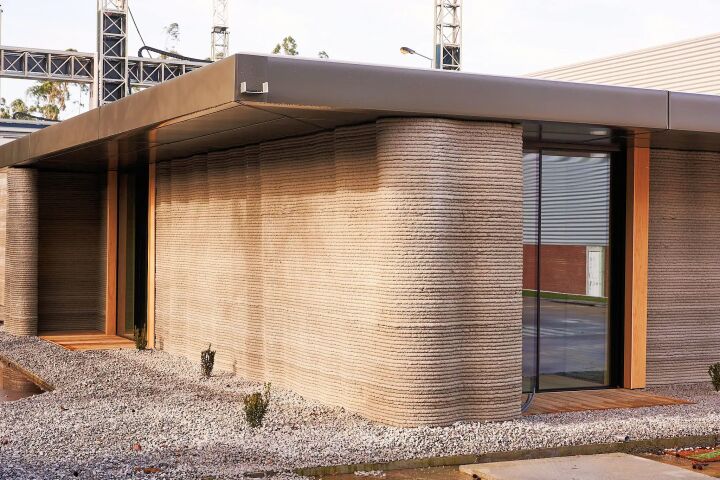 One of the big possibilities of 3D-printed architecture is that it could revolutionize affordable housing. Portugal's Havelar shows this may soon be within reach with its inaugural 3D-printed home, which took just 18 hours to print.
 -
 The Monocoque Cabin is an extraordinary tiny house that's modeled after a World War II airplane. It's defined by an eye-catching curving exterior and comes with lots of options, including its interior layout and off-the-grid capability.
 -
 BIG has revealed plans for an ambitious new timber college building that will combine cutting-edge engineered wood with traditional Japanese joinery techniques to create a striking-looking and sustainable place of learning.
 -
 Minimaliste previously impressed us with its Noyer and Noyer XL, which offer luxurious small living in all weather. The firm has now iterated on the model again with the even larger and apartment-like 2024 Noyer XL tiny house.
 -
 Officials have given the thumbs up for a new tallest skyscraper in the United States – and it's not headed for New York City or Chicago, but to a tornado-prone area with a relatively small population: Oklahoma City.
 -
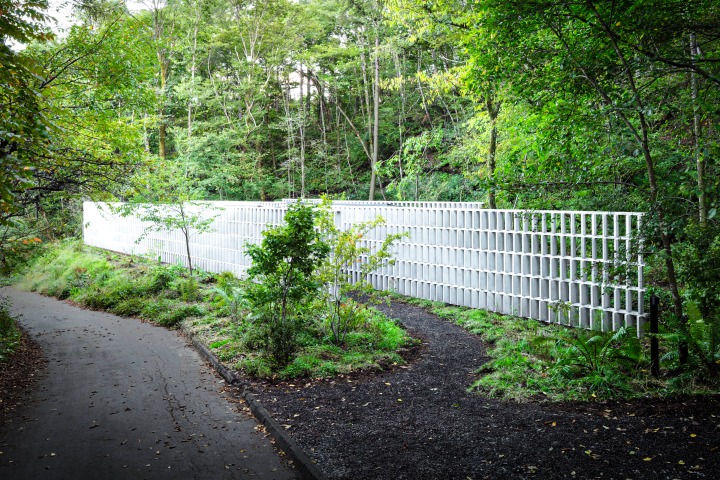 The production of concrete is a major contributor to worldwide CO2 emissions, however Nendo showcases a greener alternative with its Block-Wall House, which was part-built using a novel concrete that actually captures carbon-dioxide.
 -
 This extraordinary residence is crafted from the fuselage of a Boeing 737 and perched on the edge of a cliffside in Bali. It has received a new luxurious interior, including a bedroom with a jacuzzi in the cockpit.
 -
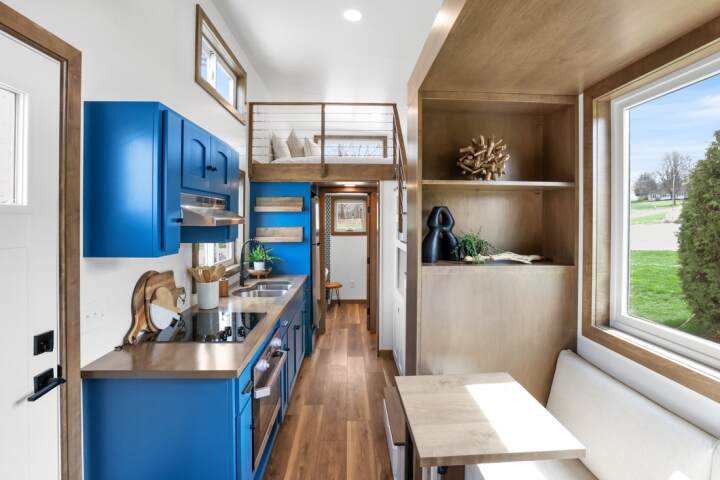 Despite its modest length of just 26 ft, the Mi Casita tiny house has a space-saving interior that fits in the kind of features we'd usually expect in a much larger model, including a bathroom with a tub and a downstairs bedroom.
 -
 Envisioned as a huge boulder rising out of a sand dune, ZJA's Silt is now complete. The extraordinary building is designed to withstand a severe beating from nature, even in the face of rising seas and extreme storms.
 -
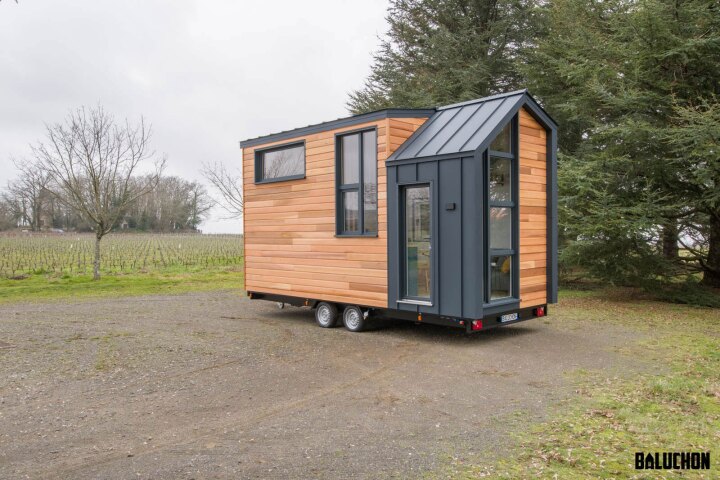 Baluchon's Sherpa tiny house features a modern exterior design that riffs on a previous model by the firm. It sleeps two people, plus a couple of guests at a pinch, and incorporates a well thought-out space-saving interior.
 -
 A new report suggests that Saudi Arabia's 170-km-long skyscraper the Line is facing a major setback. Though still an ambitious project, its initial phase will now be much more modest than originally planned.
Load More