
Brain
-
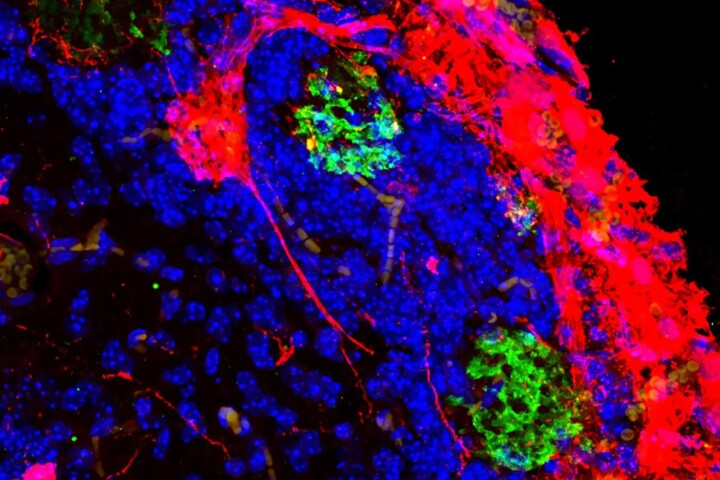 Adding rat stem cells to a mouse embryo resulted in a ‘hybrid brain’ in which the rat cells stepped in to restore function when the mouse’s sense of smell was removed. The new research represents a step forward in regenerative medicine.
 -
 Eating junk food during the crucial years of brain development impairs memory into adulthood, even when reverting to a healthy diet, new research has found. The impairment is caused by reduction in a neurotransmitter linked to Alzheimer’s disease.
 -
 The world’s most powerful MRI machine has scanned its first living human brains. The resulting images give an ultra high resolution glimpse into the brain, to help us better understand the nature of consciousness and treat neurodegenerative diseases.
 -
 In the human species, bigger brains suggest better brain health and cognitive function. And since the 1930s, our brains have been growing. Now, a new study shows how this is affecting our risk of developing dementia, particularly Alzheimer's disease.
 -
 Taking frequently prescribed contraceptive hormones for a year or more has been linked to a heightened risk of developing a serious brain tumor. One of those hormones, medroxyprogesterone acetate, is currently taken by some 74 million women worldwide.
 -
 Researchers have discovered that limiting a certain enzyme can have a dramatic impact in protecting against the effects of Alzheimer's disease. The finding could lead to a new class of drugs that fight the disease.
 -
 Imagine waking up one day and seeing every face distorted into demonic proportions. That’s reality for patients with a rare condition called prosopometamorphopsia (PMO), and a unique case study has now given us a glimpse through their eyes.
 -
 Men who golf, garden or woodwork are at higher risk of developing ALS, an incurable progressive nervous system disease, a study has found. The findings add to mounting evidence suggesting a link between ALS and exposure to environmental toxins.
 -
 A change in shape to a particular structure of neurons was found to have a significant impact on obesity in rats. Researchers believe the finding will translate to humans and could help us fight our own middle-aged bulges one day.
 -
 If someone you know has gone through chemotherapy, you might be familiar with the side effect 'chemo brain.' Scientists have now demonstrated a simple way to protect brain cells from damage using flashing lights and sounds at a certain frequency.
 -
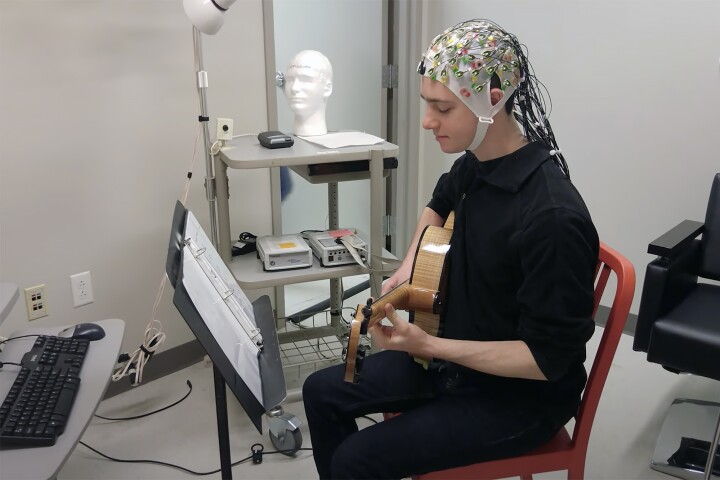 Analyzing the brain waves of improvising jazz musicians, researchers now understand how the brain achieves a creative flow state. The findings have practical implications for anyone wanting to get ‘in the zone’ to generate creative ideas.
 -
 Even mild cases of COVID cause significant, measurable cognitive deficits compared to those never infected with the virus, according to one of the largest studies of its type. COVID brain fog is real, and it can sap up to six IQ points for at least a year.
Load More