
Bioluminescence
-
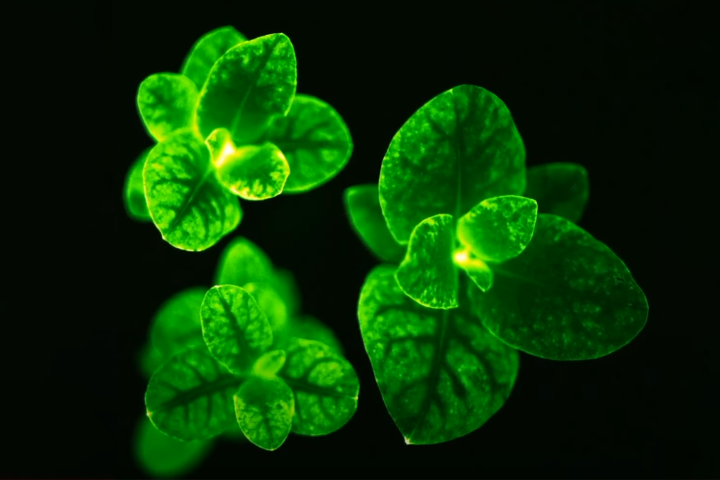 The USDA has approved Light Bio's "Firefly Petunias," and the company is taking US$29 pre-orders on these remarkable gene-edited houseplants. They glow in the dark, making them a captivating home decor addition for science buffs.
 -
 While bioluminescent mushrooms certainly are fascinating, getting the things to grow in your home can be challenging. Thanks to a new study, however, it may soon be possible to buy glowing versions of otherwise-conventional easily grown plants.
 -
 In the body, mRNA molecules are in charge of instructing cells to produce specific proteins, and hijacking this natural system is emerging as a promising new way to treat a wide variety of illnesses. A new inhalable mRNA aerosol could be a potential new treatment for cystic fibrosis or lung cancer.
 -
 Art and technology have always been fundamentally intertwined, with new techniques and materials allowing artists to innovate and create new works. In this edition of our ongoing series looking at different forms of technological art, we examine the controversial and compelling arena of BioArt.
 -
 ScienceThere’s nothing like a good shit show to bring in the tourists. The Shit Museum, or Museo della Merda, is a research and data-collection institute set in a medieval castle in Northern Italy that houses documents and information on excrement in culture, technology, science and history.
 -
 ScienceIf you want to thrive in the ocean depths then it certainly doesn't hurt to have some tricks up your sleeve. Scientists have discovered two species of fish that can expand an internal organ to shine a light from their bellies, a tool they believe might be used to communicate with their relatives.
 -
 Swiss researchers at the École polytechnique fédérale de Lausanne (EPLF) have manipulated luciferase, the enzyme that makes fireflies glow, to signal the finding of a target molecule. The new method can make disease diagnosis earlier, cheaper and more accessible.
 -
 The need to minimize the energy we use need not necessarily impact adversely on the form or function of a device. This premise is elegantly demonstrated by Ambio, a "bacterial lamp" created by designer Teresa van Dongen. Ambio merges sleek design with a soft glow created by bioluminescence.
 -
 ScienceEver thought the glowing forests from the movie Avatar were pretty cool and wanted one yourself? Bioglow is the latest company to attempt to put such autoluminscent plants in homes with its aptly named Starlight Avatar.
 -
 Yonder Biology is aiming to help teach children about biology with its latest mixture of art and science. The Dino Pet is a clear plastic dinosaur filled with bioluminescent algae that glow in the dark, so acts as night light as well as a fun learning tool.
 -
 The Glowing Plants Kickstarter project offers you a chance have your own bioluminescent plant and be a part of the growing DIY bio movement.
 -
 ScienceFireflies have inspired new technology that allows LED bulbs to emit over 50 percent more light.
Load More