
Behavior
-
 Engaging in activities that are designed to blow off steam when you’re angry probably isn’t going to be effective at reducing your anger, researchers have found. It’s better, they say, to try activities that decrease your physical arousal.
 -
 For the first time ever, a lone orca has been observed killing and eating a great white shark. Although orcas were already known to hunt great whites in packs or pairs, one had never been seen going solo before. The finding suggests the emergence of a new hunting strategy.
 -
 Despite how cute 2001's Finding Nemo's clownfish was, these colorful animals have a dark side. Scientists have found that they will 'count' another clownfish's white stripes, and will viciously attack any visitor that happens to look just like them.
 -
 We've all heard "to follow one's nose" when it comes to trusting your gut. Now, scientists have found that the brain does exactly this, when previously unknown decision-making time cells fire up and evoke a rapid physical response to certain smells.
 -
 A fascinating study has found that sniffing female tears significantly reduced male aggression and decreased activity in aggression-related brain networks. It’s suggested that the effect, which is also seen in rodents, serves a protective function.
 -
 Male serotine bats living in a Dutch church attic have been captured on camera engaging in marathon sessions of non-penetrative sex, while armed with a heart-shaped penis that's seven times longer than the female's vagina. Yes, this is a true story.
 -
 For the first time, scientists have found how our internal body clocks that govern the brain and skeletal system sync up, and upsetting this balance might contribute to injury and accelerate age-related bone and joint decline and disease.
 -
 A new study is offering one of the largest portraits to date of global smartphone use. Surveying thousands of people across nearly 200 countries the study found unexpected use patterns that challenge our current definitions for smartphone addiction.
 -
 A new study is shaking up the world of evolutionary biology by offering some of the first evidence of menopause in a wild, non-human primate population. The findings complicate pre-existing ideas around the evolutionary function of menopause.
 -
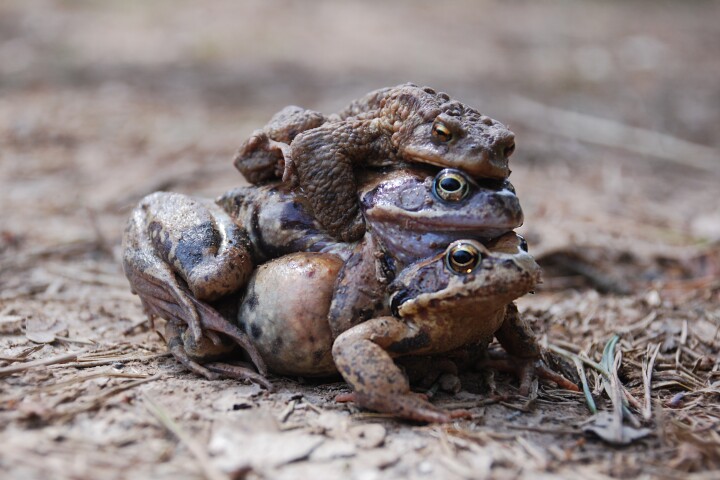 During the European frog's 'explosive breeding' sessions, it's not uncommon to see multiple males pile on a single female. Now, they're fighting back, performing some Oscar-worthy acting to convince their pushy mates that the coupling is a dead end.
 -
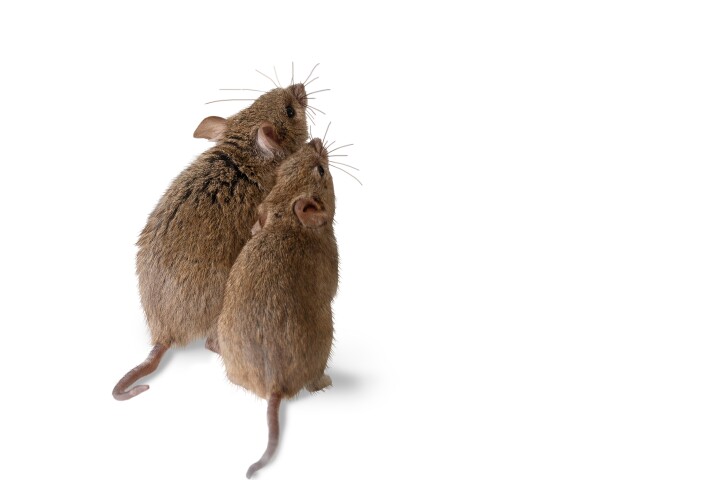 Believe it or not, male sexual desire actually begins in the brain. Scientists have found the neural circuit that triggers mating behaviors and the ensuing pleasure and reward feedback in mice. They hope it can lead to new drugs to treat dysfunction.
 -
 As coral reefs become increasingly decimated, predatory fish have fewer places to hide when stalking prey. A new study now suggests they're adapting, by using other fish as mobile hunting blinds.
Load More