
Autonomous
-
 Penguins are fast, fantastic swimmers, so why not make an underwater robot inspired by them? That's just what German underwater tech company EvoLogics has done, with its new-and-improved Quadroin AUV (autonomous underwater vehicle).
 -
 Back in January, researchers showed off the kitchen skills of an open-source Aloha housekeeping robot. Now the Unleashed project gets to grips with knotting shoelaces, hanging shirts and even repairing other robots.
 -
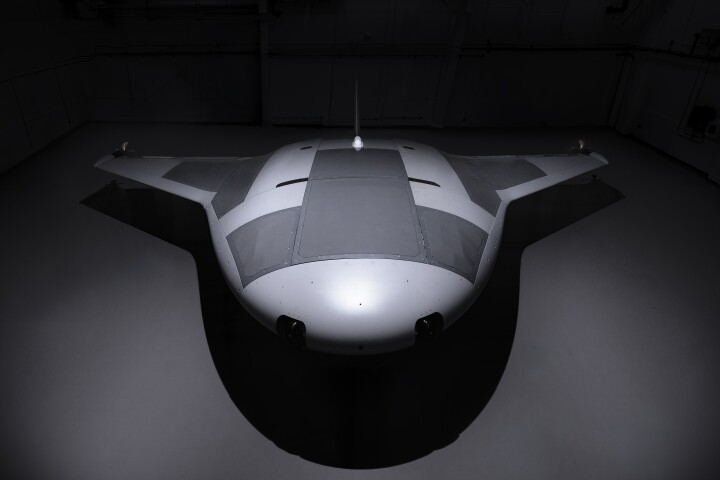 Northrop Grumman introduces its first completed prototype Manta Ray Uncrewed Underwater Vehicle that it is developing for DARPA. The extra-large submarine glider is designed to carry out long-range undersea missions without human assistance.
 -
 Hyundai and Kia are gunning for office mailroom jobs with the introduction of the DAL-e Delivery robot, that can not only distribute packages around a building autonomously, but can also do the coffee run.
 -
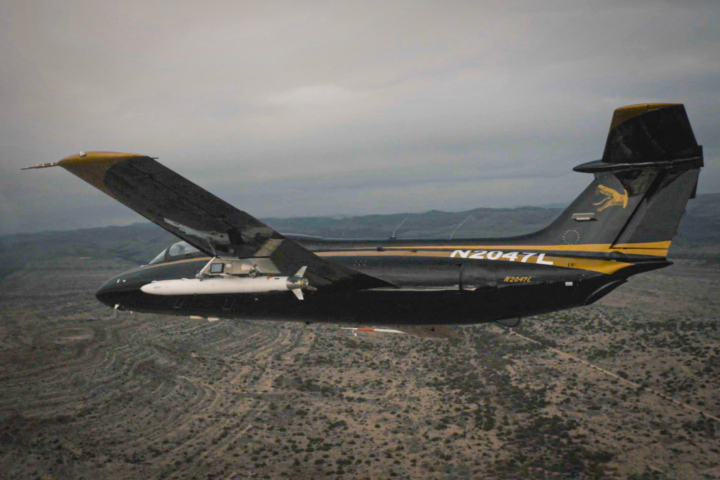 A supersonic drone that will be propelled by a revolutionary new engine has taken to the skies for the first time. When Venus Aerospace's aircraft does go supersonic on a later date, it will be powered by a Rotating Detonation Rocket Engine (RDRE).
 -
 The uOne underwater robot may soon be taking on risky, labor-intensive tasks currently performed by human scuba divers. It boasts a unique combination of traits from two different types of undersea bots.
 -
 A month ago, we were impressed by these robots being able to pick things up, put them in the right spot, open doors and charge themselves. But new video released hours ago makes it clear that autonomous humanoid work is starting to accelerate like mad.
 -
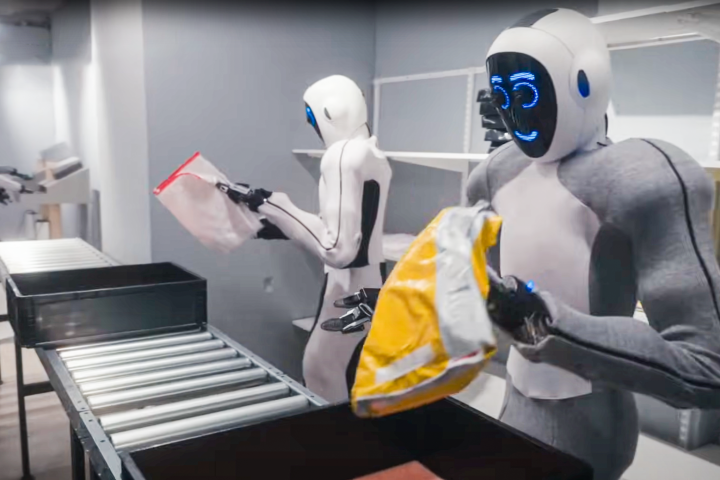 "The video contains no teleoperation," says Norwegian humanoid robot maker 1X. "No computer graphics, no cuts, no video speedups, no scripted trajectory playback. It's all controlled via neural networks, all autonomous, all 1X speed."
 -
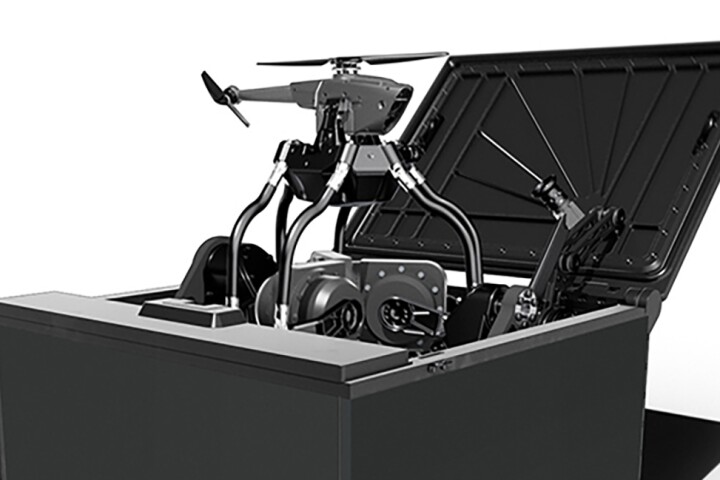 Mesmerizing video shows Teledyne FLIR's new autonomous drone-catching cradle matching the movements of a model helicopter and grabbing it the instant it's within reach. It'll allow soldiers to launch and recover drones from inside their vehicles.
 -
 Swiss researchers are working on an environmental monitoring robot named Avocado that's been inspired by abseiling spiders. The fruit-shaped bot uses a winch and rotors to lower itself through the canopy and gather data on life in the treetops.
 -
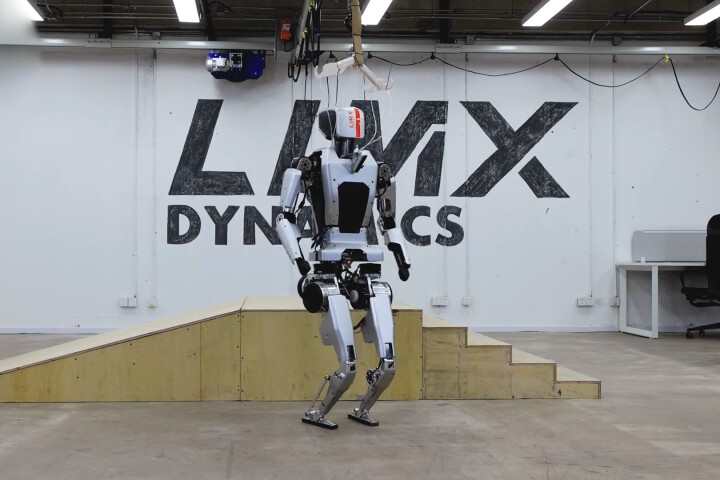 When we last heard from LimX Dynamics, the Chinese robotics firm was showing off a quadruped robot that could walk on legs or roll on wheels. The company has now released a video of its new humanoid robot, which can autonomously climb stairs.
 -
 Stanford and Google DeepMind researchers have presented an open-source housekeeping robot, and trained it relatively quickly to sauté shrimp, rinse out pans, put pots away in a kitchen cabinet, and clean up wine spills – but it has greater ambitions.
Load More