
Art
-
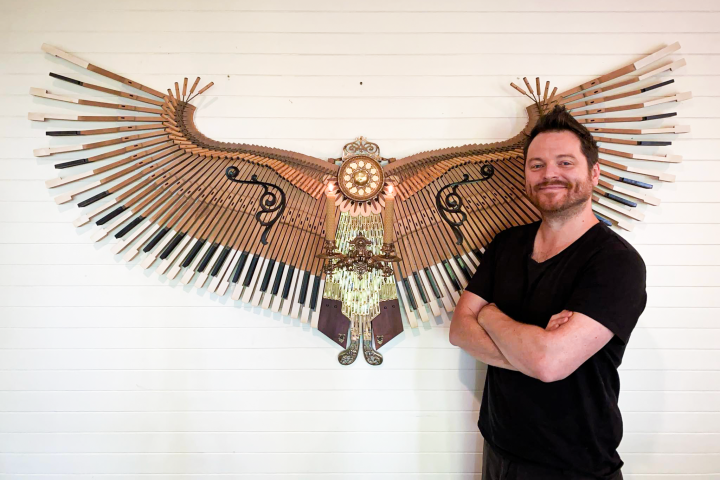 Pianos can become the heart of a home, and some become intergenerational heirlooms loaded with memories. Letting them go once they're unplayable can be very hard, but an Australian sculptor has found a way to resurrect them, to jaw-dropping effect.
 -
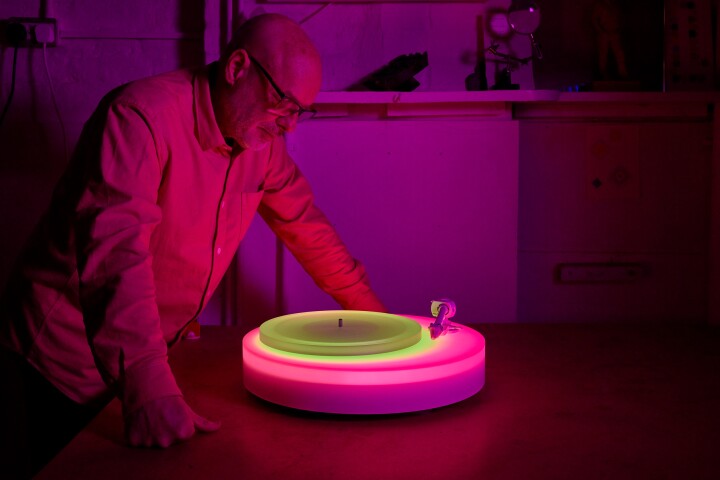 A limited-edition turntable will go on sale next week in the UK, created by iconic "non-musician" and artist Brian Eno. Packed with color-changing LED lights, the signed and numbered functional sculpture carries an eye-watering launch price of £20,000.
 -
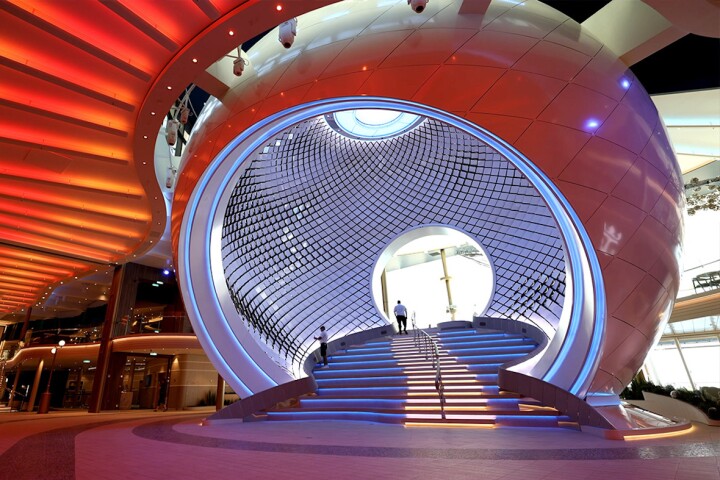 Described as the world's largest kinetic art sculpture by NYC-based designer Breakfast, the Pearl is a remarkably intricate art installation that draws inspiration from the sea and consists of thousands of moving tiles.
 -
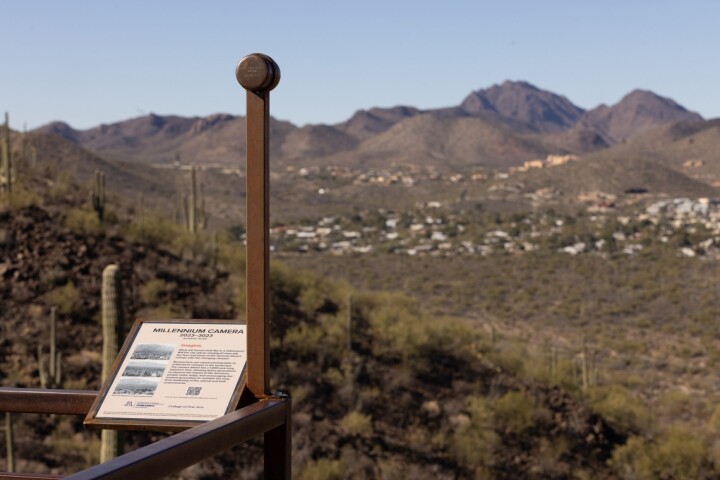 What did your area look like 1,000 years ago? Well, people in the year 3023 might have the luxury of finding out, thanks to an art/science project called the Millennium Camera, which will take an extremely long-exposure photo of the Arizona desert.
 -
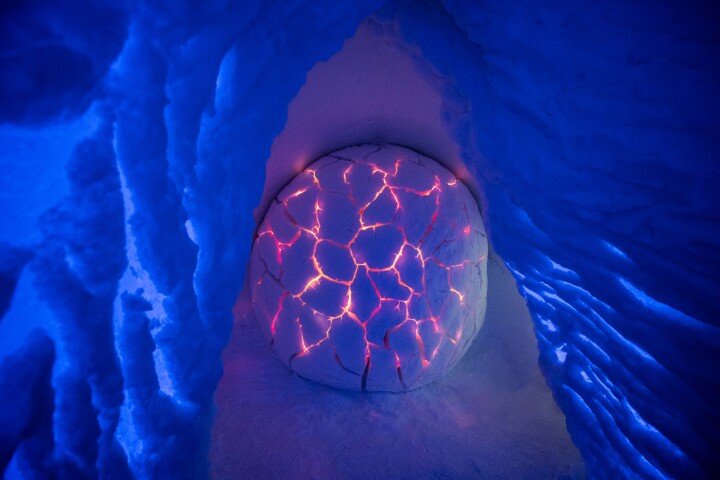 Every December, Sweden's Icehotel hosts chilly hotel rooms that are decorated with wonderfully creative ice sculptures. This year's selection of frozen art ranges from nature scenes to abstract forms depicting the birth of a star.
 -
 Scientists have “painted” with DNA, creating 16 million colors to accurately reproduce digital images with 24-bit color depth. The resulting images are incredible, and represent not just a new art form but potential advances for storing data on DNA.
 -
 "On the Internet, nobody knows you're a dog" is an adage and internet meme that was first published by The New Yorker on July 5, 1993, capturing the essence of internet anonymity … and now the original artwork is for sale.
 -
 Apple has made another new addition to its futuristic donut-shaped headquarters in Cupertino, California. Named Mirage, it takes the form of a sculpture park featuring hundreds of glass columns made from sand sourced from deserts around the world.
 -
 The MOT, by Ukraine's Balbek Bureau, offers an interesting take on shipping container-based design. It plays to the strengths of the metal boxes by creating a temporary art gallery that can be packed up and moved to a new location when required.
 -
 More than 400 footprints across a diverse range of species have been identified in incredible detail for the first time, with researchers enlisting a trio of expert indigenous trackers to help solve the mystery of these 5,000-year-old records.
 -
 With regular felt pens, users are limited to the colors of the pens in a set. As you might have guessed, though, the Colorpik Pen is different – it can reproduce 16 million colors, which are scanned from the user's environment.
 -
 Artist Olafur Eliasson and architect Sebastian Behmann have enclosed a courtyard at the AKG Art Museum with an intricate glass canopy. Inspired by the area's weather patterns, the project is defined by a stunning vortex-like funnel.
Load More