
Archeology
-
 Neanderthals were gluing handles onto their tools over 100,000 years ago, possibly making the species even smarter than previously thought. So says a new study that discovered the use of adhesives on ancient stone tools that were previously overlooked.
 -
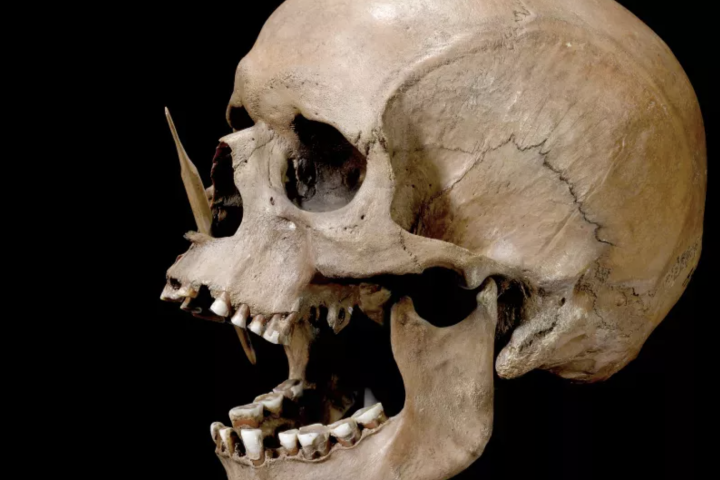 Upending existing theories, there was no peaceful transition of power from hunter-gathers to the first farmers. New DNA analysis reveals that instead it was a deadly takeover – one that completely wiped out the hunter-gathers within a few generations.
 -
 Genetic and isotopic analyses have pieced together a remarkable narrative of a 20-year-old female woolly mammoth, detailing her health, status, travels and ultimate ending in interior Alaska – even though her story is now more than 14,000 years old.
 -
 About 10,000 years ago, a group of hunter-gatherers were hanging out in what is now south-western Sweden chewing pieces of birch tar. New analysis of that substance reveals that they may have had very modern dental issues.
 -
 For two million years, a 10-feet-tall, 660-pound ape thrived in the forest, until it mysteriously vanished during the late middle Pleistocene. After 10 years of work, scientists at last reveal just what happened to our largest known distant relative.
 -
 Researchers have examined the teeth of Swedish Vikings and found that aside from decay and loss, they engaged in surprisingly advanced dental practices not dissimilar from modern practices. The study provides a rare insight into Viking life.
 -
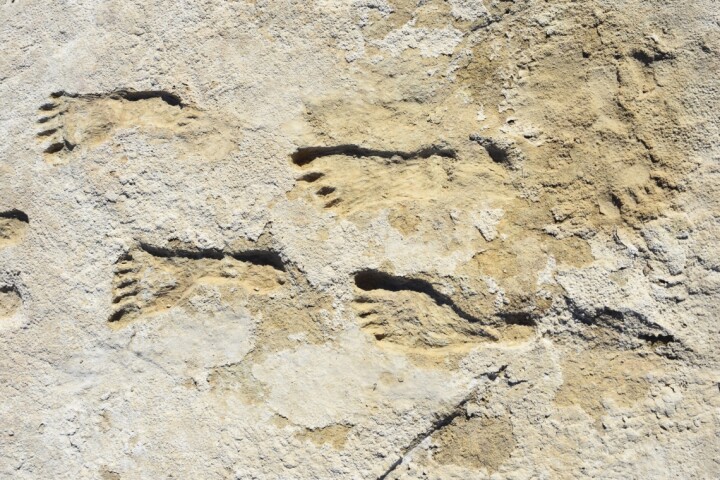 A 2021 study caused a stir by claiming that a set of fossilized human footprints were 20,000 years old – much earlier earlier than humans were thought to have set foot in North America. Now two extra dating methods have seemingly confirmed the age.
 -
 Archaeologists have discovered the oldest evidence of artificial structures made of wood, dating back almost half a million years – predating the appearance of our own species and suggesting our relatives settled down much earlier than we thought.
 -
 Time capsules are a fun way to get a glimpse into life in the past, and now scientists have opened one from almost 3,000 years ago. The team successfully extracted DNA from inside an ancient clay brick, revealing the area's ecosystem at the time.
 -
 The earliest spice mix for a Southeast Asian curry has been identified on a sandstone slab excavated from the Óc Eo site in Vietnam. Incredibly, many of the ingredients are still key in curries today, but it also tells a tale about ancient trade routes.
 -
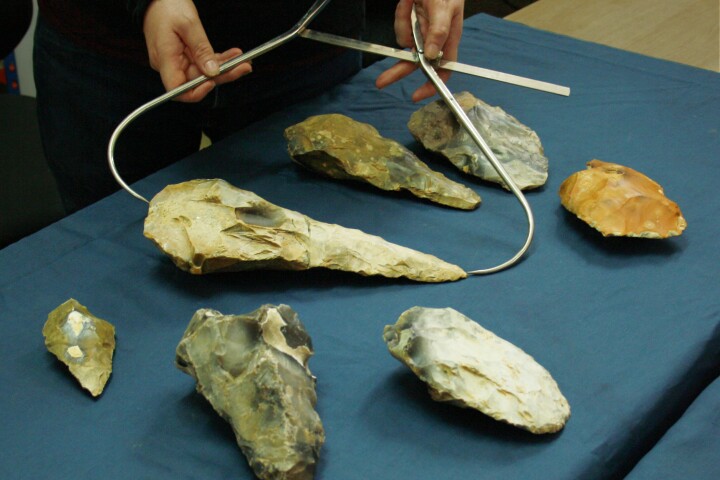 Researchers from University College London's Institute of Archaeology have uncovered a cache of 800 stone artefacts dating to more than 300,000 years ago. The find includes one of the largest hand-axes ever unearthed in Britain.
 -
 Cannibalism among our ancestors is not a surprise, but scientists have been taken aback to find clues of this behavior that hail from 1.45 million years ago. Precision cuts made with a stone tool suggests there were some skilful butchers around too.
Load More