
Antibiotic
-
 US doctors haven’t been following the rules when it comes to prescribing antibiotics, according to new research. Despite the rise in antibiotic resistance, between 2017 and 2021 more than a quarter of antibiotics prescribed were for conditions they’re ineffective against.
 -
 A mussel protein could one day keep infections from occurring at the site of bone implants such as artificial hips. And while the protein does kill the microbes, it should still limit the development of antibiotic-resistant "superbacteria."
 -
 Bacteria often go dormant to avoid being wiped out by antibiotics, which makes treatment difficult. Now scientists have discovered a virus that can attack these sleeping bugs, clearing out infections effectively when paired with drugs.
 -
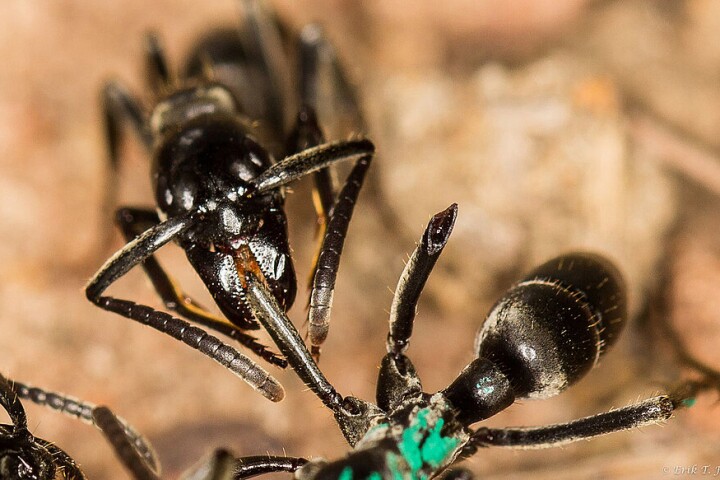 It has been known for some time now that chemicals produced by certain ants have antibiotic properties. For the first time, however, one species of ant has been observed actually using those chemicals to treat infected wounds on others of its kind.
 -
 Antibiotic-resistant bacteria are poised to become a global health concern. In the race to develop new weapons, scientists have created a new family of antibacterial polymers that can kill 'superbugs' in a way they can't evolve resistance to.
 -
 The human body's microbe makeup is increasingly linked to the onset of many diseases, with a lot of the focus on the gut. A new study, however, has found that changes in the bug populations in not just the gut but in salivary and urinary microbiomes are linked to kidney stones forming.
 -
 A study has found that using a digital support algorithm to guide treatment by healthcare providers significantly reduced the number of antibiotic prescriptions given to acutely sick children, without affecting treatment success or causing harm.
 -
 Gut health can affect whole-body health. One of the latest findings to support this idea shows that using an antibiotic to alter the bacteria in the guts of rats lessened the damage to the heart and kidneys sometimes seen with hypertension.
 -
 Hospital patients often pick up dangerous, hard to treat infections. An experimental vaccine given on arrival to hospital could protect against a range of drug-resistant bacteria and fungi, by activating a different arm of the immune system.
 -
 For the estimated 800 million people worldwide with acne, a successful new treatment would have a profound impact on quality of life. Scientists hope their new treatment method, using a drug that's unique in human medicine, will be the 'magic bullet.'
 -
 A new study has uncovered the mechanism by which common - and problematic - bacteria can develop resistance to a relatively new antibiotic. Providing a better understanding of bacterial resistance, the findings may inform how the drug is used.
 -
 We’re losing the arms race against bacteria as they increasingly develop resistance to our best drugs. Now scientists have identified a new class of molecules that disable a major superbug weapon, which could make existing antibiotics effective again.
Load More