
Animals
-
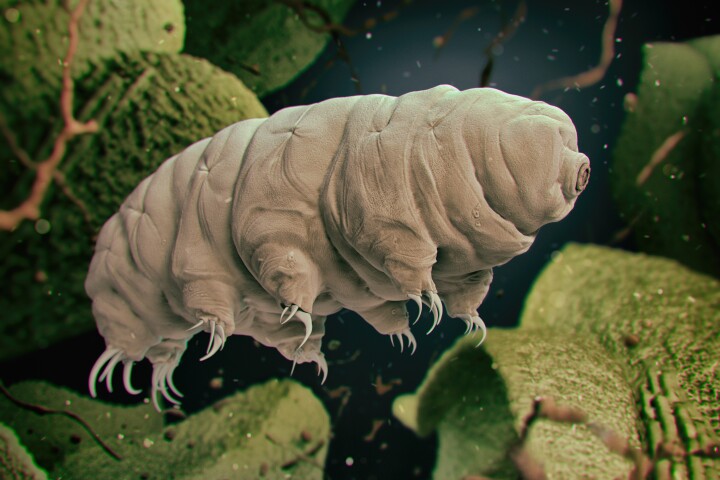 Tardigrades are famously tough little critters, and good for them – but what’s in it for us? A new study has found that tardigrade proteins can protect human cells from damage, potentially leading to new anti-aging therapies or tissue storage tech.
 -
 A genetically edited pig kidney has been successfully transplanted into a living patient for the first time. Reports indicate the man is doing well a few weeks on, raising hopes for a wider pool of donated organs in future.
 -
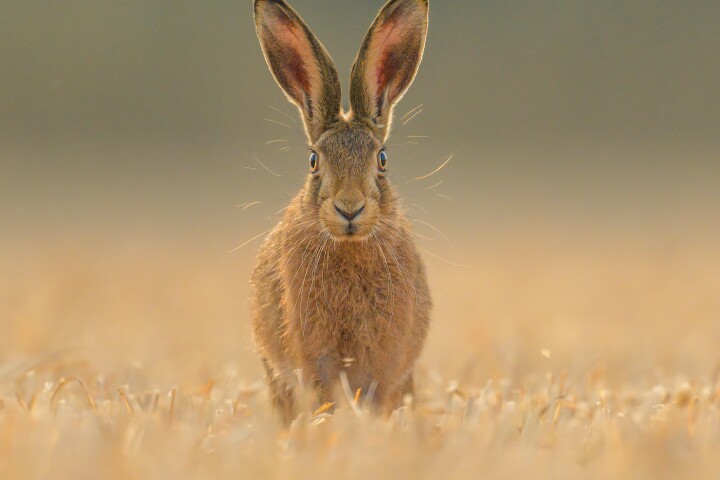 A dramatic image of a soccer ball covered in invasive goose barnacles has taken out the top prize in this year's prestigious British Wildlife Photography Awards, beating out more than 14,000 entries that aimed to cleverly capture the world around us.
 -
 We’re edging closer to seeing a live mammoth for the first time. Colossal Biosciences, a company dedicated to the controversial-but-unquestionably-cool goal of resurrecting extinct species, has made a breakthrough in creating elephant stem cells.
 -
 A tiny, newly-discovered minnow has measured louder than gunshots, jet engines or most competition-grade car stereos on the decibel scale – which raises the question: how on Earth was it not discovered earlier? It hasn't exactly been discreet.
 -
 There's been a takeover of North America's soil by scores of non-native earthworm species this past century. It's time we pay more attention to the invaders and their potentially major impact on the continent's ecosystem, says a new Stanford study.
 -
 It’s a question we’ve all wondered at some point: why do insects spend their evenings swarming around artificial lights? Scientists have now come up with an answer using high-speed cameras and motion capture tech to map out their flight paths in 3D.
 -
 Scientists have long puzzled over why some dinosaurs had feathers and wings long before they evolved the ability of flight. Experiments with a robot dinosaur may now have revealed the answer – they used them for hunting.
 -
 Most of us picture megalodon as a Jason-Statham-hunting monster that looked like a giant great white shark, but that probably wasn’t the case. A new study re-examines fossil evidence and suggests the creature was longer and more slender than thought.
 -
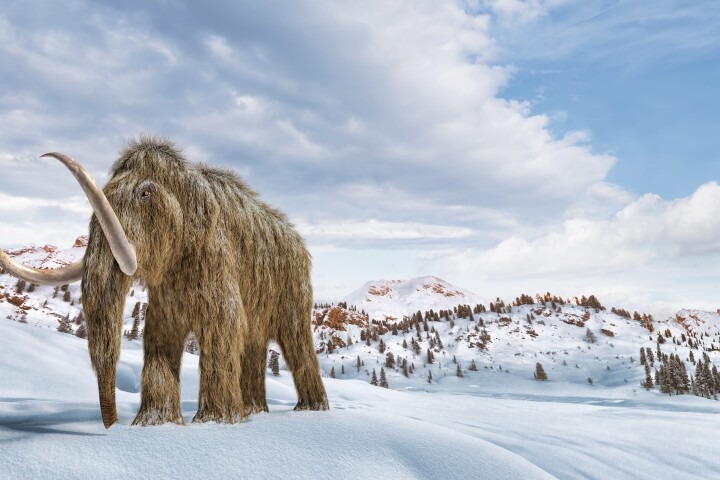 Genetic and isotopic analyses have pieced together a remarkable narrative of a 20-year-old female woolly mammoth, detailing her health, status, travels and ultimate ending in interior Alaska – even though her story is now more than 14,000 years old.
 -
 The sex life of a tiny Australian marsupial known as an antechinus is already pretty bizarre. But now its mating season has gotten even stranger – and darker – thanks to the introduction of cannibalism, as observed by field researchers.
 -
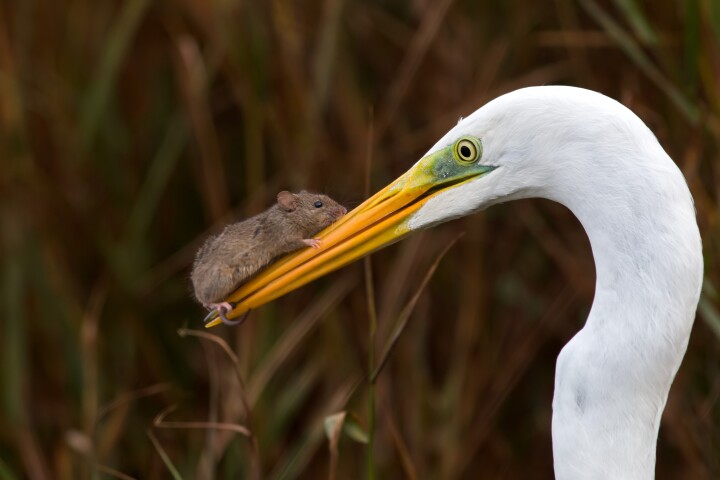 A new photography competition has released its first batch of winners and finalists. A portrait of a playful sea lion has won the inaugural Nature Photography Contest, which showcases animals, plants, landscapes and human impact on the environment.
Load More