
3D bioprinting
-
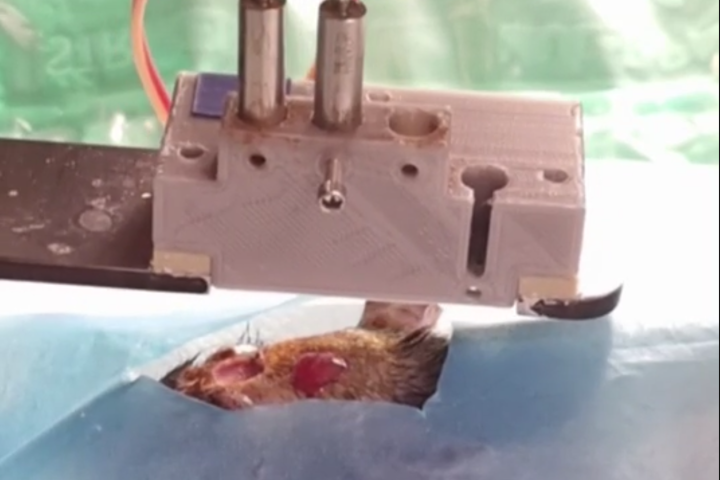 In a world first, researchers have printed multi-layered, living skin directly onto significant injuries in rats for scar-free skin repair. It's not sci-fi – they're genuinely 3D-printing skin (and possibly hair) right into damaged areas.
 -
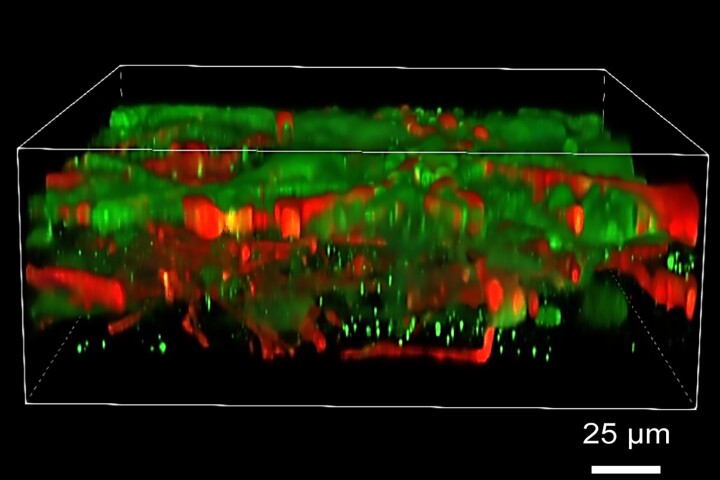 Researchers have used a novel technique to 3D print brain tissue whose cells developed into functional neurons that communicated with each other in a matter of weeks. The approach could be used to study the healthy and unhealthy brain or test drugs.
 -
 In a major step towards creating new organs on demand to alleviate donor waitlists, Stanford scientists have now received a contract and funding for experiments to 3D print human hearts and implant them into live pigs.
 -
 In the past two years, Israel's Steakholder Foods has brought us a lab-grown steak and lab-grown Wagyu beef morsels. Now, it has produced what it says are the world's first whole fillets of cultivated fish … grouper, to be precise.
 -
 Researchers have developed a mobile printer that creates temperature-stable, dissolvable vaccine patches on demand. The novel device not only does away with vaccine injections, but it would also enable vaccines to be delivered to remote areas.
 -
 3D biopriting is gaining popularity but, to work effectively, the “inks” used must be firmed up using UV light or chemical processes. Researchers have developed a new bioink that hardens at body temperature, making it safer for use in artificial organs.
 -
 Scientists have created “acoustic holograms” that can assemble matter into 3D objects, using just sound. The technique works with various types of particles and even living cells, allowing for a new kind of 3D printing that’s fast and contact-free.
 -
 There may soon be new hope for patients born with genetic defects that leave them with misshapen or missing ears. A new human clinical trial will test an implant known as an AuriNovo, which uses a 3D-bioprinted ear grown from the patient’s own cells.
 -
 While the 3D bioprinting of tissue and organs does hold great promise in the field of medicine, the printed materials typically have quite a short shelf life. An experimental new bio-ink, however, allows bioprinted tissue to be stored in a frozen state for months at a time.
 -
 Earlier this year, we heard how two separate groups had developed the world's first lab-grown rib-eye steak and Waygu beef. Israeli startup MeaTech 3D is now joining their ranks, with a "cultivated steak" of its own.
 -
 When it comes to the 3D bioprinting of replacement body parts or other implanted items, the material that's used needs to be strong yet flexible, and also biocompatible. According to new research, sunflower pollen may be the way to go.
 -
 For some time now, we've been hearing about scaffolding-like implants that encourage bone tissue or cartilage to grow back into areas where it's missing. Now, scientists have developed a method for more quickly and easily 3D-printing such implants.
Load More