



Twenty-seven stroke victims are alive and well today because of a new tool that vacuums clots out of blood vessels in the brain. Known as the Penumbra System of Continuous Aspiration Thrombectomy, the technology has been assessed at the Seaman MR Research Centre at Canada’s University of Calgary. If used within a few hours of a stroke, it can restore blood flow to the brain, thus reversing the effects of the stroke and preventing any permanent brain damage.
Medical technology firm Penumbra designed the tool. The process involves going in through the patient’s groin, and threading a tiny catheter into a blood vessel. That catheter goes up to the neck, at which point an even smaller catheter emerges from it and goes into the brain, whereupon it vacuums out the blood clot. "It requires years of training to be able to do this," said Dr. Mayank Goyal, director of the Seaman Centre. "It places enormous demands on the interventionalist, on the imaging specialists, and on the emergency team that gets the patient to a designated stroke care facility. Teamwork is key for success.”
Dr. Goyal added that the procedure will only work on massive strokes, so it is vital that patients are assessed via a CT scan as soon as possible. As revolutionary as the tool itself may be, it is of the utmost importance that medical staff are able to quickly determine which patients are candidates. To that end, Goyal is now working on a website that will help other physicians interpret CT scans accordingly.
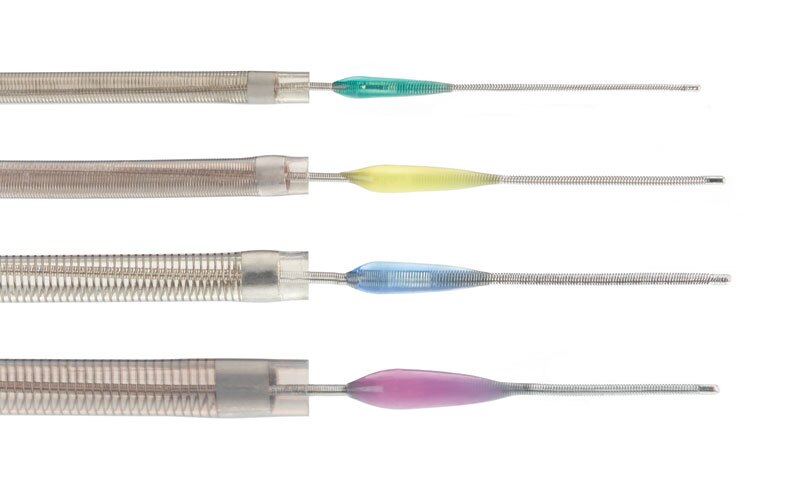
The Penumbra System is intended for use on ischemic strokes, which involve blood clots in the brain, and constitute 80% of all strokes. Currently, such clots are treated with the drug t-PA, which has to be administered within three hours of the event. The new system involves less of a risk of bleeding, and may still work after more than three hours.
"The bottom line is we have this new technology which is extremely effective,” said Goyal. “This study involved patients with large strokes associated with much higher levels of disability and death and we have the potential to be able to give them a good quality of life."