
Medical
Having already cured many diseases and conditions that were once a death sentence, medical researchers continue to strive to help us live longer and healthier lives. Read about the latest advances here.
Latest News
-
Experimental antibody drug prevents and even reverses diabetes onset
May 01, 2024A promising new drug could prevent and even reverse the onset of type 1 diabetes. The experimental monoclonal antibody drug was found to act like a shield to protect insulin-producing cells from damage and even extended lifespan in some cases. -
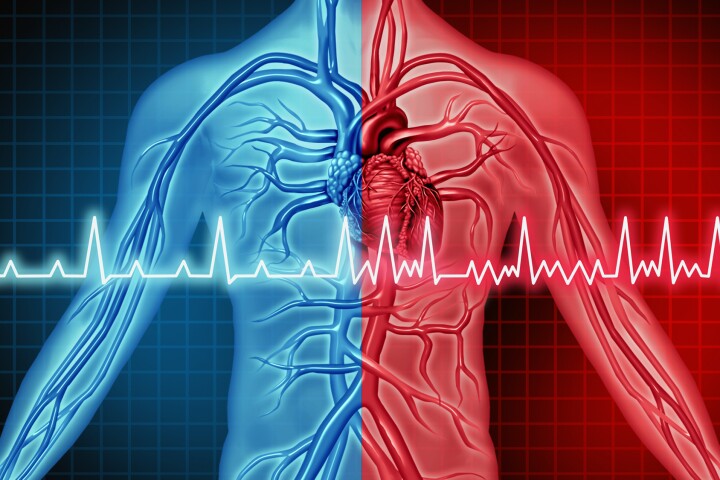
Only half of atrial fibrillation patients survive 10 years after treatment
April 30, 2024Examining long-term outcomes for people with atrial fibrillation, the most common heart rhythm disorder, a new study found that 55% survived to 10 years. The researchers say it needs to be treated as a chronic illness with serious long-term consequences. -
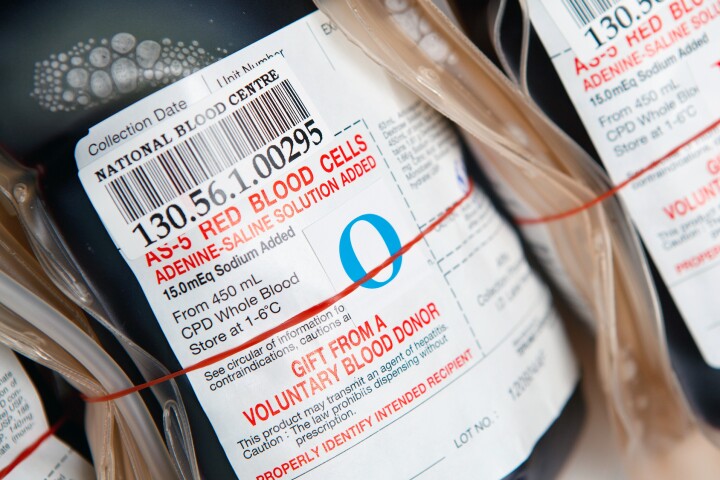
Bacterial enzyme strips away blood types to create universal donor blood
April 29, 2024Using enzymes produced by a bacteria that almost everyone has in their gut, researchers have removed the antigens from red blood cells that determine blood type, putting us within reach of producing universal donor blood. -

Cow's milk particles unlock one of medicine’s most challenging puzzles
April 26, 2024Cow’s milk contains nanoparticles that can be used to deliver RNA therapy orally, say researchers. With such drugs currently only administrable by injection, the discovery opens the door to cheaper, more accessible treatments for a range of diseases. -

Anti-aging human tests begin – and $40 million of funding is behind it
April 24, 2024California-based biopharmaceutical company Rubedo Life Sciences has announced that thanks to US$40 million in financial backing, it can commence human trials of its drug RLS-1469, designed to target the senescent cells that cause age-related disease. -

Your doctor is prescribing antibiotics that won't help – and may harm
April 23, 2024US doctors haven’t been following the rules when it comes to prescribing antibiotics, according to new research. Despite the rise in antibiotic resistance, between 2017 and 2021 more than a quarter of antibiotics prescribed were for conditions they’re ineffective against. -
How aspirin stops the growth and spread of colorectal cancer
April 23, 2024Aspirin, taken by around 29 million Americans daily, has increasingly been linked to inhibiting the growth of certain cancers – but we didn't quite know how. Now, scientists have uncovered how it helps the immune system see and kill cancer cells. -
Smartwatch AI predicts atrial fibrillation 30 minutes before it arrives
April 22, 2024Trained on simple heart rate data, an AI model can predict an episode of atrial fibrillation 30 minutes in advance. With plans to incorporate it into a smartphone so it can analyze data from a smartwatch, the model would act as an early warning system. -

Thistle extract accelerates nerve regeneration by up to 29%
April 22, 2024Nature has again proven effective in treating health conditions, this time nerve injury. According to a new study, a compound found in the blessed thistle plant accelerates the regeneration of damaged nerves, restoring motor function and touch sensation. -

Light-activated propulsion spins bacteria-shredding micromotors
April 18, 2024The four spikes on a new nanocrystal developed in Spain spin up under light and move through liquid, blasting any bacteria unfortunate to be in their path. The development could spell trouble for bacteria that resists traditional drug treatments. -

New flu drug aims to keep you in a 'Goldilocks zone' of lung inflammation
April 12, 2024A new drug for severe influenza successfully keeps patients at the perfect level of lung inflammation to protect against lung damage while still allowing the immune system to fight off the infection. It's effective in mice even days after infection. -

Sleep apnea: Mouthguards less invasive, just as effective as CPAP
April 12, 2024Obstructive sleep apnea can cause or contribute to high blood pressure, so a new study examined which sleep apnea treatments – a CPAP machine or a mouthguard that keeps the airways open – was more effective at lowering blood pressure. -

App detects heart failure vibes via a smartphone's existing sensors
April 09, 2024Detecting the first stages of heart failure could soon be as simple as placing a smartphone on a patient's chest. That's the conclusion of an ongoing study, which is aimed at developing an app for diagnosing the potentially lethal condition as early as possible. -

New asthma cause identified – and a new angle for treatment
April 07, 2024As common as asthma is, exactly how it starts remains murky. Scientists have now identified a new root cause, and importantly a new angle for treating the disease that can prevent the main symptoms. -
Simple oral spray prevents UTIs for up to nine years
April 07, 2024An oral vaccine that prevents urinary tract infections (UTIs) recurring has shown to provide protection for nearly a decade in a majority of patients, according to a new study. This easy treatment offers a safe, effective method of UTI prevention.
Load More