
Space
New Atlas keeps you up to date with the latest space news and fantastic images from all corners of the Universe.
Latest News
-

NASA just hacked a 1977 computer on a spacecraft way out past Pluto
April 23, 2024We have to cut the 47-year-old space veteran some slack – it's faring much better than our 2019 laptops – but Voyager 1's five months of communicating nonsense to Earth may be over, thanks to Mission Control's 15-billion-mile remote IT fix. -
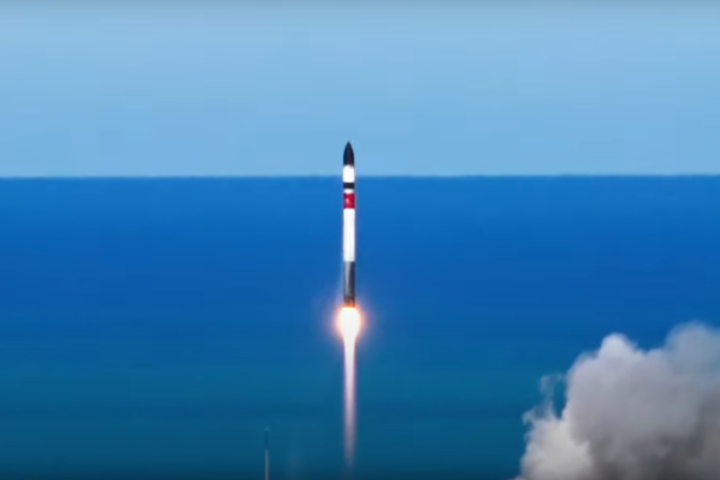
World's most advanced solar sail rockets into space
April 23, 2024The world's most advanced solar sail spacecraft began its epic odyssey as it lifted off atop a Rocket Lab Electron launcher from Launch Complex 1 in Mahia, New Zealand. It was one of two payloads on the Beginning Of The Swarm mission. -
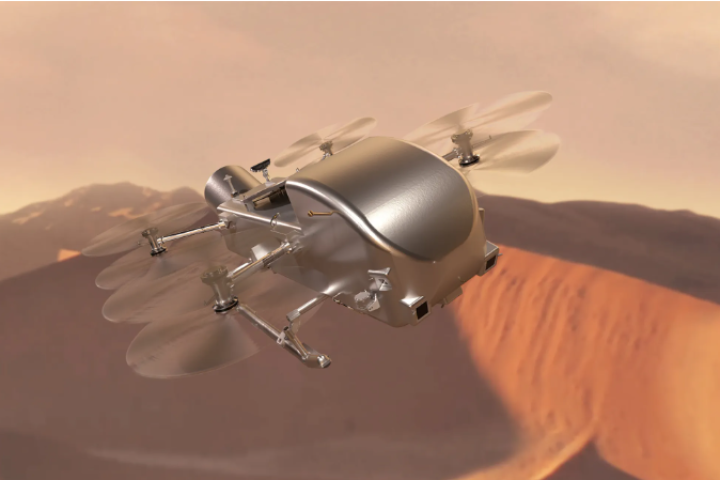
Dragonfly rotorcraft given green light for mission to Titan
April 17, 2024NASA has given the green light for the nuclear-powered Dragonfly rotorcraft to explore Saturn's largest moon, Titan. Approval for the 2028 interplanetary mission comes after years of delay due to COVID-19 and a series of cost overruns. -

Space junk that tore through Florida home was from ISS, confirms NASA
April 16, 2024NASA has completed the analysis of a chunk of metal that crashed into the roof of a house in Naples, Florida, a few weeks ago. The agency says it came from a pallet of trash released from the International Space Station three years ago. -

NASA's electrodynamic dust shield will repel clingy, abrasive Moon grit
April 15, 2024Future Moon bases may be a bit tidier thanks to an electric shield that protects equipment from destructive lunar dust. NASA's Electrodynamic Dust Shield (EDS) technology promises to tame the destructive dust that clings to equipment. -
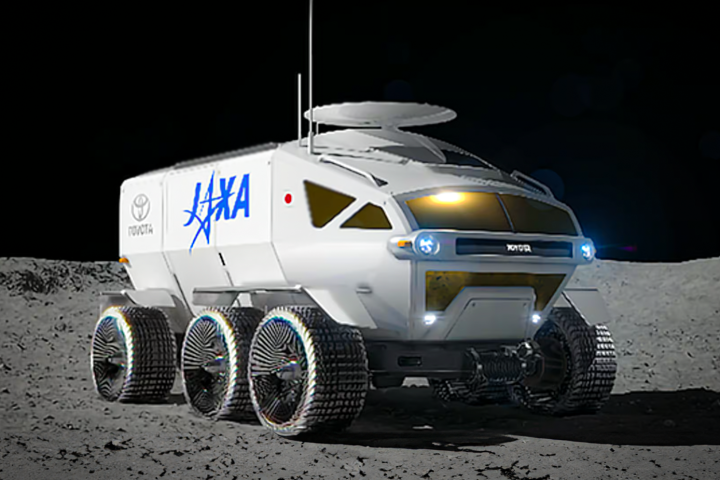
Japan to build NASA a pressurized Moon campervan for 30-day trips
April 14, 2024When NASA returns to the Moon, its astronauts will enjoy tooling around in a pressurized camper van courtesy of JAXA and Toyota. The two-person vehicle is part of a US/Japan agreement that includes putting the first Japanese astronauts on the Moon. -
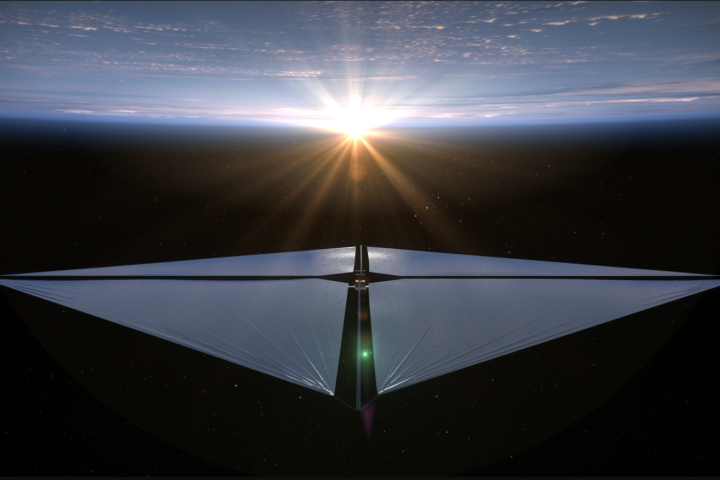
Advanced solar sail mission prepares to catch the wind in the void of space
April 12, 2024NASA is gearing up to launch an advanced solar sail spacecraft later this month. Using a new boom made of lightweight polymer composites, the Advanced Composite Solar Sail System is scheduled to lift off on April 24. -
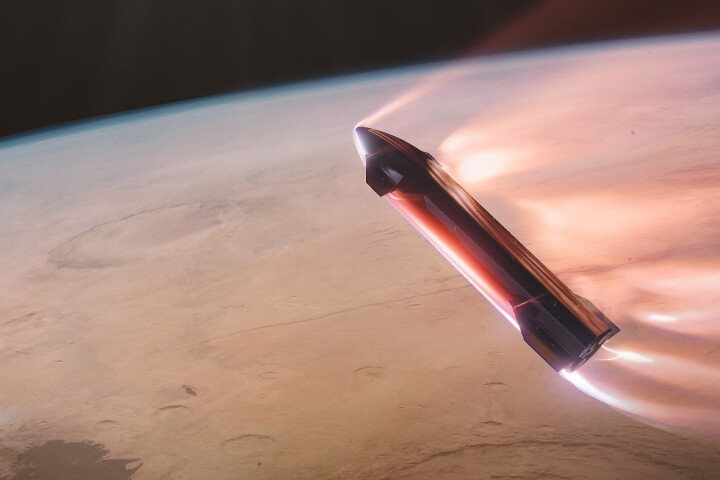
Musk plans 1,000-ship fleets to colonize Mars
April 11, 2024Elon Musk has given an update on Mars colonization plans, noting how the advances in SpaceX's Starship combined with plummeting launch costs could one day see thousands of ships heading for the Red Planet to support a colony of a million people. -

Faulty chip may be clue to Voyager 1 computer fix
April 09, 2024NASA engineers have narrowed down the problem with the Voyager 1 deep space probe to a single faulty chip. It may now be possible to work around the corrupted memory and return the 47-year old interstellar spacecraft to an operational condition. -

Video: Largest 3D map of the universe reveals hints of new physics
April 08, 2024Astronomers have produced the largest 3D map of the universe, including an interactive VR video. In the process, they’ve uncovered some tantalizing hints that our understanding of physics, including the ultimate fate of the cosmos, could be wrong. -

Theory of Relativity drives plan for Moon standard time
April 08, 2024Thanks to Albert Einstein, the US Government wants to establish an official time zone for the Moon. It has less to do with jet lag and more to do with how gravity affects time and can throw a lot of very precise technologies seriously off track. -
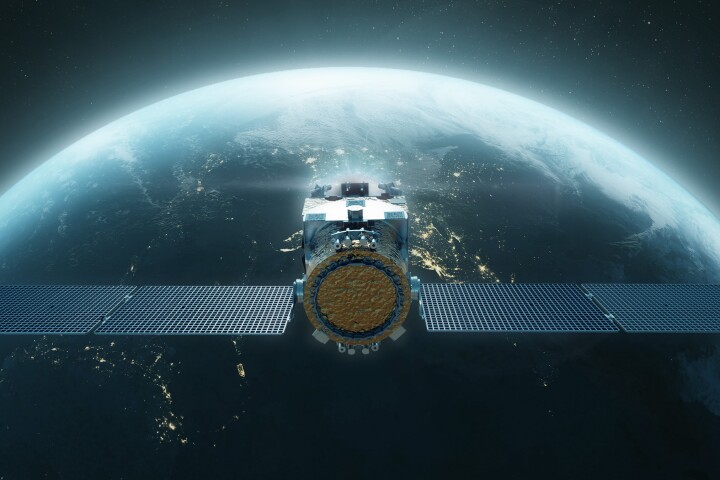
Space Force orders orbital service station to revive dead satellites
April 04, 2024A spacecraft about the size of a gas pump is being developed for the US Space Force program to refuel orbiting satellites. The goal is to extend the lifespan of craft that have run out of juice instead of simply decommissioning them. -

Once-in-a-lifetime 'Devil Comet' is now in view. Here’s how to see it
April 03, 2024A huge comet will grace our skies over the next few months, putting on a grand show through binoculars or telescopes, and will even be visible to the naked eye. So how and when can you see it? -

NASA selects candidates for extreme-terrain lunar vehicle program
April 03, 2024NASA has selected three companies to develop extreme off-road vehicles that astronauts will drive on the Moon during Artemis missions starting in 2030, awarding US$4.6 billion in contracts to Intuitive Machines, Lunar Outpost and Venturi Astrolab. -
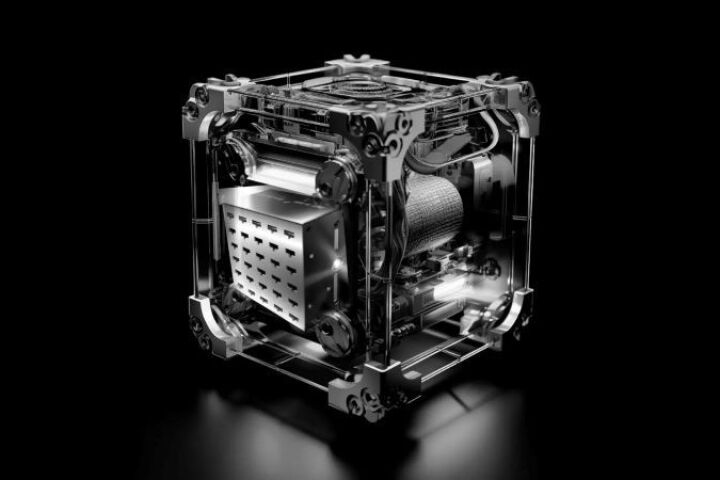
Fusion drive space engine ready for flight
March 26, 2024Rocket science got a bit more science-fiction-like as RocketStar announces it has successfully demonstrated a new ion drive that incorporates nuclear fusion. It's not the sort of fusion that powers the Sun, but it does improve thrust by 50%.
Load More