2 January 2005 The next few years will see the development of many new forms of intelligent packaging, capable of far more than the labelling and branding roles packaging has served until now. Intelligent packaging that changes colour to indicate the ripeness of fruit it contains is destined for our supermarket shelves this year. Developed in New Zealand, ripeSense packaging technology is expected to bring significant efficiencies to the fresh fruit industry, reducing wastage and forever eradicating the old selling process of selling loose, usually unripe, fruit into bins, where it is bruised, squeezed and prodded to determine its ripeness.
Initially being trialled at supermarkets in Portland in the United States to sell pears, the technology is used to show the readiness of the furuit for eating. Shoppers can choose to either buy pears that are ready to eat immediately or they can purchase firmer fruit that will be ready for eating in a few days. Further research is proposed to develop sensor labels for summerfruit, kiwifruit, avocado and melons.
RipeSense can be expected to change the way we buy our fruit by showing consumers the exact level of ripeness without handling or guesswork.
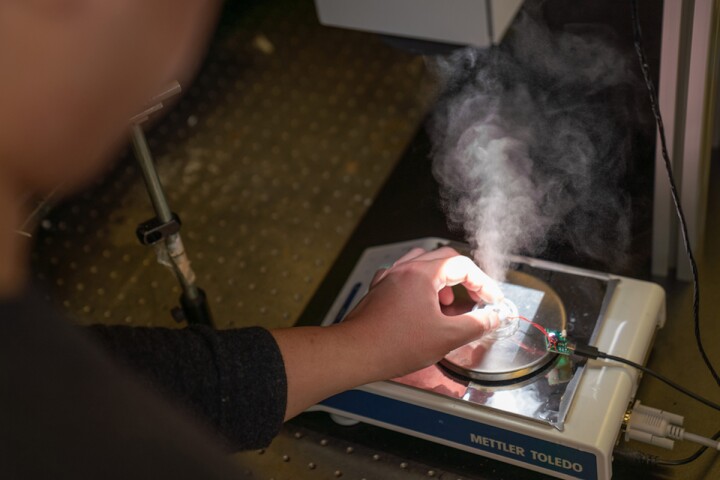
The ripeSense sensor label is world-first technology that enables shoppers to choose fruit that best appeals to their taste. It works by detecting aroma compounds given off the fruit as it ripens, changing the label through a range of colours.
Declining global consumption of fresh fruit and vegetables has been concerning health professionals and produce trade leaders for some time. In New Zealand, the produce industry has been promoting the eating of more fruit and vegetables through a "5 + a day" campaign. Convenience and taste have been identified as key drivers to encourage increased consumption.
The new label technology is the result of five years development by HortResearch scientists, funded largely by the New Zealand Foundation for Research, Science and Technology.
Dr Sharrock says a key reason for developing ripeSense for pears is the difficulty shoppers have determining fruit ripeness. Pears, unlike apples, need to soften before they achieve their maximum flavour and shoppers often squeeze and damage the fruit as they make their selection. The clamshell pack, moulded to the shape of the pears, was developed to trap the aroma necessary for ripeSense to function. It also protects them from crushing and bruising, permitting retailers to sell tender juicy ripe fruit without wastage.
"We see this as an example of a company stepping up its research, pulling in expertise and developing a strategic relationship with a science partner, HortResearch, to improve its own skills and capability," says Lins Kerr.