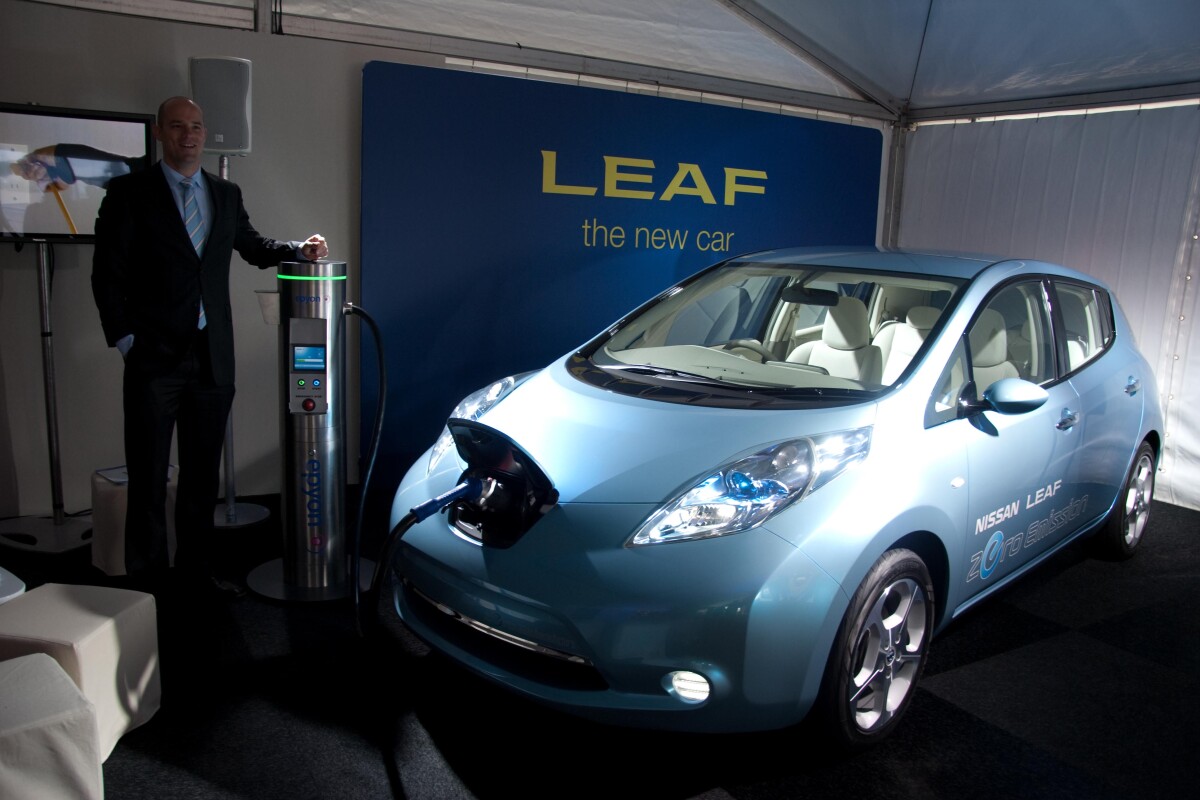



Nissan’s LEAF electric car is being promoted in the Netherlands this week and EV charging system specialist Epyon is taking the opportunity to unveil its new TERRA fast charging station. If the claims are to be believed, its performance is pretty impressive - the TERRA can recharge a LEAF up to 80% within just 30 minutes. Considering that the LEAF can travel up to 160 kilometers on a full charge, and that most people drive less than 100 kilometers in a day, that half-hour recharge might be all that the average driver would ever need.
According to Epyon, a regular 230V outlet takes about eight hours to fully charge an EV. The TERRA, by contrast, is claimed to be able to charge some vehicles in as little as 15 minutes. “While you are out of the car to get a cup of coffee or do some quick shopping, your car could be recharged and always be ready to go,” said Sales and Marketing VP Johan Peeters.
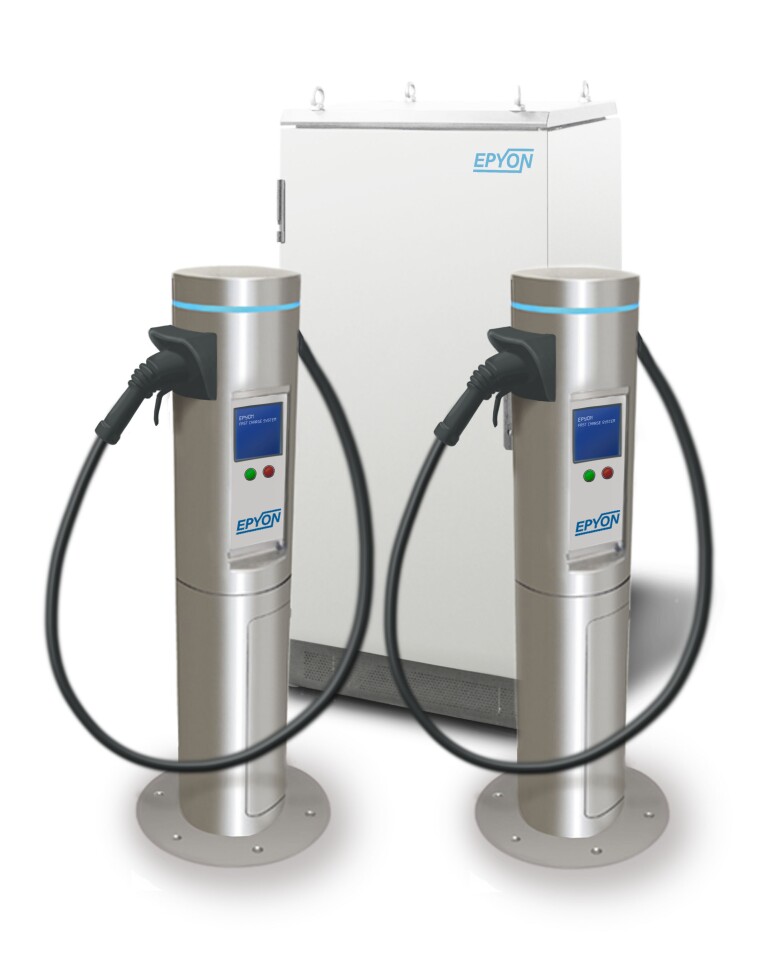
Each TERRA station can simultaneously charge several vehicles at once. The stations are remotely maintained through Epyon’s web-based Power-Routing network, which keeps track of the local power grid, billing, and battery life management. The stations also meet the standards set by CHAdeMO, a group of companies that are trying to establish a standardized system of electric vehicle charging stations.