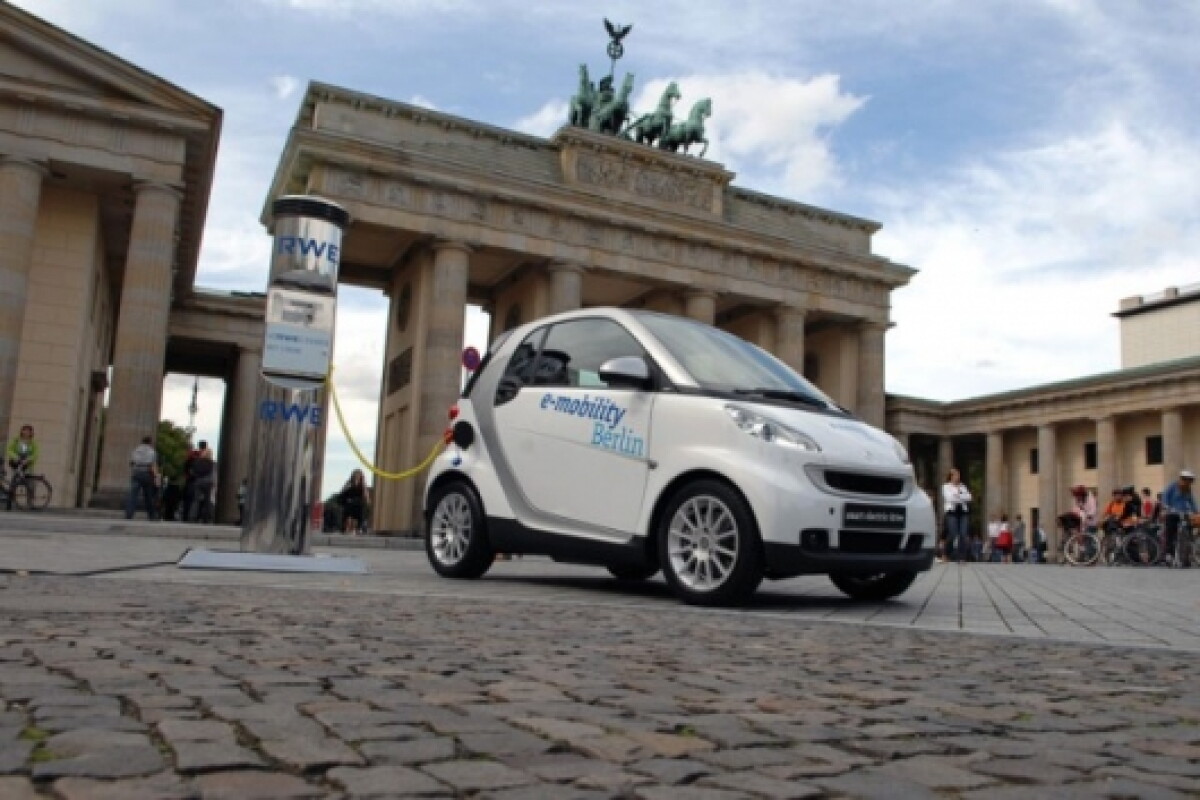



September 10, 2008 The implementation effective infrastructure seems to be to lagging behind the development of electric vehicles themselves, but a new joint project announced by Daimler AG and energy provider RWE AG could be another sign that the tide is turning in terms of developing widespread systems that will allow EV's to make the transition to the mainstream.
e-mobility Berlin is described as the world’s largest joint project for environmentally friendly electric cars - Daimler will provide around 100 electric cars from Mercedes-Benz and smart as well as the vehicle service and RWE will install and operate 500 charging points in customer’s homes, workplaces, public parking areas and through agreements with businesses such as shopping centres. The initiative is also being supported by the German federal government.
The project will also introduce an intelligent payment system whereby how much customers spend is controlled via an automatic exchange of information between the in-car communication system and the charging point - so there's no need for cashiers. The charging points will also be "future-proofed" for next generation batteries that will enable energy stored in the vehicle to be fed back into the supply network when demand is high.
A serial development phase is starting now with the introduction of the first vehicles slated for the end of 2009. The new lithium-ion based generation of smart ed (electric drive), which are due for series production at the same time, will be used in the project.
Daimler will also use the experience gained from a pilot project launched in London in 2007 that has seen 100 first-generation smart fortwo ed cars (which use a sodium-nickel battery) tested on a daily basis.