
Boeing Phantom Ray unmanned aircraft begins flight testing
May 11, 2011
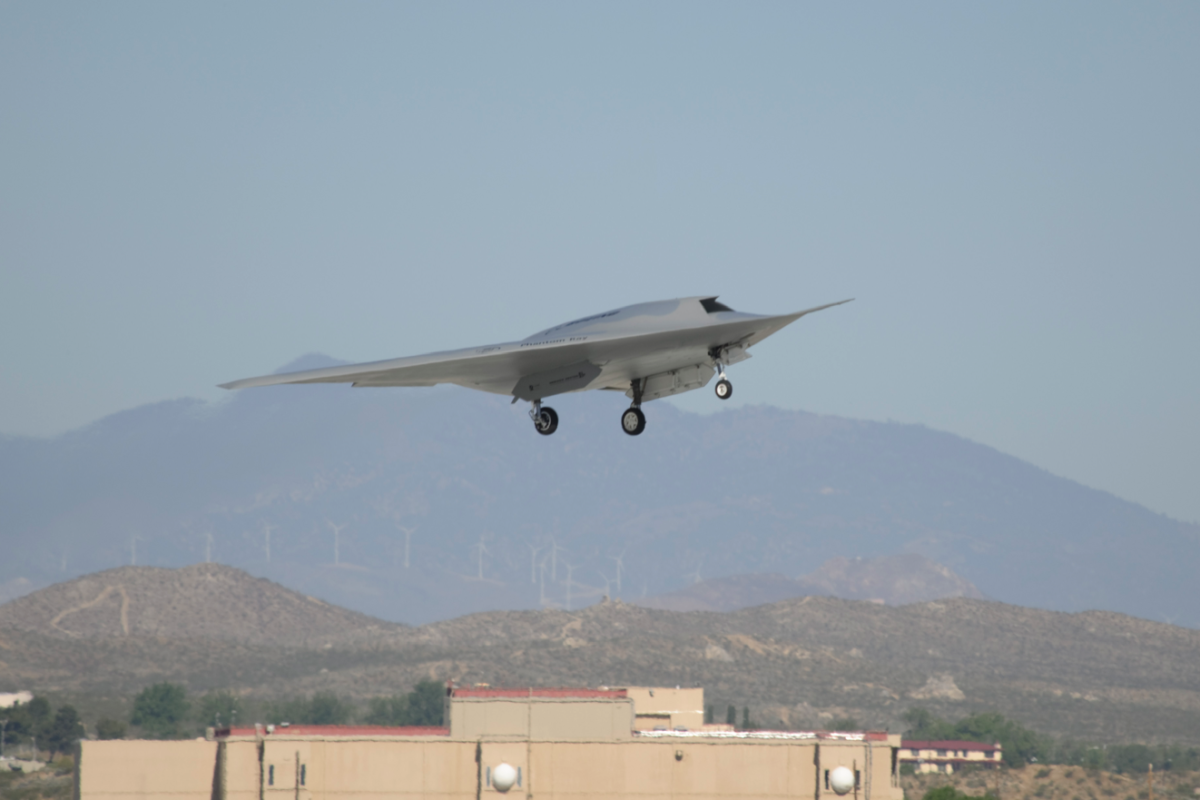
Boeing Phantom Ray UAS takes off on its maiden flight (Photo: Boeing)
Image Gallery (5 images)Boeing has successfully kicked-off its test flight program for the Phantom Ray unmanned airborne system (UAS). The fighter-sized technology demonstrator reached an altitude of 7,500 feet and a speed of 178 knots in its first flight on April 27 in the skies above NASA's Dryden Flight Research Center at Edwards Air Force Base, California. A second successful test flight followed on May 5.
In its maiden flight, the 50-foot wingspan unmanned aircraft flew for 17-minutes before nailing a pinpoint landing. The test demonstrated Pahantom Ray's basic airworthiness as well as showcasing the effectiveness of the company's "rapid prototyping" program, which saw the milestone reached after an incubation period of just two and a half years.
"The first flight moves us farther into the next phase of unmanned aircraft," said Craig Brown, Phantom Ray program manager for Boeing. "Autonomous, fighter-sized unmanned aircraft are real, and the UAS bar has been raised. Now I'm eager to see how high that bar will go."
The second outing on May 5 mirrored the first and further test flights are planned with a view to expanding the aircraft's flight envelope and researching different payload capabilities and multiple mission scenarios, which range from intelligence gathering and surveillance to electronic attack and autonomous air refueling.
You can see Phantom Ray in action in the Boeing video below.
Source: Boeing.
After a misspent youth at law school, Noel began to dabble in tech research, writing and things with wheels that go fast. This bus dropped him at the door of a freshly sprouted Gizmag.com in 2002. He has been Gizmag's Editor-in-Chief since 2007. All articles by Noel McKeegan
I wonder why they aren't tucking in the landing gears after taking off?
Dawid Dahl12th May, 2011 @ 11:01 am PDT
Will, nope, tilt the plane it turns, Dawid, all early flights on new aircraft are always gear down to insure a landing.
Bill Bennett12th May, 2011 @ 07:32 pm PDT
Over two years to a prototype? Is that supposed to be impressive? It's not.
Maury Markowitz13th May, 2011 @ 08:06 am PDT
Considering it used to take 10 to 15 years it is at least an improvment.
Joseph Mertens13th May, 2011 @ 04:51 pm PDT
looks like kite! when its to entre to aviation market. Good luck.
Thangals Sayed Zainul Abid2nd April, 2012 @ 09:48 pm PDT
Or Login with Facebook:
Just enter your friends and your email address into the form below
For multiple addresses, separate each with a comma
Privacy is safe with us because we have a strict privacy policy.


Looks pretty slick. I've always liked the flying wing design. With no rudder they must be using vectored thrust to control it though.
Will, the tink12th May, 2011 @ 07:57 am PDT