
Urban Transport
There's always a better way to get from A to B. Here's New Atlas' take on the most innovative modes of transport emerging in the 21st century.
Latest News
-

Motorized wheel-on-a-pole sticks it to electric skateboards
April 11, 2024If you sometimes want an electric boost while skateboarding, but don't want an electric skateboard, then you might like REM. It's essentially a handheld "power stick" that works completely independent of the user's board. -

Tiny electric robovan cleans 1 million square feet of road per charge
April 05, 2024Keeping bike paths and roads clear of debris is a necessary but thankless task for sanitation workers. The Robosweeper S1 from WeRide can work alongside street crews, or can work alone to quietly clean up day or night. -

The $1,600 folding electric motorcycle and portable powerbank
April 02, 2024It's one of the most important products of recent times, and it went on sale outside China for the first time this week. The Felo M1 is a folding motorcycle that has a big battery and a power outlet that offers new possibilities as a portable power bank. -

Fully autonomous street crawlers could make potholes thing of the past
March 25, 2024Whether you're on a bike or in a car, potholes are a problem. Maintenance is costly and labor intensive, but UK authorities have successfully tested a prototype autonomous machine designed to detect and seal surface cracks that can grow into potholes. -
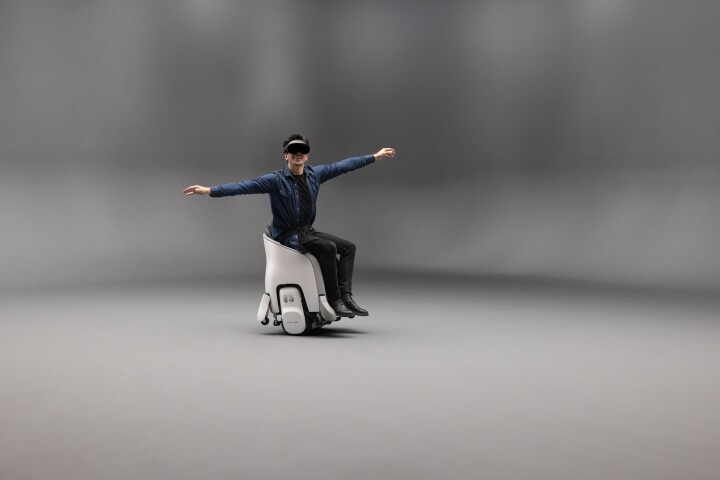
Experience omnidirectional float with Honda's first-of-kind XR demo
February 29, 2024Honda has found a new application for its sit-down Segway for lazy shoppers. The Uni-One is being merged with VR goggles for "a first-of-its-kind extended reality experience that merges the joy of mobility with virtual reality adventures." -

One-off Tilt4orce velocar leans into turns like nobody's business
February 15, 2024Pedal-powered "velocars" certainly are fun, eco-friendly and even practical, but they can also be tippy. Canadian builder Wally Swarchuk has addressed that problem in his one-off Tilt4orce, which uses a clever tilting system to lean into turns. -
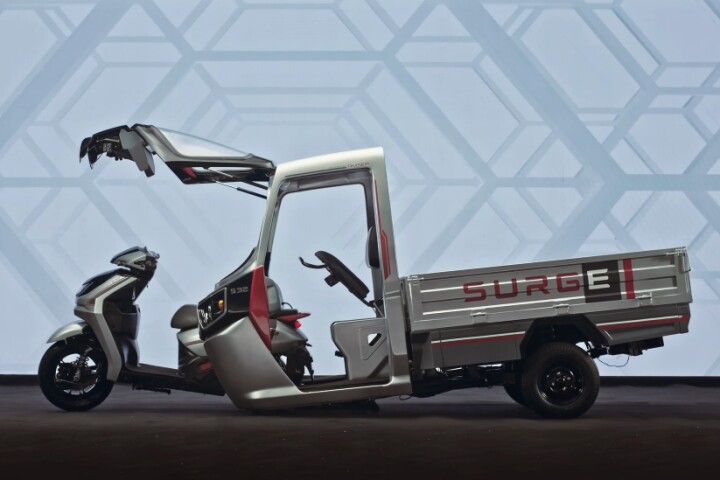
Surge S32 combines an electric auto-rickshaw with a detachable scooter
February 09, 2024While rickshaws are useful for hauling cargo in urban settings, scooters are much nimbler and easier to park. The Surge S32 combines both forms of transit in one modular vehicle, as it features a scooter that can be detached from a rickshaw body. -

Predator gaming brand rolls into e-mobility with the Extreme e-scoot
February 09, 2024Consumer electronics multinational Acer nudged into the electric mobility space last year with the cool-looking ebii ebike. Now its Predator gaming arm is joining the party with the Extreme e-scooter. -
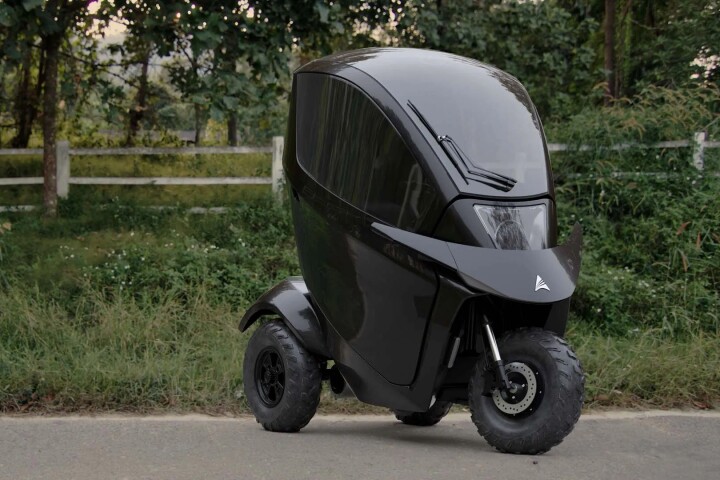
Tectus offers a snazzy new take on electric mobility scooters
February 08, 2024When most people think of electric mobility scooters, they likely picture rather unexciting-looking, decidedly "uncool" vehicles. The fully-enclosed all-wheel-drive Tectus, however, looks like the scooter Deckard might have used in Blade Runner 2049. -

Gogoro extends its battery-swapping e-scoot reach into Latin America
February 01, 2024Taiwan's battery-swap and e-scoot company Gogoro is about to land on South American soil, thanks to a partnership with energy company Copec. The move will see GoStations and electric Smartscooters roll out in Chile and Colombia. -

Train seating area folds back to take bikes as needed
January 15, 2024While it's always important to accommodate bicycle commuters, bike parking spots on trains can't seat non-cyclists when not in use. An experimental setup currently being trialled in Switzerland, however, may soon change that. -

US debut for Riley RS3 foldable and compact electric kickscooter
January 11, 2024The UK's Riley Scooter is gearing up to launch its award-winning RS3 electric scooter across the American market this April. Billed as the world's first high-quality, easily foldable, compact scooter, the RS3 is an attractive ride for city dwellers. -
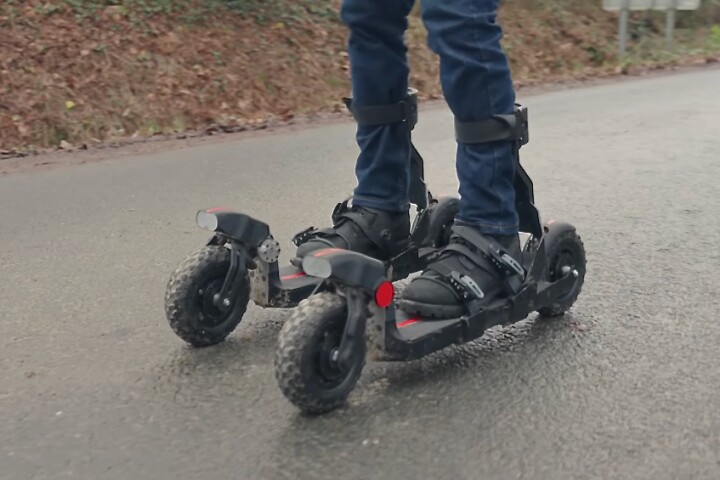
Skwheel One electric skis set out to turn urban streets into alpine slopes
January 09, 2024People looking for an ebike alternative can already choose between electric scooters, skateboards and roller skates. With the debut of the Skwheel One system, they now have another option – electric skis. -

Avvenire Leggera EV marks a new entry point for three-wheeled roadsters
December 14, 2023Two years ago we told you about the Spiritus, a three-wheeler which was part of Canadian firm Daymak's Avvenire lineup of EVs. Well, Avvenire is now its own company, and it has just unveiled the surprisingly accessible Leggera three-wheel roadster. -

Scootility utility e-scooter is set to haul urban cargo
December 12, 2023Electric scooters have become a pretty common sight on city streets, as they transport people from place to place … but what if they could do more? The cargo-hauling Scootility "utility scooter" was designed with that very question in mind.
Load More