





November 28, 2007 When tyre pressures drop below the optimal number, vehicles begin to suffer increased fuel consumption, increased tyre wear, increased risk of blowouts, and a reduction in braking and handling performance – which explains the rapid rise in the popularity of automated tyre pressure monitor systems. Fitting such a system to a bus that needs to operate in extreme weather conditions has its own set of design challenges, as BERU engineers discovered in the development of a system for Canada's Nova bus system.
Automotive engineering specialist BERU f1systems has developed a specific bus Tyre Pressure Monitoring System (TPMS) for Canadian firm Nova Bus and their new Nova LFS Artic bus.
“Implementing a TPMS on a 62 foot (18.9m) articulated bus presents a number of unique design challenges,” says senior application engineer, James Shingleton. “Achieving good radio frequency (RF) coverage along the full length of the bus requires robust technology and clever component packaging.” In this particular instance the harsh operating conditions of the vehicle was another major consideration as components must be protected from the elements.
“In car applications, antennae are normally positioned on the underside of the vehicle because it provides the best RF reception,” explains Shingleton. “However, with the exception of the front antenna, which is mounted behind a splash shield at the front of the vehicle, this was not feasible for Nova Bus due to potential damage caused by winter road conditions. To solve this problem, the middle antenna is located inside the cabin, while the two rear antennae are raised to a higher position in the chassis. The performance of our system, which is proven in some of the harshest motorsports environments, allows it to function reliably, even in these shielded locations.”
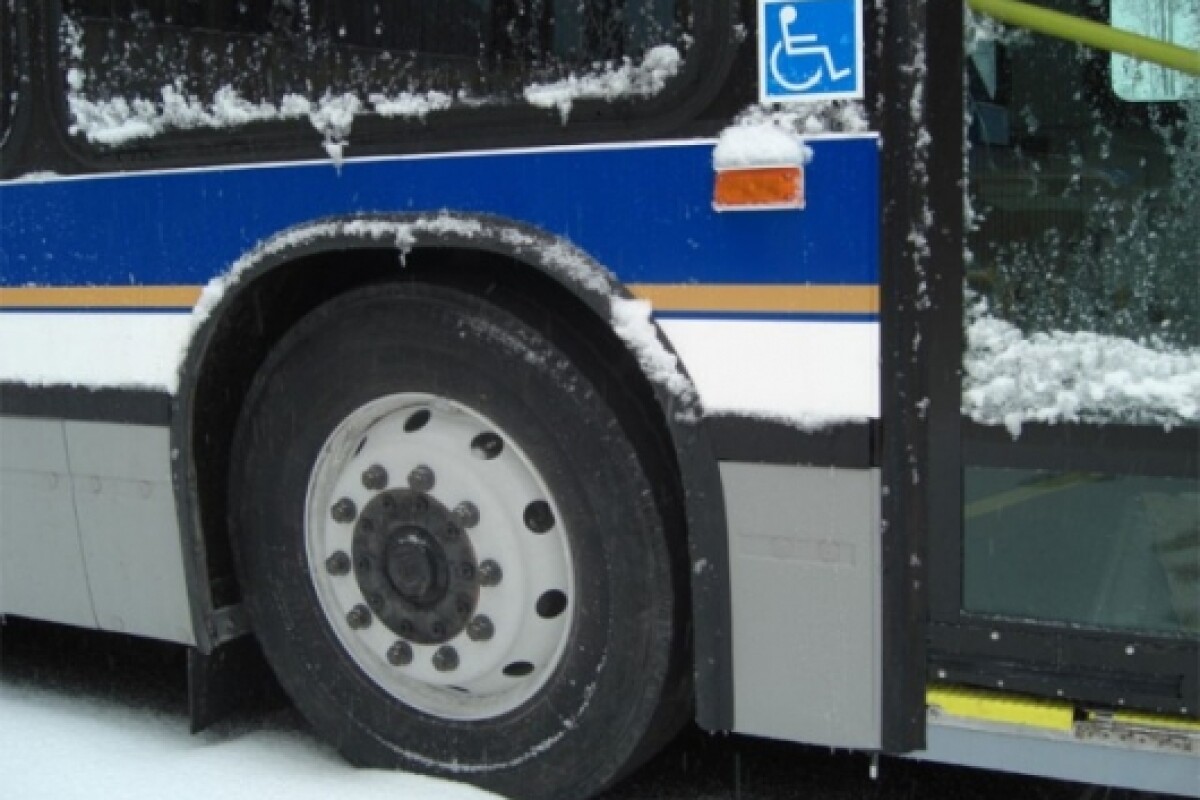
Nova bus vehicles are used across Canada all year round and operating conditions can become very severe. In winter, incredibly cold temperatures, huge snowfalls and very heavily salted roads create an extremely destructive environment for external components. The TPMS must function with minimal maintenance for the entire life of the vehicle, which can be up to 20 years. BERU f1systems’ existing solution, tested in all environments on rally cars, has achieved the required durability standards.
The Nova LFS Artic bus TPMS consists of four DGA+ antennae mounted on the vehicle (two for the rear axle, one for the middle axle and one for the front axle), eight wheel sensors (four on the rear axle, two on the middle axle and two on the front axle) and the new BERU f1systems 24V TPMS Bus ECU.


