
Wings
-
 Meet the X-66A, NASA's Sustainable Flight Demonstrator full-scale single-aisle research plane, featuring transonic truss-braced wings and designed to explore net-zero aviation emissions and more economical passenger flight near the speed of sound.
 -
 Flapping-wing drones may be more agile and energy-efficient than their fixed-wing counterparts, but most of them still can't loiter in one spot. A new model addresses that limitation by using a claw mechanism to perch in a bird-like fashion.
 -
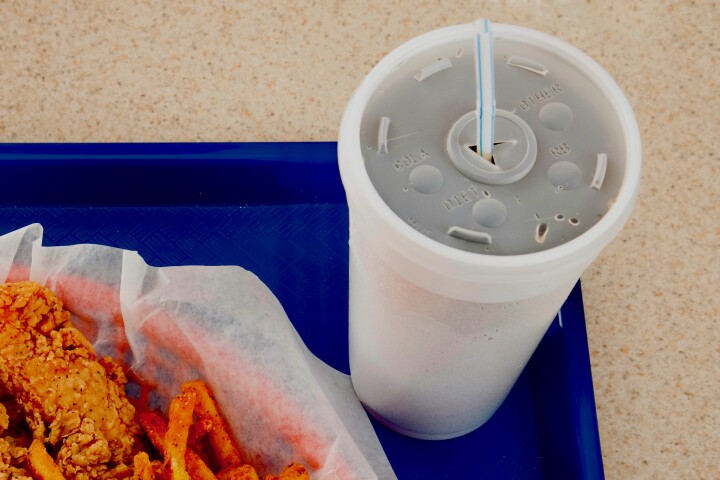 You may have noticed that on some drink cup lids, there are small domes that can be "popped down" to indicate what sort of beverage is in the cup. Scientists now believe that similar domes could help drones monitor the air pressure on their wings.
 -
 No matter how good our human designs may be, there’s no shame in copying Mother Nature’s homework. A new nature-inspired flying robot can flap its wings even more efficiently than an insect, using a unique electrostatic “zipping” mechanism.
 -
 In 2018, we heard how UK startup Volerian was planning to build a VTOL aircraft with a flapping-wing propulsion system. Although we've yet to see a working model, the company has now incorporated the tech into what it claims is a better room fan.
 -
 Although an airliner's engines may be very loud on takeoff, its wings also create a lot of wind noise when it's landing. According to a new study, the latter problem could be addressed with the addition of a shape-memory alloy filler within the wing.
 -
 You might remember RoboBee, an insect-sized robot that flies by flapping its wings. Unfortunately, though, it has to be hard-wired to a power source. Well, one of RoboBee's creators has now helped develop RoboFly, which flies without a tether.
 -
 Engineers at Caltech and the UIUC have developed the Bat Bot, a robotic bat with soft, flappable wings that could not only make for a safer alternative to keeping drones aloft with spinning blades, but also teach scientists more about the mechanics at work in natural bat flight.
 -
 Birds do hit trees with their wings, although their wings simply fold back under impact, then immediately fold open again to maintain flight. Now, scientists from Stanford University have developed wings for flapping-wing drones that do the same thing.
 -
 In January, we looked at FlexFoil; a variable geometry airfoil system that seamlessly integrates into the trailing edge of the wing. During the year the system has made the leap from the test bench to the sky, with NASA conducting tests of the FlexFoil on a modified Gulfstream III business jet.
 -
 Aaron Wypyszynski, founder of Alabama-based Wyp Aviation, is looking to combine elements of wakeboarding, skydiving and wingsuit flying with WingBoarding, which sees a rider towed behind a plane atop a winged board.
 -
 Bird populations around airports, landfills, and farms can be a nuisance or even dangerous; a new robotic flying bird of prey is claimed to be able to control such populations by scaring them away for good.
Load More