
Wind turbine
-
 The Andean condor’s drag-reducing aerodynamic wings have inspired the creation of a winglet, which, when added to a wind turbine blade, boosted energy production by an average of 10%, according to a new study.
 -
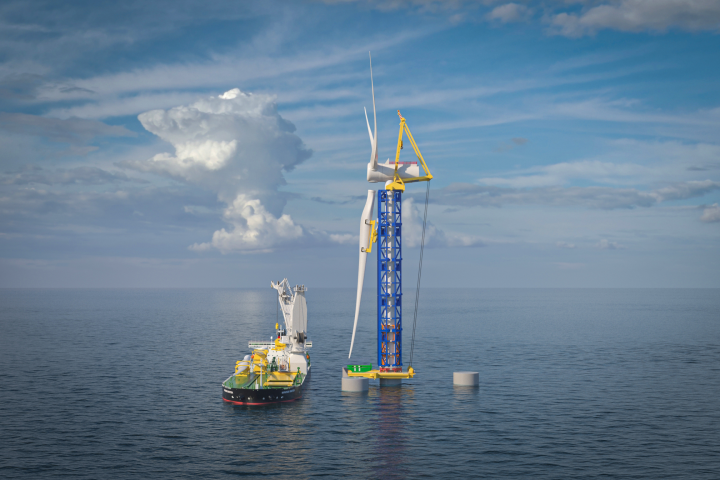 Part of the exorbitant cost of offshore wind energy is the massive crane ships required to install the damn things – but Norwegian company Windspider has come up with a brilliantly lightweight crane system that promises to slash costs in half.
 -
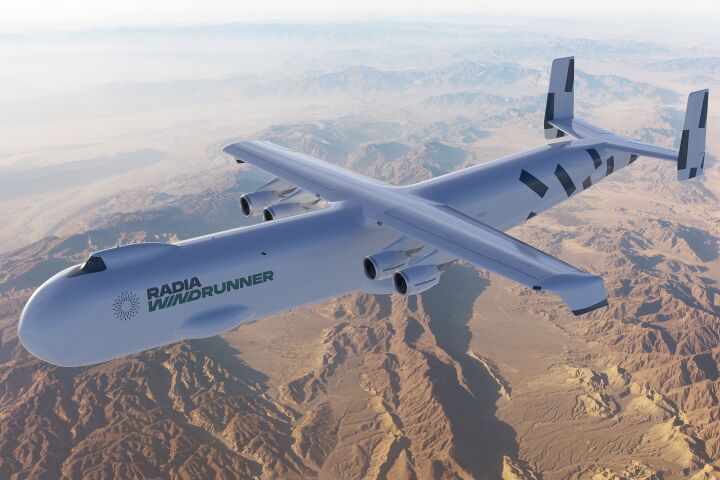 The 108-m (356-ft) long Radia Windrunner is designed to transport cargo too big for the road, to short, semi-prepared airstrips on rough terrain. It would dwarf the majestic 84-m (275-ft) long Antonov An-225 Mriya, which is sadly no longer with us.
 -
 China's Xuzhou Construction Machinery Group recently took its new XCA3000 wheeled crane to a wind farm in the Liaoning Province to lift a 25-ton blade some 107 meters above the ground, before it was installed in the turbine hub.
 -
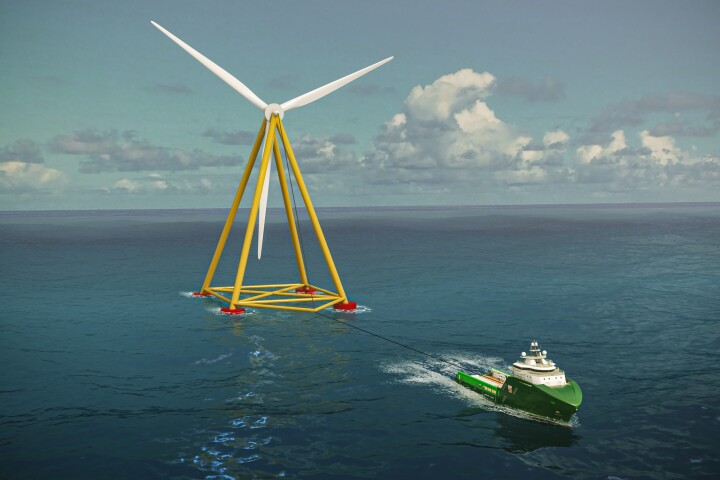 T-Omega's pyramid-based floating wind turbines are designed with the sole common-sense focus of keeping the cost of offshore wind down to an absolute minimum. With wave tank testing done, the company has now launched its first real-world prototype.
 -
 Not unlike the wings of airplanes, the blades of wind turbines need to be kept ice-free in order to function properly. Scientists have now developed an inexpensive method of using drones to apply an eco-friendly anti-icing coating to those blades.
 -
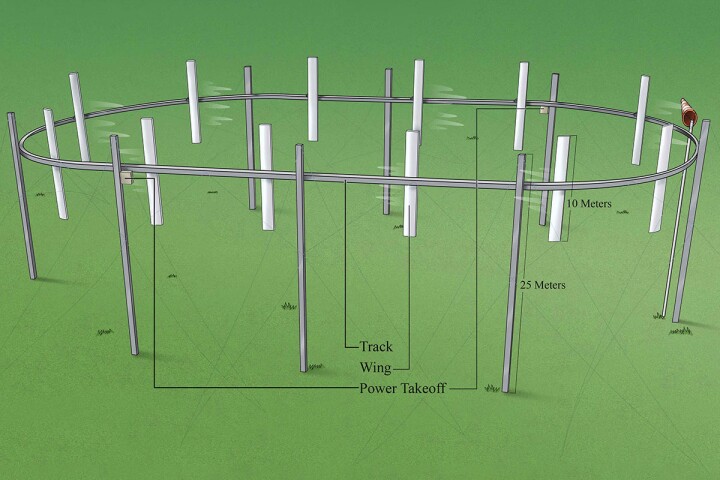 It looks nothing like a typical "fan on a stick" wind turbine, but this oval track with evenly spaced wing blades could be an enormously disruptive addition to the renewable energy mix, since it slashes the cost of wind power to unprecedented lows.
 -
 To build or maintain today's colossal wind turbine towers, you either need an absolute monster of a crane – or something like this. The KoalaLifter self-climbing crane is quick, compact, handles heavy loads and creeps up turbine towers of any height.
 -
 A wildly innovative turbine that could halve the cost of offshore wind is set to go into testing in Norway. The 19-m (62-ft), 30-kW, contra-rotating vertical-axis turbine is a prototype of a design that could scale to unprecedented size and power.
 -
 Imagine something as tall as New York's Chrysler building, but spinning. China's Mingyang Smart Energy has announced plans for a colossal 22-megawatt offshore wind turbine, and standing in its presence will be an unprecedented human experience.
 -
 We haven't seen a floating offshore wind turbine like this before. Touchwind claims its innovative single-blade turbines will solve several problems to drive down cost and downtime, using a single, huge blade with no fancy active pitch controls.
 -
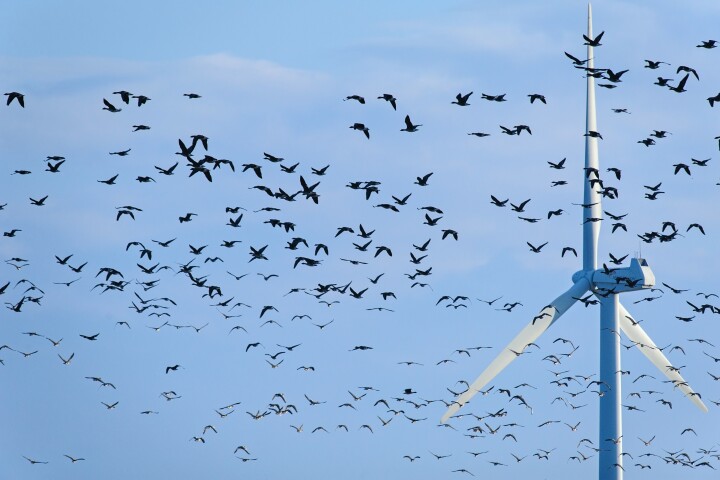 One inconvenient truth for the clean energy industry – and a source of seemingly great concern to the fossil fuel lobby – is the indisputable fact that wind turbines kill birds. Researchers say smarter turbines could dramatically cut the toll.
Load More