
Watercraft
-
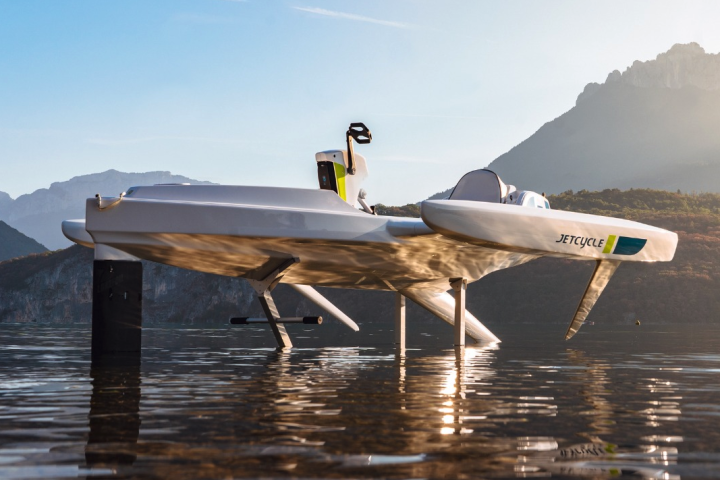 After debuting a hydrofoil water bike a few years ago, Jetcycle seems to have realized not everyone is up for the task of vigorously pedaling a foil. It's now adding an e-trimaran variant that kicks in e-assist and stability to ease the ride.
 -
 We've covered a few of Italian designer Pierpaolo Lazzarini's Jet Capsule compact motorboats since they hit the market back in 2013. The most recent version, which is set to be released in 2024, is dubbed the Jet Capsule Super Sport.
 -
 Although the Nemo submarine is billed as "the lightest manned submersible ever built," it's still typically hefted into the water via a crane on a yacht. The Beachlauncher offers an easier alternative, in which the sub is simply driven into the sea.
 -
 Rowing is a great form of exercise, not to mention a highly efficient means of traveling across the water, but … you're facing backwards the whole time. The RowVista system changes that, getting rowers facing in the direction they're headed.
 -
 Montreal's Taiga Motors has launched a new Performance version of its Orca electric Personal Water Craft, which boasts new hull, battery and propulsion technologies for clean and quiet fun on the water for under $20k.
 -
 While we have seen motorized kayaks before, they typically just have a motor that can be switched on and off. The Old Town Sportsman BigWater ePDL+ 132 is different, in that it features a pedal-electric propulsion system – it's like an aquatic ebike.
 -
 Turkish startup SealVans has launched two amphibious caravan models that combine the features of a boat and a traditional caravan. The amphibious vehicles are a unique solution for adventurous families who want to explore both land and sea.
 -
 French champion of pedal power, Stéphane Rousson, is developing a twin-prop waterbike designed to beat a 30-year-old world record for the fastest human-powered watercraft. The first prototype has been built and tested on the water.
 -
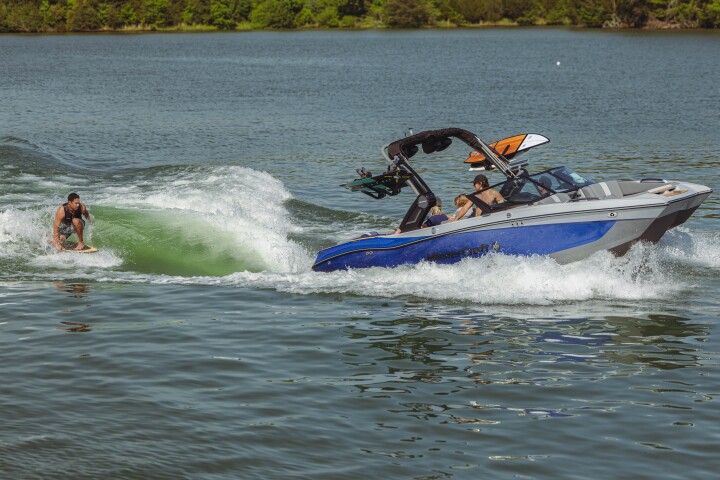 Ever since boats became capable of pulling someone behind them, the idea of jumping and playing on the waves has been a thing. Today, however, wakesurfing technology has improved this activity immensely – thanks largely to companies like MasterCraft.
 -
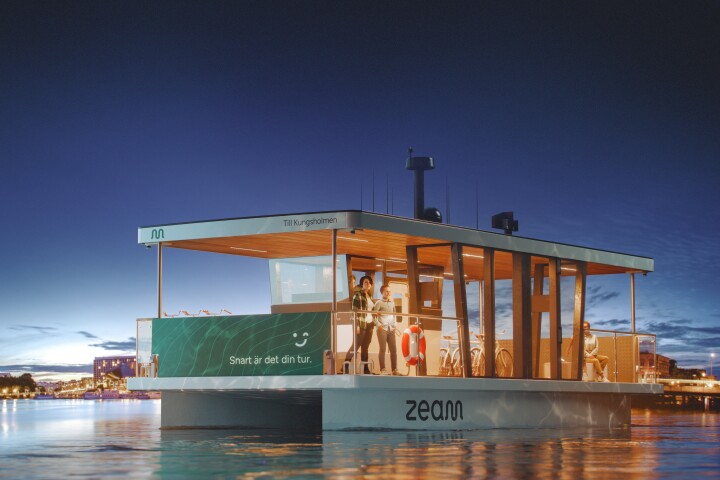 Norwegian shipping company Torghatten AS is due to launch what's billed as the world's first commercial autonomous and electric passenger ferry, which will start making regular trips between islands in central Stockholm, Sweden, later this year.
 -
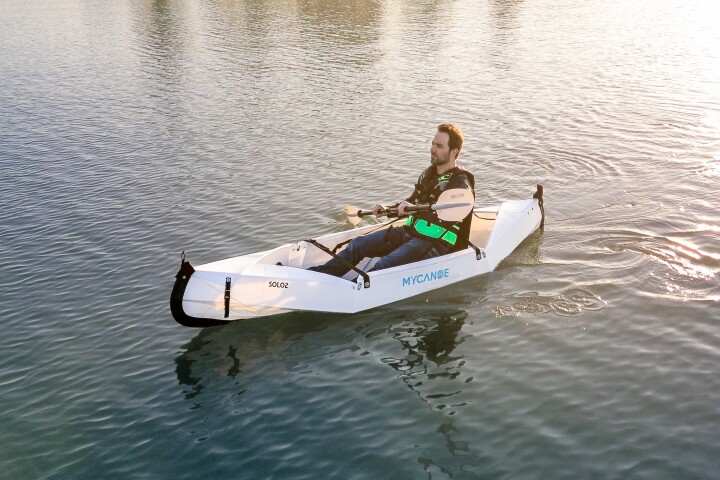 Six years ago we first heard about the MyCanoe, a two-person canoe that folds up like origami for transit and storage. Its makers are now back on Kickstarter with the smaller, lighter MyCanoe Solo 2.
 -
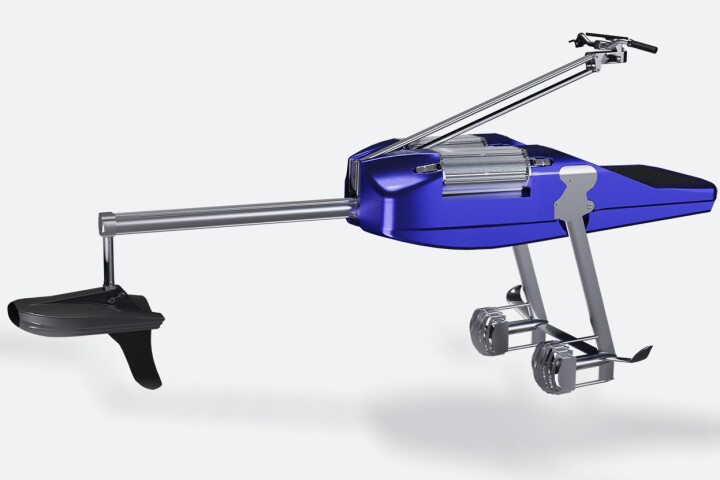 There are now quite a few electric hydrofoil (e-foil) boards on the market, and most of them are pretty similar to one another. With its handlebars, dual motors and dual external battery packs, however, the HydroBlade definitely stands out.
Load More