
Waste
-
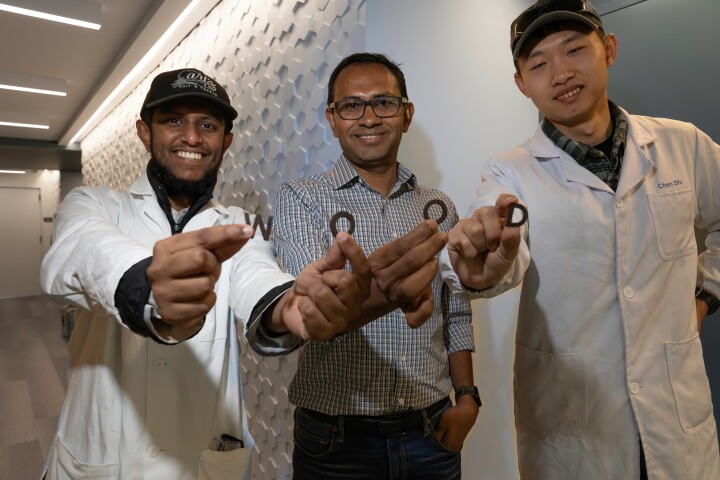 Scientists have developed a new "ink" that allows objects to be 3D-printed out of wood. The material could reduce the amount of wood that gets wasted in the manufacturing of various products, plus it could utilize existing wood waste.
 -
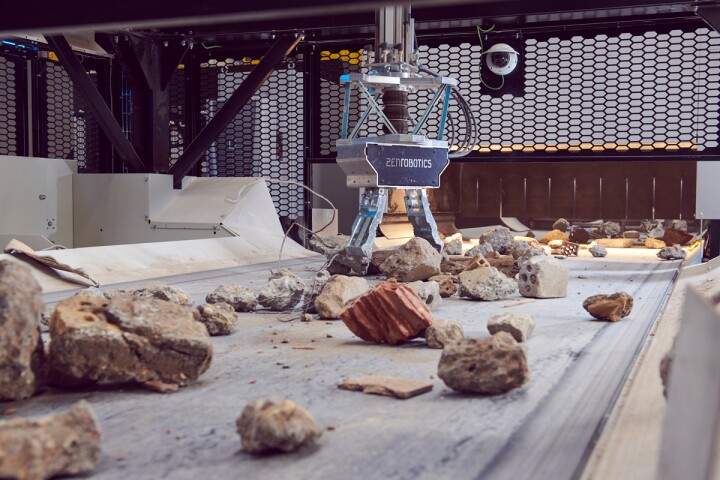 Sorting trash is one of those tasks that people can get pretty tired of, pretty fast. That's why ZenRobotics makes robots that do the job. The company's latest generation is particularly trash-savvy, as it can ID over 500 types of waste.
 -
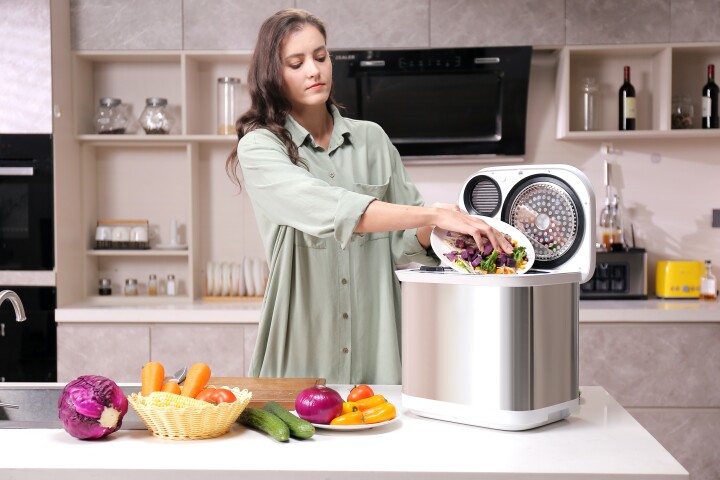 Although we should try to keep as little of our organic waste as possible from going to the landfill, not everyone has the outdoor space for a compost heap. The Puresky Waste Composter is designed to help, by moving the composting indoors.
 -
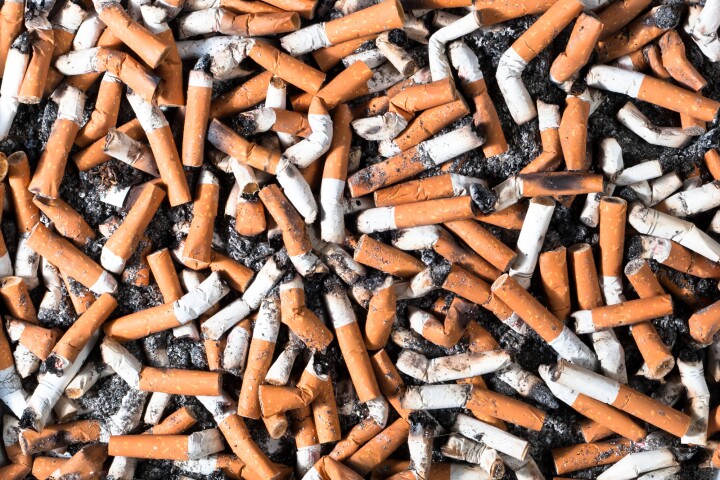 To drive down the cost of biodiesel, researchers have developed an eco-friendly way of extracting triacetin, a combustion-enhancing additive, from an abundant waste source, cigarette butts, both reducing waste and providing a sustainable use for it.
 -
 Disposable diapers are a huge source of global waste, largely because they're difficult to recycle. A new process, however, could salvage the "superabsorber" polymer utilized in the liners of those diapers – and yes, even if they're soiled.
 -
 Researchers have turned lignin into nanoparticles that can create a transparent coating with antifog properties or a colorful antireflective surface, transforming this abundant waste product into a useful material with diverse applications.
 -
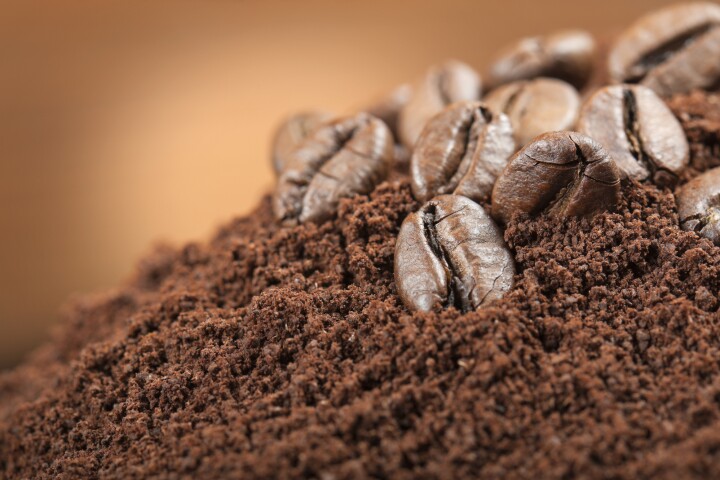 Researchers have made concrete 30% stronger by replacing a percentage of sand with spent coffee grounds, an organic waste produced in huge amounts that usually ends up in landfill. The method offers a greener approach to construction.
 -
 There are now several devices that help you keep food waste out of landfills by converting it to compost … but what if you don't have a garden? Well, the Mill converts such waste into dried grounds which are sent off to feed chickens.
 -
 It may be delicious and healthy, but fruit is frustratingly fickle, often going bad quickly in the fridge. Now, researchers in Thailand have developed an invisible, edible coating made with cannabidiol (CBD) that can preserve fruit for much longer.
 -
 Hydrogen sulfide famously stinks like rotten eggs. It's also toxic, corrosive, flammable and produced in large amounts as an expensive by-product at petroleum refineries. Now, researchers have found an easy, profitable way to turn it into hydrogen.
 -
 As compared to traditional agriculture, hydroponic farming uses less space and less water, plus it requires no soil. It still does require a growth medium, though – and scientists have recently created a better such medium, derived from human hair.
 -
 Discarded electronics can be a gold mine – literally. Researchers have developed an efficient new way to use graphene to recover gold from electronic waste, without needing any other chemicals or energy.
Load More