
Walk
-
 A new underwater robot can swim through the water with fins, and walk or crawl along the bottom when necessary. These capabilities could really give it a leg up – pun fully intended – at outperforming its traditional thruster-powered counterparts.
 -
 Researchers are developing a robotic exoskeleton platform that could overcome the limitations of treadmills used during the rehabilitation of the many stroke survivors who have problems walking.
 -
 A new robotic exoskeleton could allow people who have lost the use of their legs to stand up and even walk. It may also help get them walking unaided again, by guiding their movements and holding them up as they take part in rehabilitative therapy.
 -
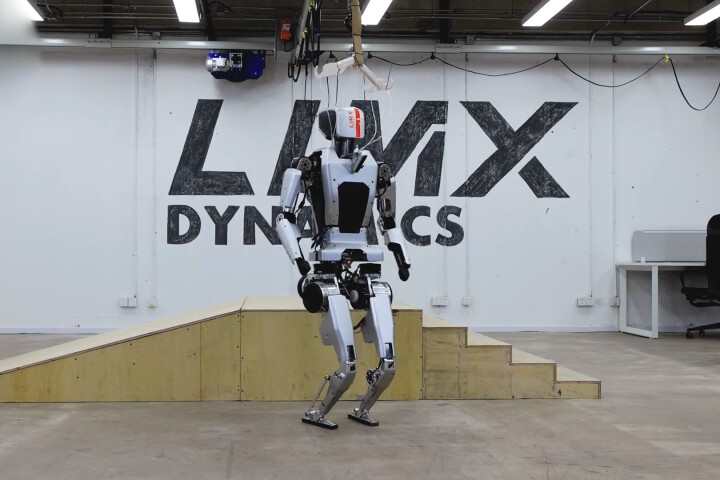 When we last heard from LimX Dynamics, the Chinese robotics firm was showing off a quadruped robot that could walk on legs or roll on wheels. The company has now released a video of its new humanoid robot, which can autonomously climb stairs.
 -
 People with Parkinson's disease often develop a problem known as "gait freeze," in which their legs simply stop stepping forward as they're walking. A new exoskeleton, however, has proven to be very effective at keeping such individuals' legs going.
 -
 Shift Robotics aimed to get folks walking faster back in 2022, with a Kickstarter project for strap-on powered wheels called Moonwalkers. Now the Carnegie Mellon spinoff is launching a business-specific variant called the Moonwalkers X.
 -
 Walking bipedal robots excel at tasks such as traversing uneven terrain, but because they're so mechanically complex, they can't be made very small. That could soon change, however, thanks to the development of the Mugatu robot.
 -
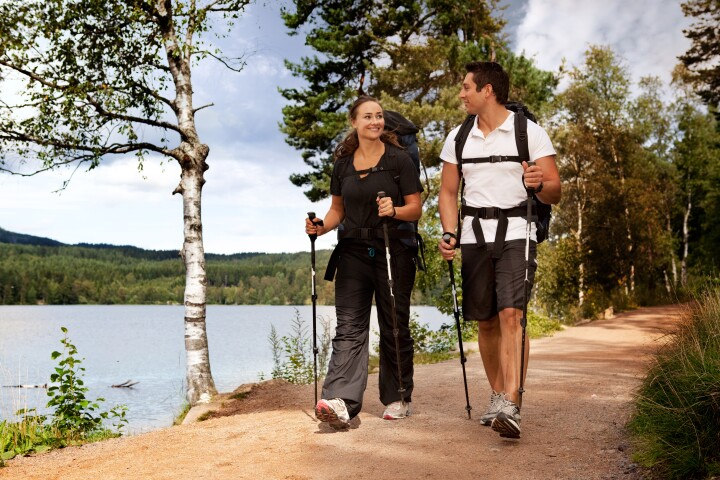 While it's known that regular walking can help you ward off diabetes, a new study attempts to quantify the speed that maximizes the exercise's benefits. It turns out a little extra pep may go a long way toward cutting your risk of the disease.
 -
 Researchers have undertaken a worldwide meta-analysis to look at the minimum number of steps needed to reduce the risk of dying and found that it takes far fewer steps than we first thought to reap the health benefits of walking.
 -
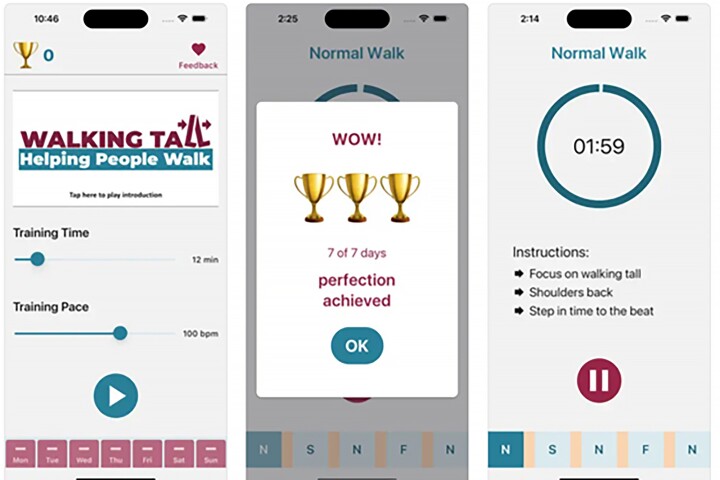 For people with Parkinson’s disease, the simple act of walking can require constant mental vigilance, which is exhausting. Researchers have developed a free app that people with Parkinson’s can use to improve their gait and reduce the likelihood of falls.
 -
 Whether you're an athlete or someone experiencing foot pain, it's important to eliminate high-pressure areas in the soles of your shoes. An experimental insole could help, by showing where such areas are located during a variety of activities.
 -
 Admit it – when you walk on one of those "moving sidewalks" at an airport, you like to pretend that you're easily able to stroll at superhuman speeds. Well, Rollkers are designed to give you that same sensation, as you walk down city streets.
Load More