
VTOL
-
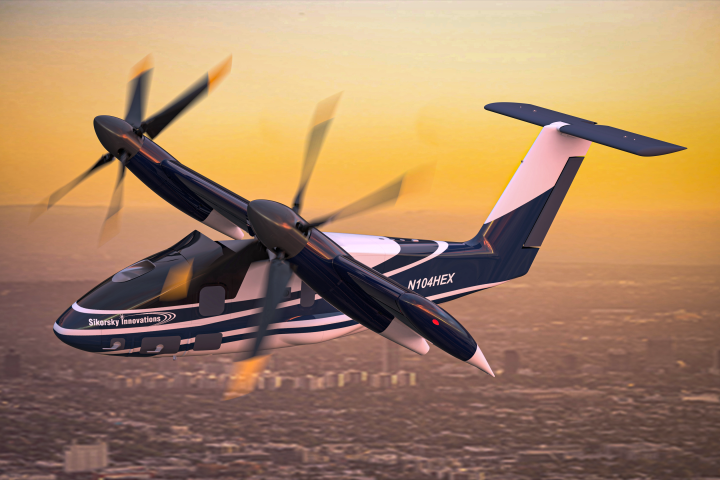 Sikorsky is developing a hybrid-electric vertical takeoff and landing (HEX/VTOL) tilt-wing demonstrator. It's part of a new family of aircraft that'll run the company's new MATRIX autonomy suite, so it'll fly with or without a pilot.
 -
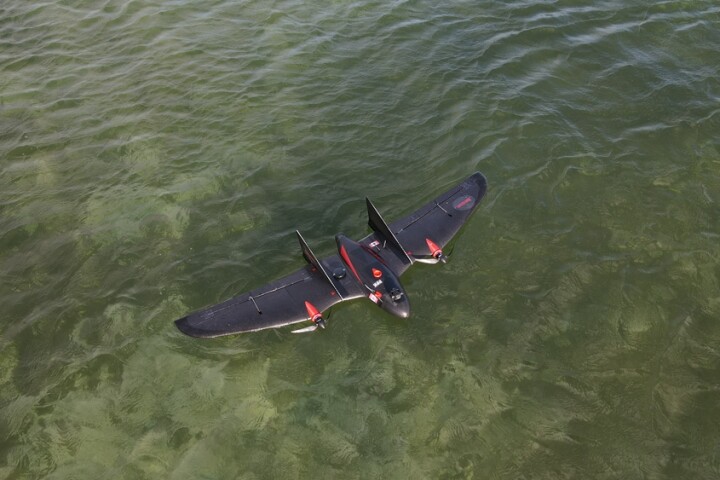 If you've ever tried flying a drone, you'll know how hard it can be to land one in just the right place … now imagine trying to land one on a boat out at sea. The VT-Naut is designed to make things easier, by performing belly landings on the water.
 -
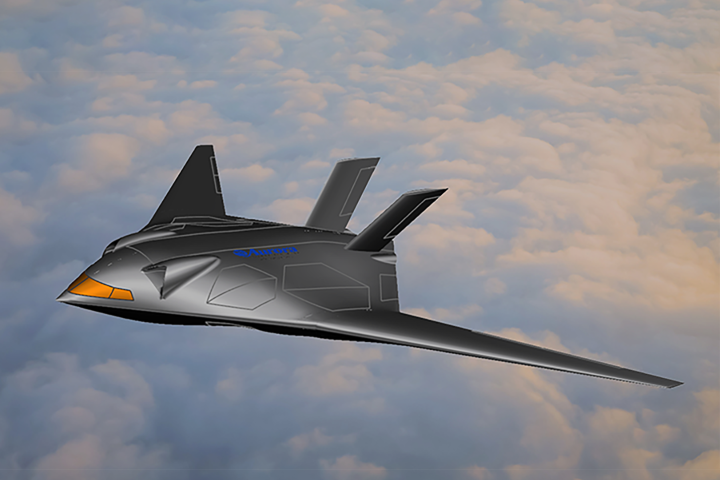 DARPA has announced the four companies that will compete for the contract to design, build and test an X-Plane demonstrator capable of high-speed cruise, hover and VTOL for its Speed and Runway Independent Technologies (SPRINT) project.
 -
 London startup Lyte Aviation is thinking big when it comes to VTOL aircraft. Forget your piddly five-seaters, Lyte says its first aircraft will be a 44-seat monster with a 300-km/h (186-mph) top speed and a range over 1,000 km (620 miles).
 -
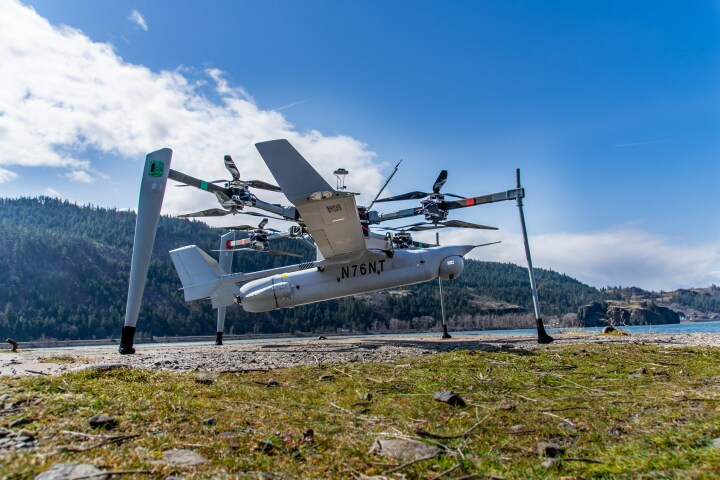 VTOL drones may be versatile, but the weight of their extra hardware results in a shorter range than that of fixed-wing-only drones. That's where the FLARES system comes in, as it lets fixed-wing drones make vertical takeoffs and landings.
 -
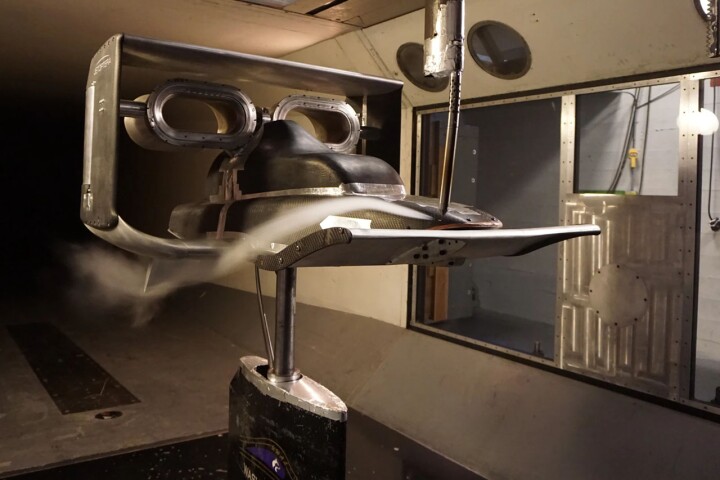 Like bladeless Dyson fans on steroids, Jetoptera's unique aircraft propulsion systems look like pure sci-fi. But they're beginning to demonstrate some fascinating capabilities in testing, and the next step will be a super-fast VTOL aircraft design.
 -
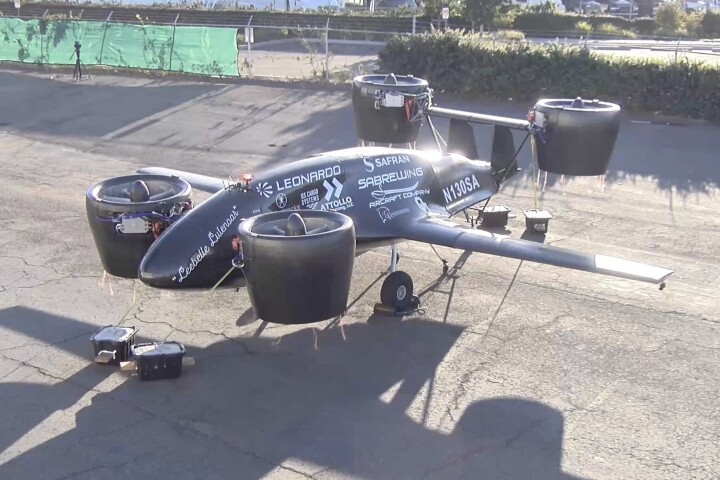 It goes without saying that the heavier a load an aircraft can carry, the more useful that aircraft becomes. Well, the RG-1-A Alpha has reportedly just broken a record, by "dead-lifting" more weight than any autonomous VTOL has previously managed.
 -
 This wonderfully odd idea appears to have genuine potential to radically improve the power, speed, efficiency, payload capacity, range, endurance and ground footprint of a wide range of VTOL aircraft and drones. We've never seen anything quite like it.
 -
 VTOL (vertical take-off and landing) aircraft are a popular choice for passenger-carrying "air taxis," but it's easy to forget that they also make for quite versatile consumer drones. One such beast, the Swan Voyageur, could be yours for US$1,299.
 -
 Jetpack Aviation has debuted a flight-ready prototype of its P2 Speeder, a sleek carbon fiber "Motorcycle of the Sky" that can carry first responders over hundreds of miles and hit speeds of up to 500 mph in autonomous mode.
 -
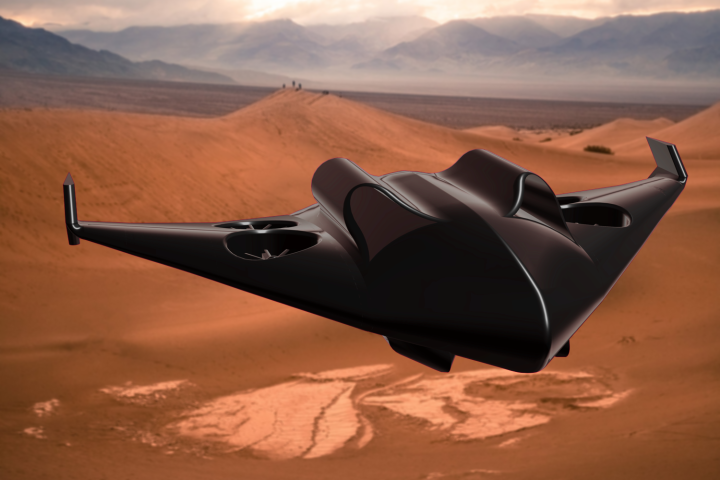 Reno-based Valkyrie Systems Aerospace has received a research grant from the US Air Force to further develop its remarkable HoverJet Guardian concept, which combines electric VTOL and high-speed jet cruise with amphibious and hovercraft capabilities.
 -
 San Francisco's Elroy Air has revealed its pre-production Chaparral C1, an autonomous VTOL lift & cruise cargo drone running on a hybrid-electric system that allows it to transport loads up to 500 lb over distances up to 300 miles.
Load More