
Vision
-
 Blinking keeps our eyes moist – but we actually blink way more often than we need to if that was the only reason. Scientists have now found that the involuntary action plays a bigger role than we thought, helping us process visual information.
 -
 Imagine waking up one day and seeing every face distorted into demonic proportions. That’s reality for patients with a rare condition called prosopometamorphopsia (PMO), and a unique case study has now given us a glimpse through their eyes.
 -
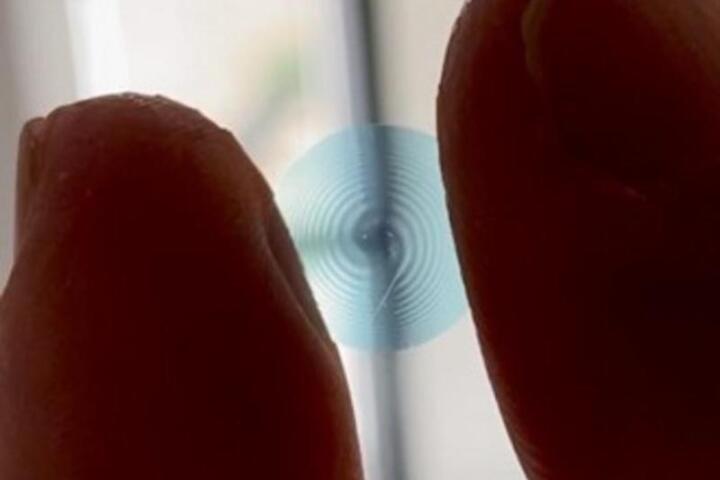 Scientists have developed a new type of lens that creates multiple focal points, which could make for glasses or contacts that provide a clearer view over a range of distances. The secret? Making the lens a spiral shape.
 -
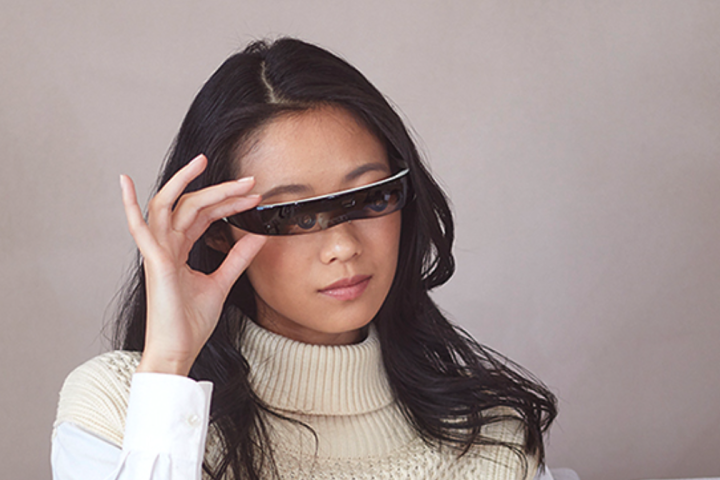 The lenses in our eyes stiffen as we age, making it harder to switch focus between different distances. But autofocus systems are now getting so compact and efficient that they fit in a set of glasses – provided you don't mind looking a bit dorky.
 -
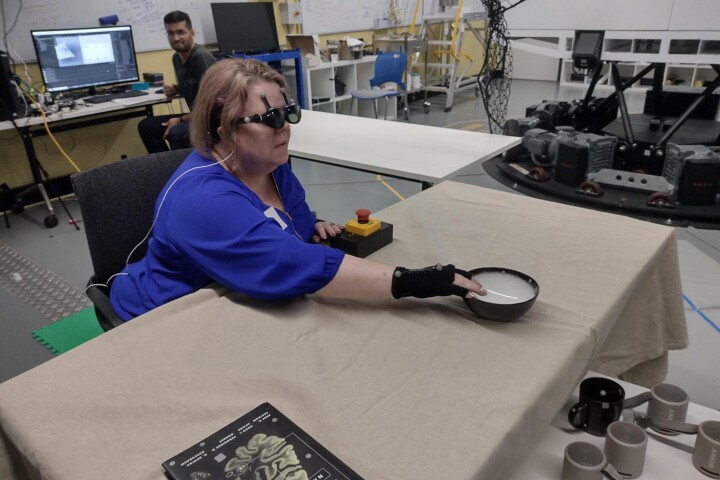 Inspired by bats’ use of echolocation, researchers have developed smart glasses that transform visual information into unique sound representations that enhance the ability of blind and vision-impaired people to navigate their surroundings.
 -
 In fast-paced sports such as tennis, keeping your eye on the ball – and on your opponent – is essential to success. The FalconFrames wearable was designed with that fact in mind, as it's claimed to help boost its user's neuro-visual skills.
 -
 In a phase 1 clinical trial, scientists have demonstrated that corneal transplants, grown from a patient’s own stem cells, can successfully restore some vision after an eye injury.
 -
 Caused by bacterial infections or disease, thinning of the cornea can lead to blindness if not addressed. An experimental new injectable material could help keep that from happening, by thickening compromised corneas when triggered by blue light.
 -
 Most snakes can only see the colors blue and green, along with ultraviolet light in some cases. New research, however, suggests that sea snakes have evolved to actually regain the wider-color vision of their earliest ancestors.
 -
 Most of the impacts of a warming planet are fairly obvious. But here's a strange one: researchers have found that older adults living in climates with higher average temperatures suffer a significantly increased rate of serious vision impairments.
 -
 Inspired by the human eye, researchers have created a tiny device that captures, recognizes and memorizes images enabling it to make quick, real-time decisions based on what it sees. The device could one day be used in self-driving cars.
 -
 It goes without saying that the cameras on self-driving cars can't see around the corners of buildings. The ORCa computer vision system, however, could one day allow them to do so … with a little help from shiny objects that they can see.
Load More