
Virginia Tech
-
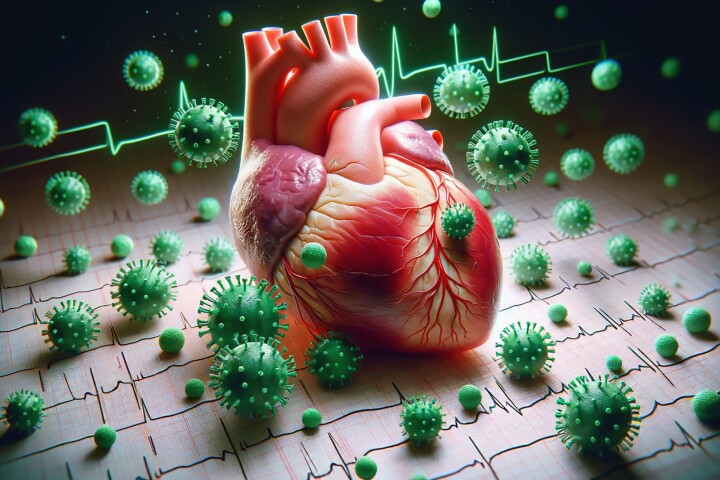 Inflammation from a viral infection has traditionally been thought to cause acute myocarditis, which can lead to fatal heart arrhythmias in healthy young adults. Now, it seems it's something else that damages heart cells before inflammation kicks in.
 -
 Ordinarily, adhesive tape either boasts a strong hold or is easy to remove. Drawing inspiration from an ancient paper-cutting technique, however, scientists have now devised a method of combining both qualities in existing types of tape.
 -
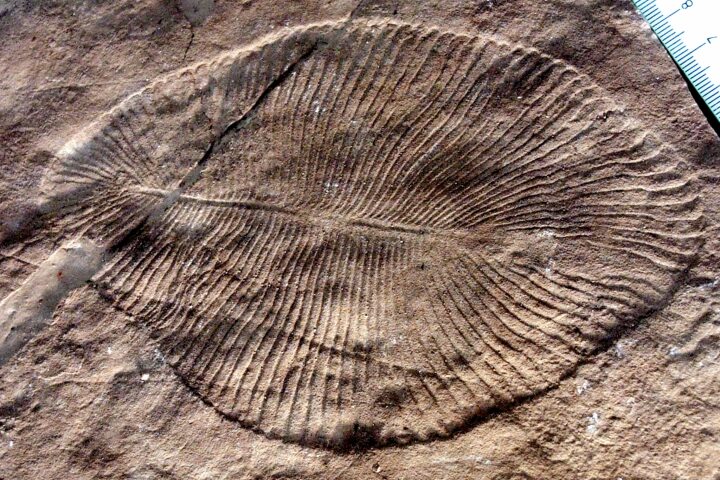 It's thought the Earth is currently entering its sixth major extinction event, but a new study suggests it may actually be the seventh. Scientists have found evidence of a previously unknown mass extinction event that struck half a billion years ago.
 -
 Polystyrene is a problematic material when it comes to recycling, but a team of Virginia Tech researchers is hoping to change this with a novel method that turns it into a product of relatively high value.
 -
 Scientists have developed a glove for gripping underwater objects that takes its design cues from an octopus, featuring rubber suckers and a sophisticated sensing capability that mimic the sea creature's unique muscular and nervous systems.
 -
 Most robots are designed for a specific job, and aren’t very adaptable. But a new soft robot can morph into a range of shapes for driving, flying or swimming, thanks to a rubber skin full of a metal that switches between liquid and solid forms.
 -
 Not only are surgical scars unsightly, but their limited elasticity can also reduce the patient's range of motion. There may be new hope, though, as a recent study has shed light on how a therapeutic peptide could drastically reduce such scarring.
 -
 Soft robots and flexible electronics aren't as protected as their rigid-shelled counterparts, so they're more likely to get ripped or punctured. A new stretchable, self-healing conductive material was designed with this limitation in mind.
 -
 Engineers at Virginia Tech have developed a new, more efficient solar still design. Inspired by mangrove roots, the "synthetic tree" mimics the natural process of transporting water up through roots and stems into leaves.
 -
 Ducks have specialized feathers that keep them from getting too wet. Now, engineers at Virginia Tech have investigated the physics behind how they work and developed synthetic feathers that could help ships glide through the water more easily.
 -
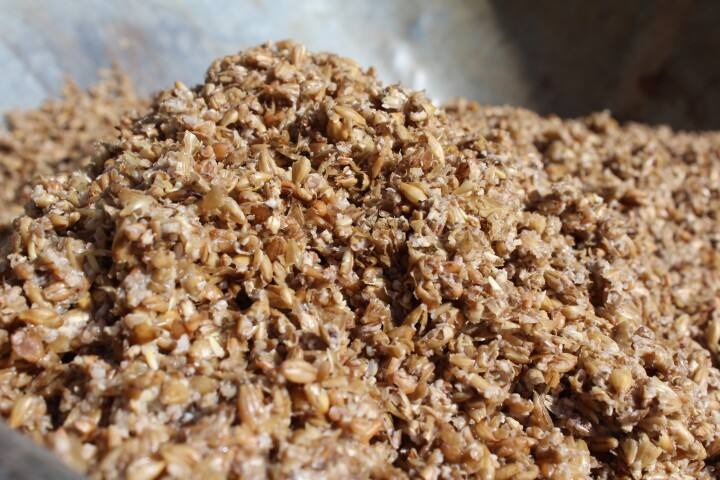 The brewing of beer produces great quantities of leftover grain, which often ends up being processed into cattle feed. Scientists have developed a new method of extracting the protein and fiber from that waste, however, for use by humans.
 -
 Dopamine and serotonin are brain chemicals implicated in a range of neurological disorders including Parkinson’s and depression. A new tool is offering an unprecedented look at these neurotransmitters in action.
Load More