
University of British Columbia
-
 New research has found that daily users of crystal methamphetamine who turned to cannabis to manage their cravings used the stimulant drug less, especially female users. The findings suggest a new harm-reduction strategy is needed.
 -
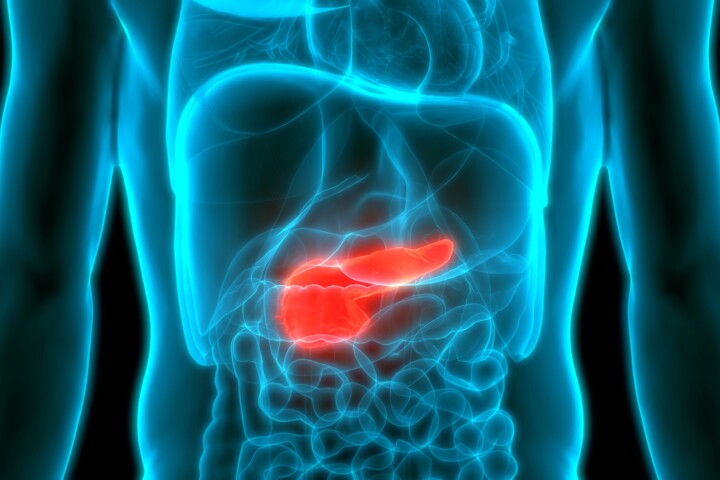 A study has linked elevated blood insulin levels and pancreatic cancer. The researchers say their findings may lead to new cancer prevention strategies and targeting treatments to slow or prevent the progression of the cancer.
 -
 Locating diamond deposits in the earth isn't always an exact science, so the greater the number of methods of doing so, the better. A new study now suggests that soil microbes may point the way to such buried treasures.
 -
 A new study has found that four major childhood allergies share a common feature: an imbalance of gut bacteria during infancy. Researchers say that correcting this imbalance could potentially prevent lifelong allergic diseases.
 -
 Researchers may have found an effective, green way to remove microplastics from our water using readily available plant materials. Their device was found to capture up to 99.9% of a wide variety of microplastics known to pose a health risk to humans.
 -
 Farmers around the world regularly burn post-harvest crop waste, producing a significant amount of greenhouse gases and air pollution in the process. A new portable system, however, can be brought to farms to convert that waste into useful products.
 -
 Saturn has overtaken Jupiter as the planet with the most known moons in the solar system. Astronomers have announced a bumper crop of 62 new moons orbiting the ringed planet, pushing its total to well over 100.
 -
 Scientists have discovered a completely new branch on the tree of life. This “supergroup” contains an incredibly diverse range of predatory microbes that are extremely different genetically from any other form of life on Earth.
 -
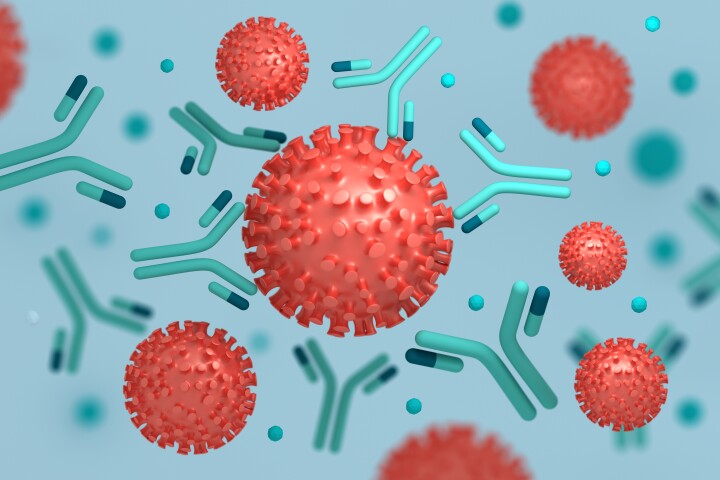 A study has homed in on a part of the SARS-CoV-2 spike protein that is shared across all variants. The research reveals an antibody fragment that can block the virus from entering human cells, paving the way for therapies to neutralize all variants.
 -
 In a new study, researchers have accidentally discovered that an existing cancer drug shows promise in slowing the progress of Duchenne Muscular Dystrophy, by changing the type of muscle fibers to be more resilient.
 -
 How do whales gulp down huge amounts of water and krill without drowning themselves with every mouthful? Researchers have now discovered an “oral plug” in the throats of some species that blocks either their airways or esophagus as needed.
 -
 Developing pliable power sources to go with wearable electronics is an important field of research, and scientists have put forward an impressive solution they say could be the first ever battery that is both flexible and washable.
Load More