
UCLA
-
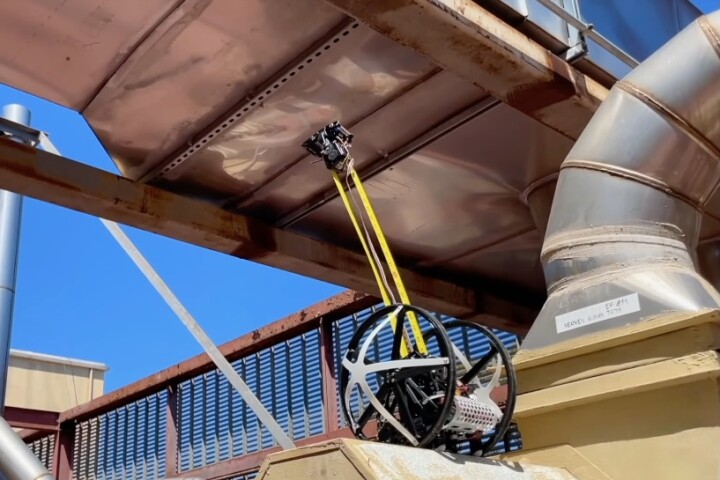 A new wheeled robot is able to climb metal structures in a clever and unique way – it uses an extendible tape-measure limb. Descendants of the bot may one day find use inspecting or repairing things like towers, bridges, power stations and ships.
 -
 The world’s largest ocean-based carbon dioxide removal plant is being built in Singapore, and will be capable of capturing 8 million lb of CO2 per year while also producing 231,000 lb of carbon-negative hydrogen.
 -
 A 12-week Kundalini yoga course provided test subjects a range of measurable brain benefits including improved memory, anti-aging and anti-inflammatory effects, according to new research from UCLA, suggesting it could help prevent Alzheimer's disease.
 -
 A new study may explain the variable severity of SARS-CoV-2 from person to person. Using AI-driven machine-learning researchers discovered the virus is broken down into fragments, and this debris resembles peptides that overstimulate the immune system.
 -
 A new UCLA study has found how a keto diet induces changes in the gut microbiome that could protect treatment-resistant epileptic children against seizures. This discovery opens the door to the development of new therapies that can prevent seizures.
 -
 You don't have to be a chemistry whiz to know that making a drug for $3 is a damn sight better than its current price tag of $3,200. The scientists behind this never-before-seen method centered around copper and oxygen say it's an industry game-changer.
 -
 Immunotherapy is a promising cancer treatment, but it can take too long. In a new study, scientists have taken steps towards an “off-the-shelf” therapy that could be mass produced and quickly rolled out to patients with a variety of cancer types.
 -
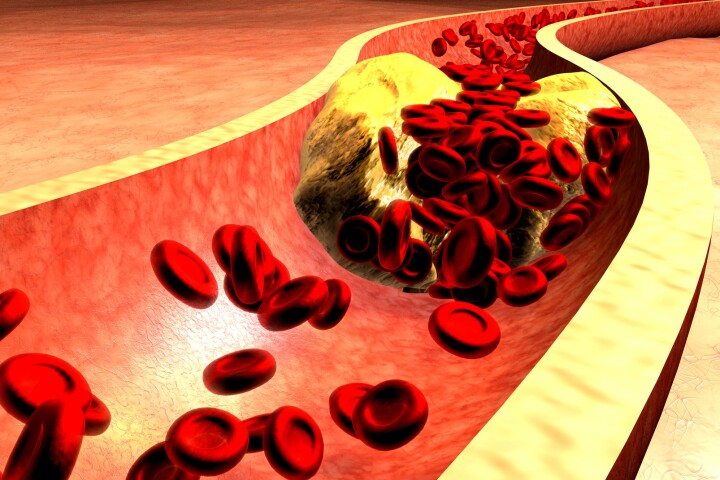 Researchers have identified a previously unknown step in the process by which dietary cholesterol is absorbed from the intestine into the bloodstream. The newfound pathway provides a potential new target for treating high cholesterol.
 -
 Researchers used repetitive magnetic stimulation on the brain of a man who’d had a stroke 12 years ago, improving his walking speed, balance, and coordination. The innovative treatment offers hope to others affected by stroke, even years after.
 -
 Researchers have mapped the nerve pathways that supply brown adipose tissue, or ‘brown fat’. It’s the first step in developing a way of stimulating the nerves to burn fat as a novel treatment for obesity and related metabolic conditions.
 -
 Smart textiles and patches are the near future of home health monitoring. The latest in this burgeoning field of medical therapies is one that impressively keeps an eye on your muscles in real time, helping with both injury recovery and prevention.
 -
 Scientists have used fossilized megalodon teeth to estimate the ancient shark’s body temperature, and found it wasn’t exactly a cold-blooded killer. Strangely enough, that might have contributed to its downfall.
Load More