
Tumors
-
 Shifting from giant accelerators 26 km (16 miles) across to brain surgery theaters, a particle detector first developed by physicists at CERN is being used by scientists in Germany to treat brain tumors with greater precision and safety.
 -
 No matter how important something is, too much of anything is bad for you. Scientists have now put that principle to work to kill cancer, with a new drug that causes calcium to build up and choke the tumor to death.
 -
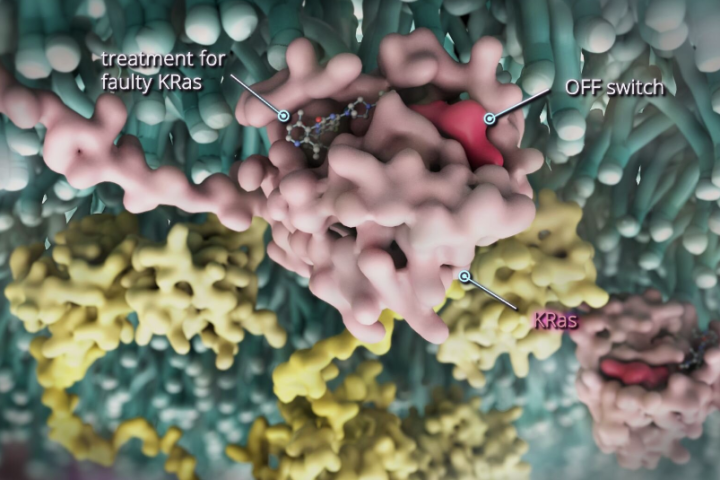 In what has already been tagged as a “game-changer” for cancer treatment, the potent once-a-day tablet known as divarasib has continued to impress at Phase 1b trial stage, outperforming not just current therapies but its previous trial results.
 -
 Typically thought of as candy, the root form of licorice has long been used in traditional Chinese medicine to treat a range of conditions. Now, a new study shows that a compound from the root is highly effective at fighting pancreatic tumor growth.
 -
 Certain gut bacteria have been linked to colon cancer, but now they might get a chance at redemption. Scientists have engineered “pickpocket” bacteria to detect colorectal cancer, with a 100% success rate in mouse tests.
 -
 Scientists have long known that the engine room of cells, the mitochondria, play an essential role in the growth of cancer. Now, they have the clearest picture yet of just how the energy organelles form complex structures within lung cancer tumors.
 -
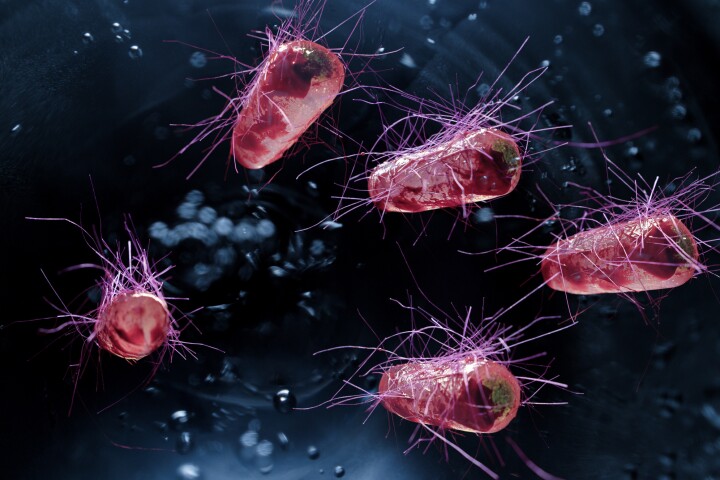 Cancer tumors are particularly adept at evading the body’s immune response, making treatment difficult. A new study has genetically engineered a common gut bacteria, enabling it to seek out and destroy cancer tumors from the inside.
 -
 Detecting circulating tumor cells among healthy blood cells is notoriously hard. Now an easy-to-use device can ID even a small number of cancer cells, potentially providing a huge breakthrough in non-invasive early detection, monitoring and treatment.
 -
 Using the same whipping siphon used in the culinary world, researchers have created a food-based foam that can be injected directly into tumors. The foam contains oxygen, which makes tumors more susceptible to chemotherapy and radiation treatments.
 -
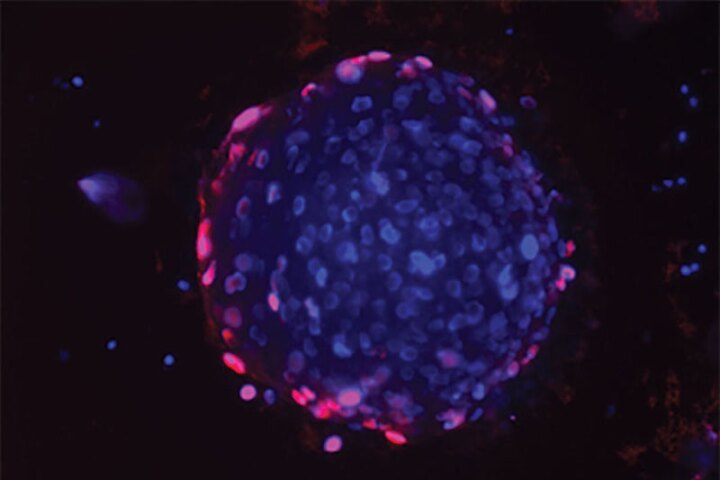 Immunotherapy is a promising cancer treatment, but getting it to work against solid tumors is difficult. A new study has not only identified a drug that’s effective against solid tumors, but may have uncovered a reason that immunotherapy often fails.
 -
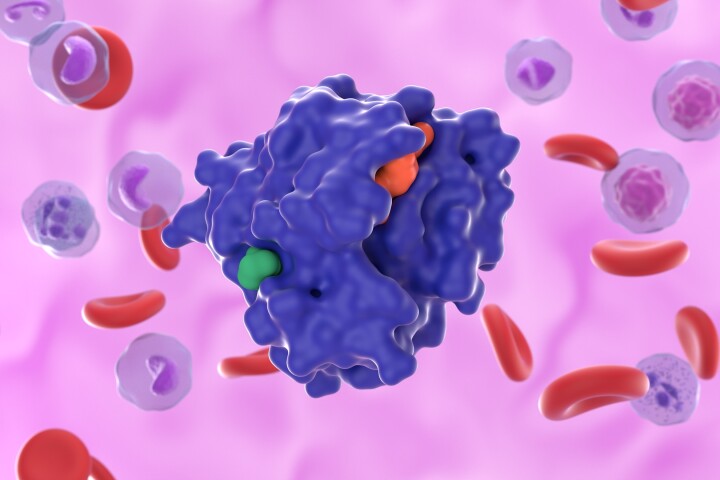 Scientists at the University of California San Francisco have found a way to fight one of the most common cancer-causing mutations. The new drug puts up an “eat me” marker that can help the immune system or other drugs find and kill the cancer.
 -
 Researchers have created a new mRNA vaccine for cancer that’s designed to carry its cargo to the lymph nodes rather than the liver. Tests in mice showed significant inhibition of the tumors, with complete remission in a decent percentage of cases.
Load More