
Transparency
-
 Lenovo has unveiled a ThinkBook concept that boasts a futuristic transparent display and combined touch keyboard/drawing pad. The concept is part of the company's new tech offerings announced at Mobile World Congress in Barcelona this week.
 -
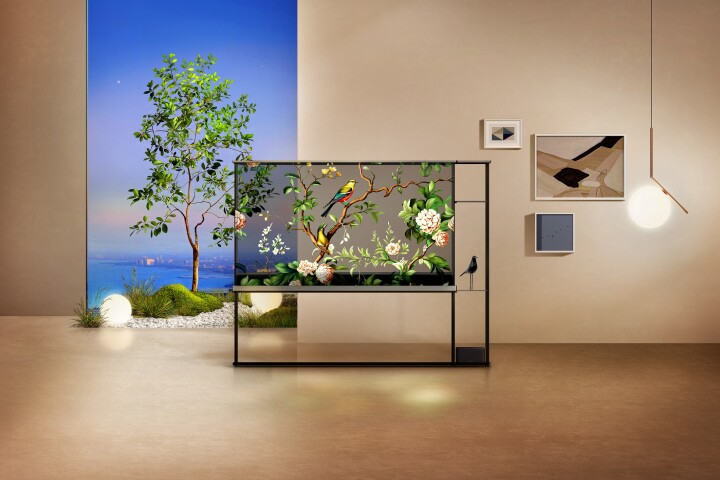 Back in mid-2014, LG unveiled its first experimental transparent OLED display panel. That measured just 18 diagonal inches, but now the company has revealed a 77-inch transparent OLED television that's almost completely wireless.
 -
 Today's internet- and cellular-connected cars require antennas more than ever, but working the devices into vehicles' bodies limits the design possibilities. LG is out to change that, with a windshield-integrated transparent antenna.
 -
 A large percentage of a building’s energy usage is consumed by heating and cooling, but a new dynamic shading system could help. Inspired by the skin of krill, the system uses cells of blooming pigment that can block light on demand.
 -
 Though LG Display's transparent OLED technology has mostly been presented in concept form, the panels have made it out into the real world. And the company is hoping to seed more potential use cases with a bunch of new prototypes headed for CES 2022.
 -
 Scientists at Sweden's KTH Royal Institute of Technology have produced a completely renewable version of see-through wood thanks to the addition of a fruit peel extract, which also happens to make it more translucent than previous versions.
 -
 Would transparent solar cells installed in greenhouse roofs deprive plants of vital sunlight? To find out, researchers at North Carolina State University grew lettuce under various wavelengths of light, and found that the plants did just fine.
 -
 Though transparent display panels have been available for a while now, real-world applications have been few and far between. LG Display has some ideas that could change that, and plans to show off some everyday usage examples at CES 2021.
 -
 Folks entering shopping malls, airport lounges and office buildings could soon be welcomed by colorful greetings, important messages and of course adverts as they approach the sliding doors, thanks to a partnership between LG and Assa Abloy.
 -
 Earlier in the year, LG Display showed its vision for the aircraft cabin of the future, which included transparent OLED partitions. Now the company has installed the technology in subway train windows.
 -
 China's Xiaomi has launched a new TV as part of its 10th anniversary celebration. The Mi TV Lux Transparent Edition brings sci-fi into the living room with an edge-to-edge self-luminous television that you can see through.
 -
 Three years ago, we heard how scientists from Sweden's KTH Royal Institute of Technology had created transparent wood – it could serve as a cheaper alternative to the silica-based glass used in windows and solar cells. Now, the material is additionally able to store heat and later release it.
Load More