
Television
-
 Back in mid-2014, LG unveiled its first experimental transparent OLED display panel. That measured just 18 diagonal inches, but now the company has revealed a 77-inch transparent OLED television that's almost completely wireless.
 -
 One of the tech highlights of CES 2023 back in January was a battery-powered totally wireless television from startup Displace. The company is returning to Las Vegas in January to add to the family with a 27-inch Mini model and a 55-inch Flex.
 -
 There's a new global news network launching in 2024 which completely ditches humans for AI-generated newsreaders – and they're showing off some superhuman capabilities that make it very clear: the days of the human news presenter are numbered.
 -
 Back in 2020, Samsung introduced a bunch of Terrace 4K televisions that were optimized for use outdoors. Now the company has launched its biggest family member to date, an 85-inch monster that commands an equally monstrous price.
 -
 Rather than trail wires around the room for a home theater audio setup, Dolby's new technology pairs a big-screen television's own sound system with wireless speakers spread across the room – "transforming any seat into the best seat in the house."
 -
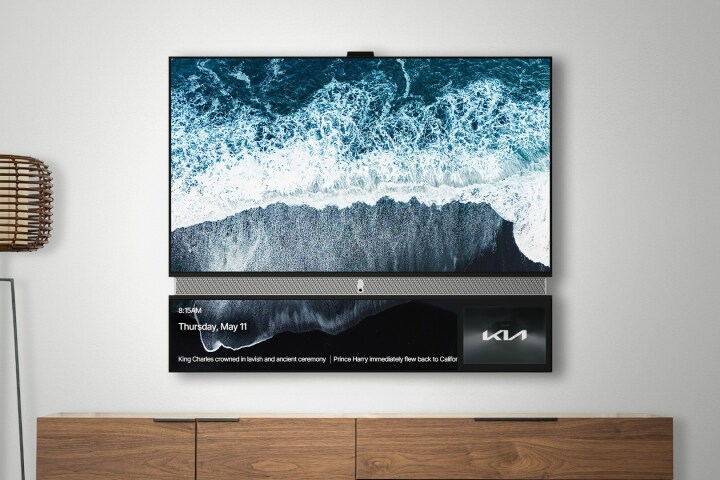 Back in May, a startup emerged from stealth offering the prospect of a free 55-inch 4K television to avid gogglebox watchers. The catch? A second screen underneath feeding frequent adverts. Now Telly has started shipping the "free TV" to US households.
 -
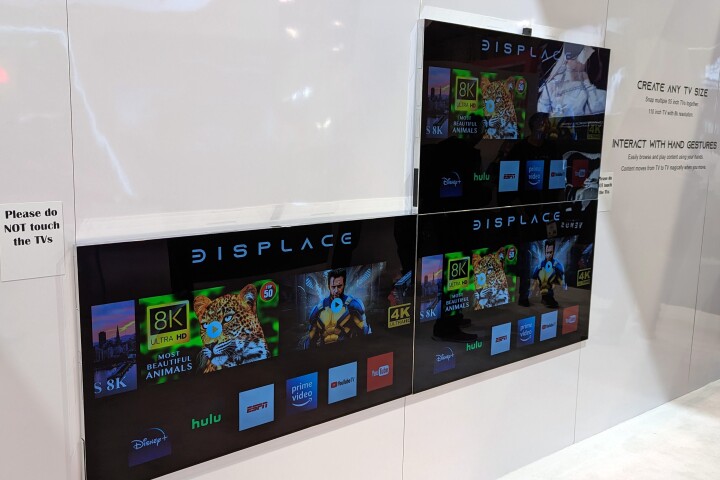 At CES 2023, Displace showed how its futuristic, battery-powered 55-inch 4K TV utilizes a special pop-up camera to recognize gesture controls and a proprietary active-loop vacuum seal to adhere itself to walls.
 -
 From a TV remake of a classic 1980 film to Adam Sandler playing an astronaut who befriends a giant alien spider, the next 12 months are set to deliver some weird and wild science fiction and fantasy titles.
 -
 Whether you're furnishing a hyper-realistic dollhouse or you just like marveling at miniaturized tech, the TinyTV 2 may be just what you're looking for. And if it's still too big for your liking, you might want to check out its even smaller sibling, the TinyTV Mini.
 -
 LG has debuted the MAGNIT 4K 136-inch luxury television at CEDIA 2022, which combines AI-enhanced processing, a smart TV platform and Micro LED technology for the promise of "an extraordinary home cinema, digital art and entertainment experience."
 -
 Researchers at NIST have shown that a cloud of atoms can be used as a receiver to pick up video transmissions. The team demonstrated this “Atomic Television” by transmitting live video feed and even video games through the atoms to a monitor.
 -
 As part of its sizable presence at the K-Display 2022 expo this week, LG Display has revealed a 97-inch OLED TV panel that not only promises a brighter big-screen viewing experience, but also uses the surface of the display as a huge sound system.
Load More