
Sustainability
-
 A perfect storm is brewing for China's cities due rising sea levels and accelerated subsiding land. Scientists have now sounded the alarm that, without intervention, urban areas below sea level will triple by 2120, impacting up to 128 million people.
 -
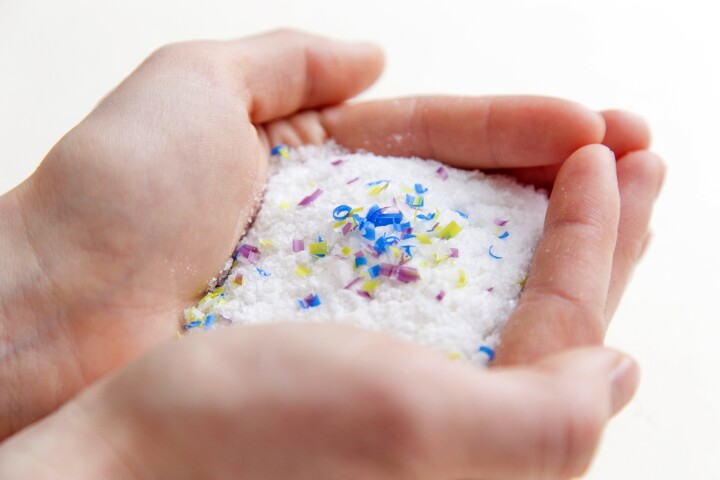 Even when it’s ground into microparticles, 97% of an algae-based plastic biodegrades in compost and water in under seven months, a new study has reported. The researchers hope their plastic will eventually replace existing petroleum-based ones.
 -
 A new type of storm-resistant fish farm could make aquaculture operations more eco-friendly. The submersible structure is designed to stay in the deep waters of the open ocean, where it should have less environmental impact than shore-adjacent pens.
 -
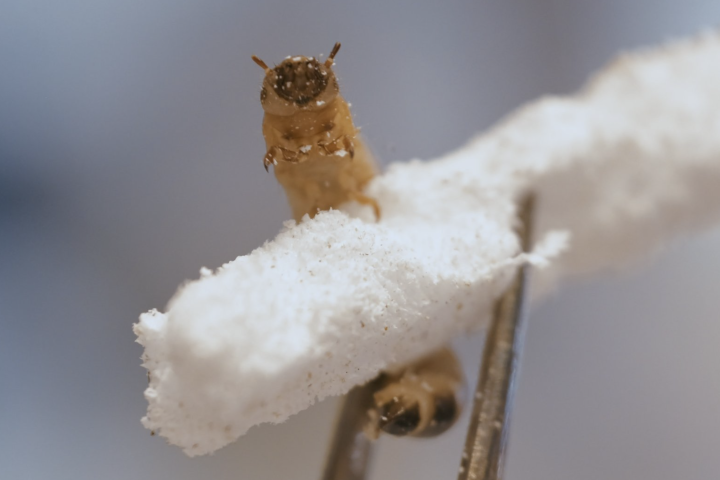 Scientists have created a lab-grown microbiome like the one found in a tiny plastics-munching worm, and it has the potential to efficiently and sustainably biodegrade the world's most common and troublesome plastics – all without the need for the worms.
 -
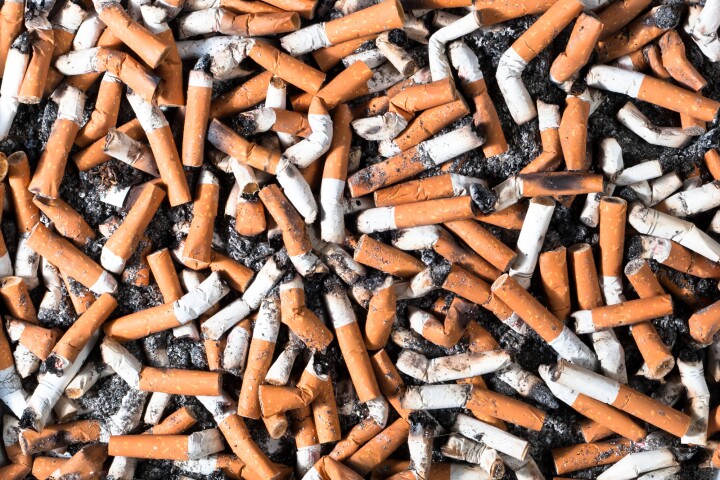 To drive down the cost of biodiesel, researchers have developed an eco-friendly way of extracting triacetin, a combustion-enhancing additive, from an abundant waste source, cigarette butts, both reducing waste and providing a sustainable use for it.
 -
 A kangaroo riffing on his air guitar, a sentient snowball, a face-planting seabird, a comically depressed owl and a twinkle-toed otter are among the funny, candid images that shone brightest in this much-loved, feel-good wildlife photography contest.
 -
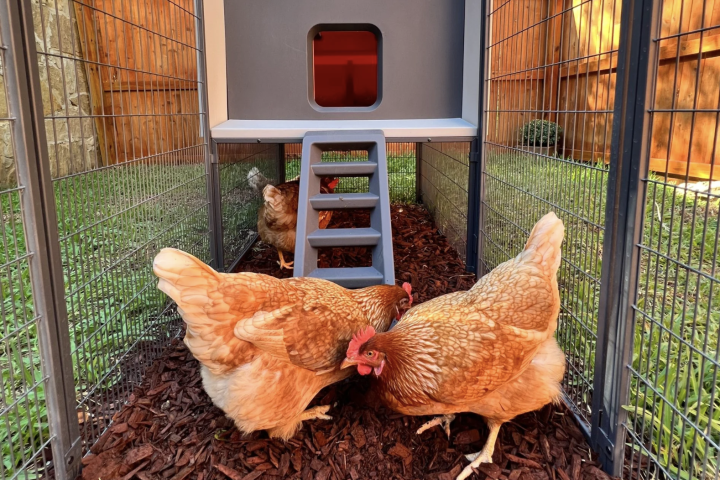 More than 17 million US households now have chickens. The world's first smart Coop, which is an ideal gateway to help novices raise chooks, has now rolled out Cluck Talk, which can tell you just what your chatty birds are saying to each other and to you.
 -
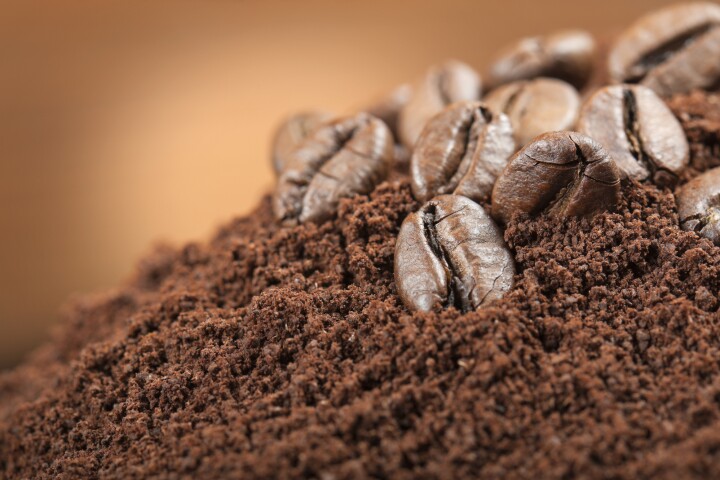 Researchers have made concrete 30% stronger by replacing a percentage of sand with spent coffee grounds, an organic waste produced in huge amounts that usually ends up in landfill. The method offers a greener approach to construction.
 -
 For all its uses, plastic is unfortunately one of our least sustainable materials. Now, scientists at Berkeley Lab have developed a way to engineer bacteria to produce raw materials that can be made into plastics that are completely recyclable.
 -
 Conventional breeding of trees takes time, but CRISPR gene editing should help speed things up. Now, scientists at North Carolina State University have used CRISPR to adjust the genomes of poplar trees to make them easier to turn into paper products.
 -
 In an effort to create low-cost, sustainable housing, researchers have created a composite material by replacing sand in concrete and mortar with a common, non-degradable waste product: used disposable diapers. But would you build your house with it?
 -
 A massive multinational grapples with the dual challenges of decarbonization and a shift toward sustainable materials. Michelin is pushing change on a generational timeline, and showed us some new prototypes, as well its latest-gen factory lines.
Load More