
Supersonic
-
 Boom has been given permission to go supersonic by the US FAA. The first-ever Special Flight Authorization (SFA) to Exceed Mach means the company's XB-1 prototype will be allowed to break the sound barrier during its test flights.
 -
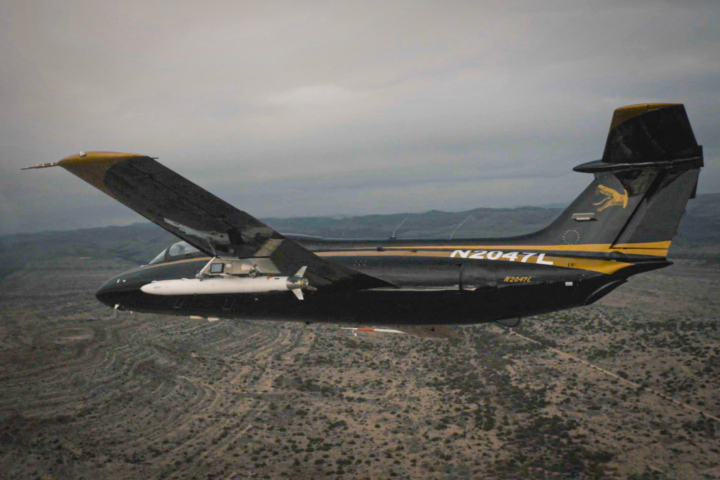 A supersonic drone that will be propelled by a revolutionary new engine has taken to the skies for the first time. When Venus Aerospace's aircraft does go supersonic on a later date, it will be powered by a Rotating Detonation Rocket Engine (RDRE).
 -
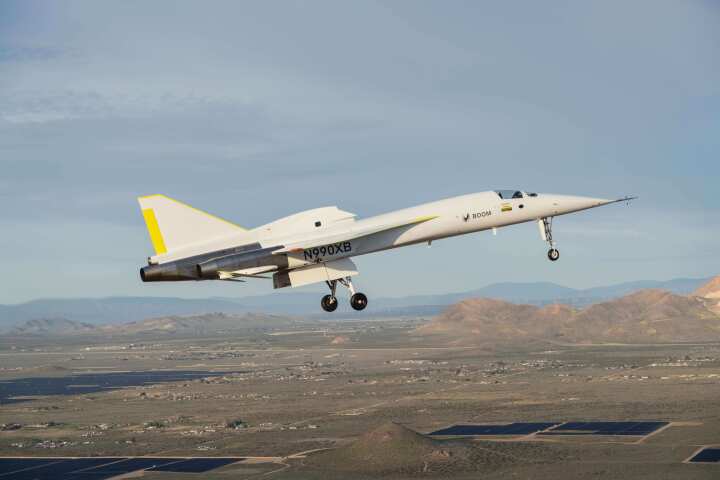 The first private supersonic aircraft since Concorde retired two decades ago has successfully taken to the skies. On March 22, Boom's XB-1 supersonic demonstrator completed its maiden flight at the Mojave Air & Space Port in Mojave, California.
 -
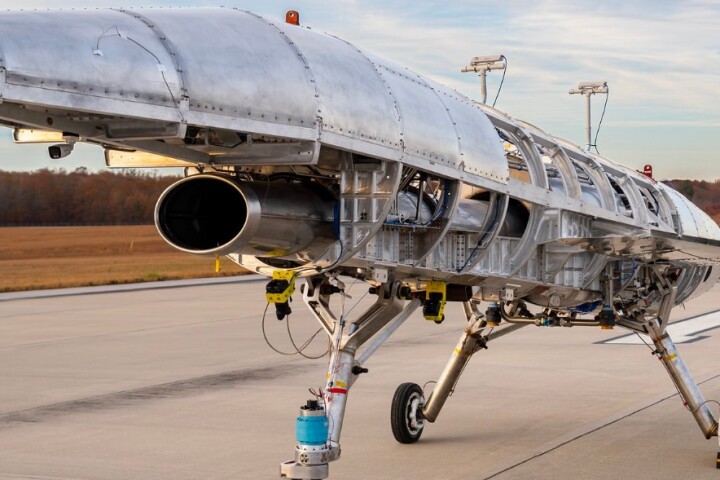 In a bid to outdo the world speed record of the famous Lockheed SR-71 Blackbird spyplane, aerospace technology company Hermeus has completed ground testing of its first fully-integrated prototype vehicle called Quarterhorse Mark 0.
 -
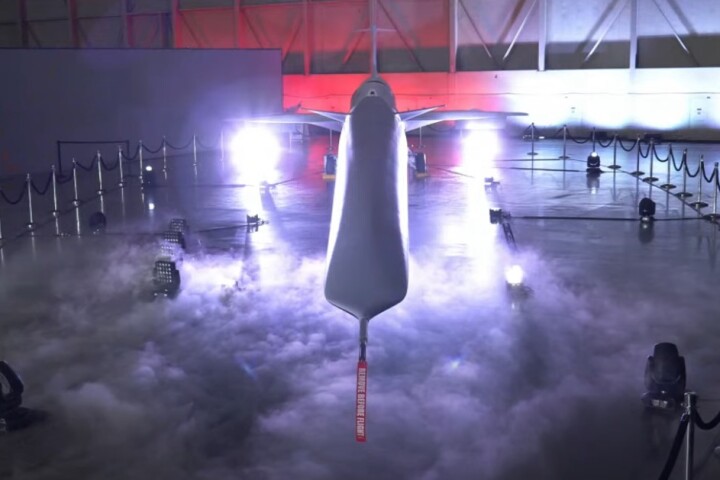 With the usual ballyhoo, NASA and Lockheed Martin have rolled out the X-59 supersonic aircraft today. In a ceremony at the famous Skunk Works in Palmdale, California, the experimental plane was introduced to the public before a party of dignitaries.
 -
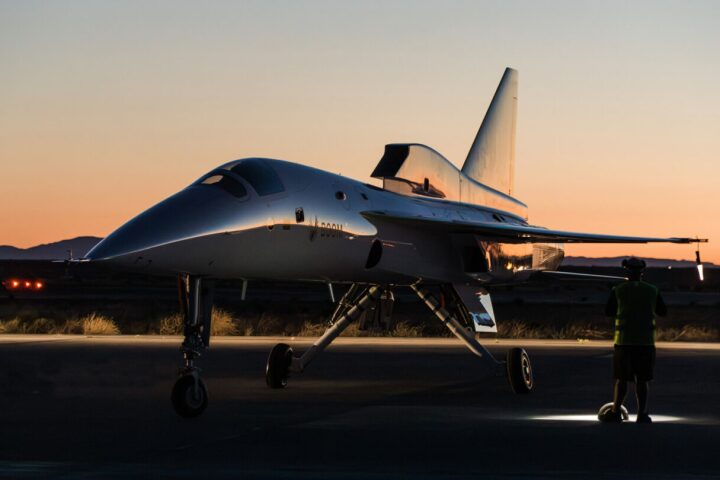 After a 20-year hiatus, the return of commercial supersonic flight is another step closer after Boom Supersonic announced that its prototype faster-than-sound jet has undergone ground tests and won an experimental airworthiness certificate from the US FAA.
 -
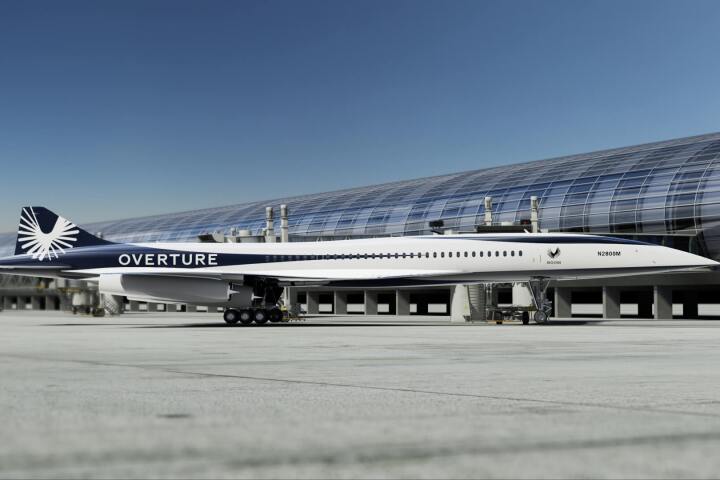 At this year's Paris Air Show, Boom Supersonic announced a raft of new supplier agreements that reveal technical specifications for the company's planned Overture supersonic commercial airliner and its custom Symphony engine.
 -
 Meet the X-66A, NASA's Sustainable Flight Demonstrator full-scale single-aisle research plane, featuring transonic truss-braced wings and designed to explore net-zero aviation emissions and more economical passenger flight near the speed of sound.
 -
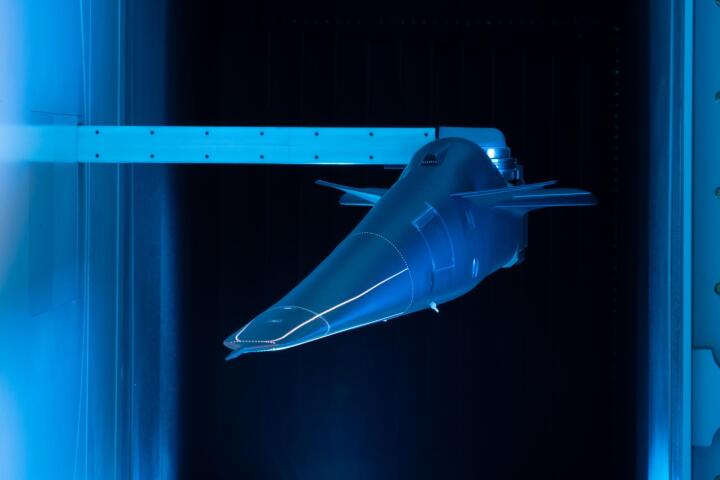 NASA this week marked the 50th anniversary of the total ban of civilian supersonic flights over the US. The milestone comes as the agency continues development of the X-59 experimental supersonic aircraft intended to reintroduce civilian Mach+ service.
 -
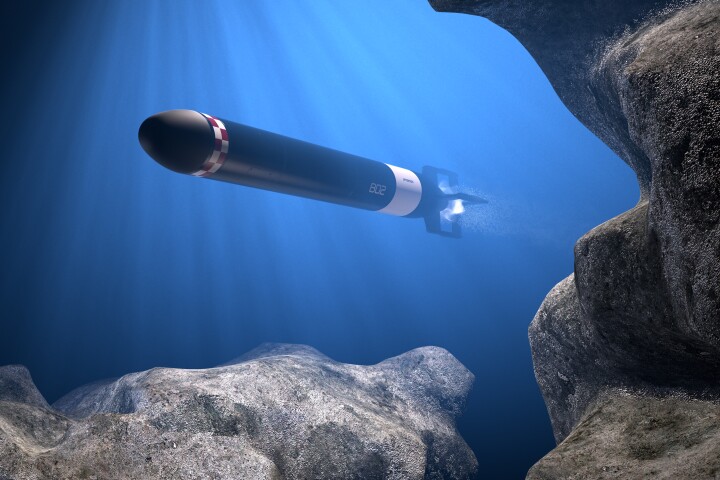 This remarkable anti-ship weapon would run an innovative boron-powered ramjet engine that works in both air and water. Supersonic in the air and supercavitating under the water, it could strike farther and faster than any conventional torpedo.
 -
 The future of civilian commercial supersonic travel looks a bit firmer today after American Airlines and Boom Supersonic signed an agreement for the airline to put down a non-returnable deposit towards the purchase of 20 Overture supersonic aircraft.
 -
 Military variants of a civilian supersonic airliner are already on the cards after Northrop Grumman and Boom Supersonic signed an agreement at the Farnborough Air Show to develop special quick-reaction mission variants of Boom’s Overture aircraft.
Load More