
Sun
-
 The solar wind is constant in the solar system – except on Christmas Day 2022 when it suddenly vanished completely. The event was detected by a NASA spacecraft orbiting Mars, which found that the Red Planet’s magnetosphere tripled in size in response.
 -
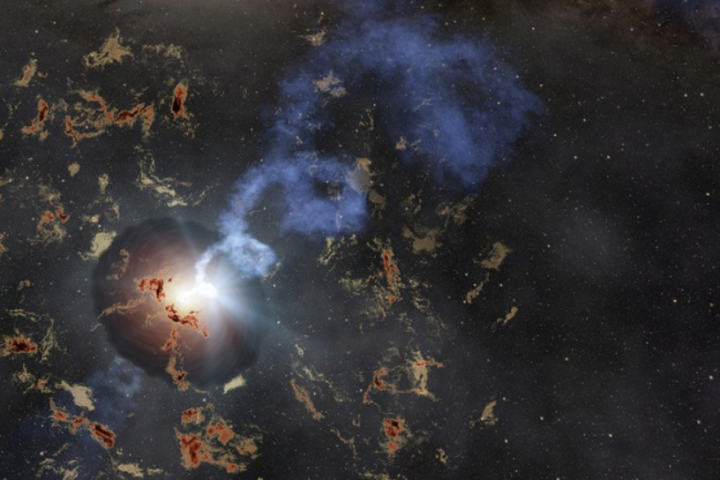 Astronomers have witnessed a phenomenon never seen before, a luminous fast blue optical transient (LFBOT) emitting more energy than hundreds of billions of stars the size of the Sun. Dubbed the Tasmanian Devil, it threw out energetic flares for months.
 -
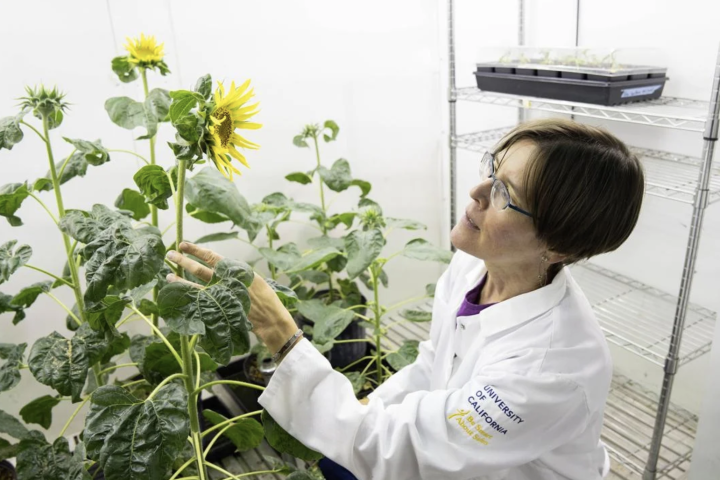 The way a sunflower bends to follow the Sun across the sky each day can be quite dramatic. Now, scientists have uncovered something equally dramatic: it does it through unique genetic transcription, which rewrites what we know about its special Sun dance.
 -
 Our Sun is capable of terrifying outbursts – and now scientists have discovered evidence of its biggest tantrum on record. Tree rings dating back 14,000 years contain a radiocarbon spike twice as powerful as the previous biggest known solar storm.
 -
 Lifestyle interventions to treat or prevent type 2 diabetes and obesity are not the easiest changes. Now, a study suggests that a prescribed period of natural light during the day could significantly improve health markers, with little effort required.
 -
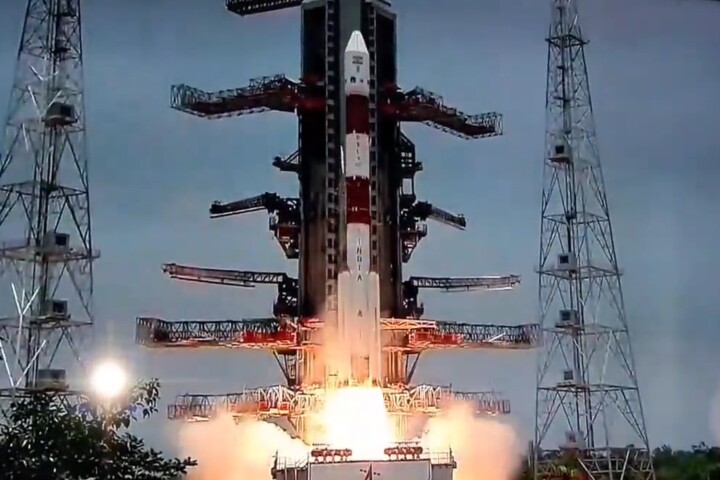 India is furthering its bid to become a major spacefaring power. The launch of its first mission to the Sun comes just as it winds down its first successful robotic Moon landing, with the Pragyan lunar rover completing its work and going into sleep mode.
 -
 Solar wind – charged particles from the Sun – pervades our solar system, but the exact mechanism behind it remains murky. Now ESA’s Solar Orbiter spacecraft has observed previously unknown tiny flares on the Sun’s surface spewing plasma into space.
 -
 Scientists have discovered that the Sun produces higher energy light than was thought possible. An unusual type of telescope detected gamma rays with energies of over 1 tera electron volt, at least five times more energetic than previously known.
 -
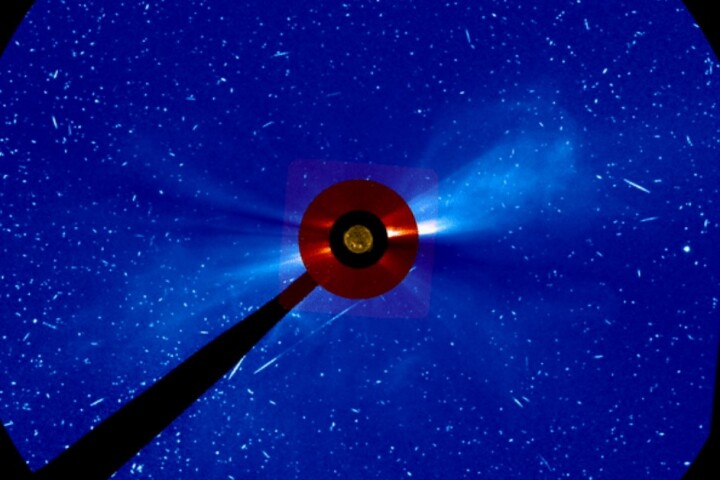 In a scary first, scientists have discovered a 2021 solar eruption so large that it was, for the first time, detected simultaneously on Earth, the Moon, and Mars, highlighting the radiation dangers posed by such events to deep space travelers.
 -
 If you’ve ever felt like you need more hours in the day, well how does 60 sound? A new study suggests we’d have 60-hour days by now if a stalemate between the Sun and Moon hadn’t interfered with Earth’s rotation for over a billion years.
 -
 Radioactive isotopes found in meteorites suggest a supernova went off right near the Sun as it was forming – but that should have blasted the young solar system away. So how did we survive? A new study proposes an explanation.
 -
 The annual Astronomy Photographer of the Year competition highlights the beauty of the night sky. The shortlist for 2023 has now been published, starring some stunning shots of the Sun, our majestic Milky Way, and awe-inspiring aurorae.
Load More